
Vegetable planting
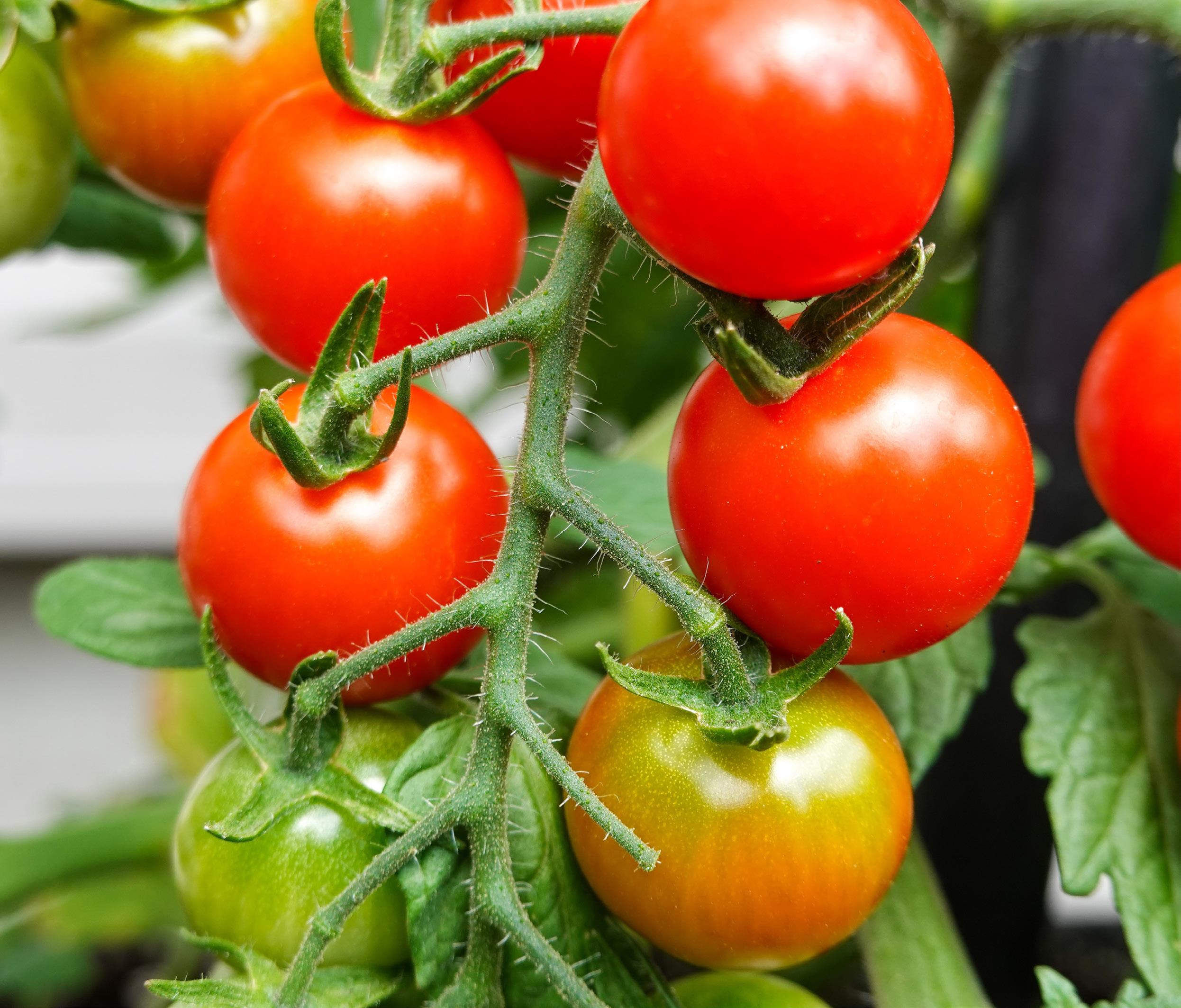
Vegetable planting guide Part 8: Tomatoes
Everybody knows tomatoes. Tomatoes are normally big, round, edible, pulpy berries that are often red in colour but may also be yellow, orange, green, or purple. Tomatoes can vary in size and shape depending on the specific species. They can be eaten raw in salads, or cooked as a[...]

Vegetable planting guide Part 9: Sunflowers
The sunflower, Helianthus annus L., is one of the few crop species that can be traced back to North America, despite reports that it originated in the Fertile Crescent, Asia, or in South or Central America. Most likely, it was used as a "camp flower" by several western Native[...]
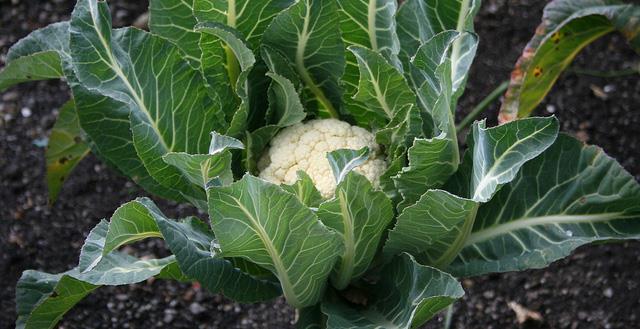
Vegetable planting guide – Part 6: Cauliflower
Cauliflower is a versatile vegetable. Crunchy and mild, it works as both a supplement and a substitute for many dishes. Growing cauliflower is very similar to growing cabbage. Nevertheless, some important points need to be considered to ensure successful production of cauliflower. Origin and distribution Cauliflower, Brassica oleracea var.[...]

Vegetable planting guide part 2: Growing cabbage
Whether you are a commercial vegetable farmer, subsistence farmer, emerging farmer, or just an avid gardener who wants to learn to grow his own vegetables, there are certain important guidelines that you need to follow to grow your veggies successfully. In the previous article, we discussed the proper cultivation[...]