
Kenya
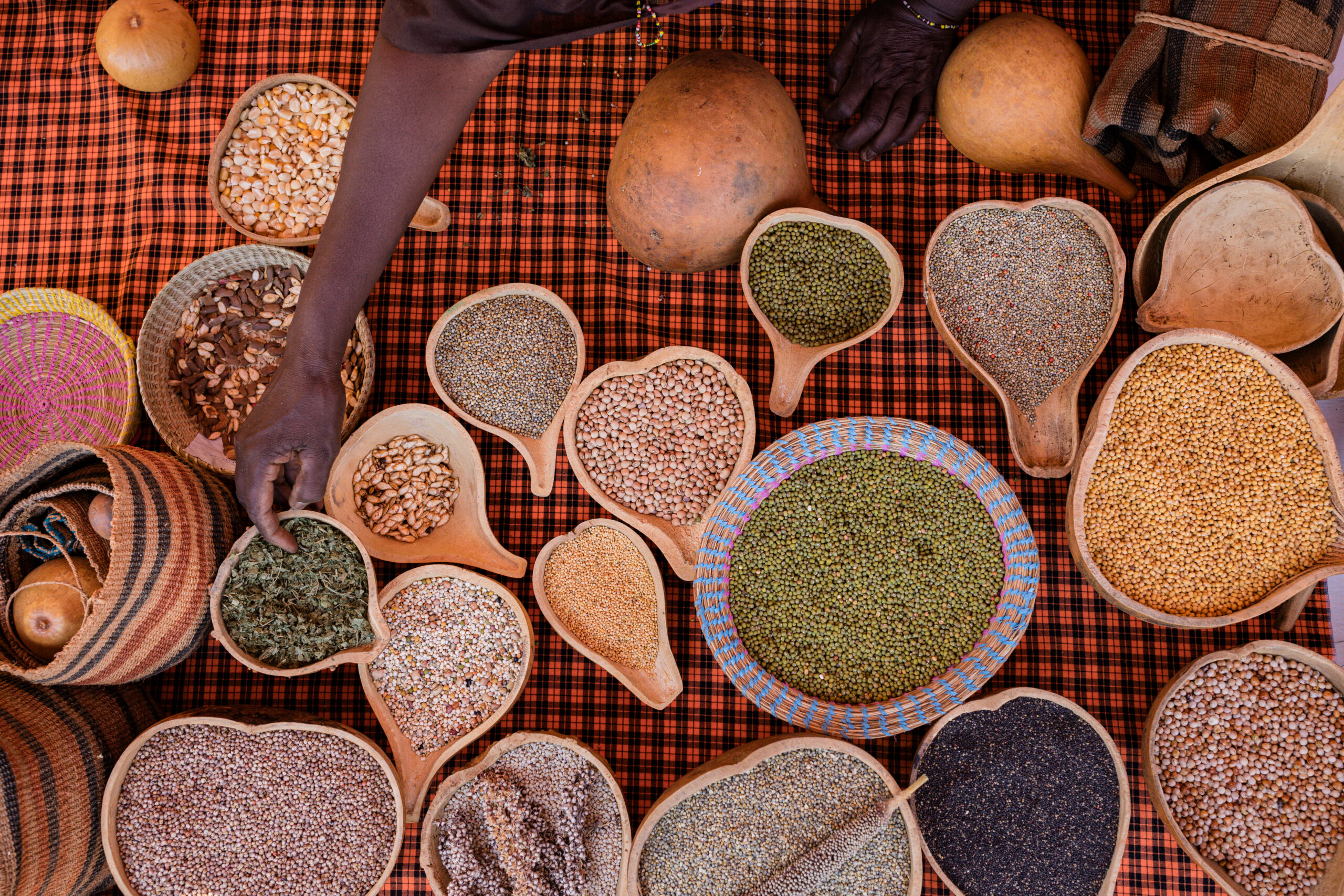
Spice Farming in Kenya: Small crops with big opportunities
From the fragrant cloves of the Coast to the golden turmeric grown in fertile highlands, Kenya’s diverse climate offers farmers an opportunity to turn everyday kitchen ingredients into valuable agricultural commodities. When most people think of farming in Kenya, crops such as maize, tea, coffee and vegetables usually come[...]

Agroforestry in Kenya part 8.5: Agroforestry systems in arid and semi-arid lands
In the previous two articles we focused on agroforestry in humid highlands and humid lowlands. The arid and semi-arid areas (ASALs), however, cover the largest part or 80% of the total land in the country. These areas include the lower eastern counties, northeastern counties, part of the north, the[...]

Agroforestry in Kenya part 8.4: Agroforestry systems in humid lowlands
In the previous article we looked at the different agroforestry systems used in the humid highlands. In this issue, we consider the systems suitable for humid lowlands. The humid lowland zone covers areas with an altitude ranging between 900 and 1 800 m above sea level and an annual rainfall[...]

Agroforestry in Kenya 8:3: Agroforestry practices in different regions
Agroforestry, as we have learned from the two previous articles, is a dynamic, ecologically based, natural resource management system that, through the integration of trees in farm- and rangeland, diversifies and sustains smallholder production for increased social, economic, and environmental benefits. Agroforestry seeks to optimise the interaction between woody[...]

Agroforestry part 9: Kenya -The impact of agroforestry
The introduction to agroforestry in the previous article explained the broad principles of this agriculture system. • In this article, we look at the value of the systems with regard to the improvement of land and biodiversity; • food and nutritional security; • income and livelihood improvement; • ecosystem[...]