Spice Farming in Kenya: Small crops with big opportunities
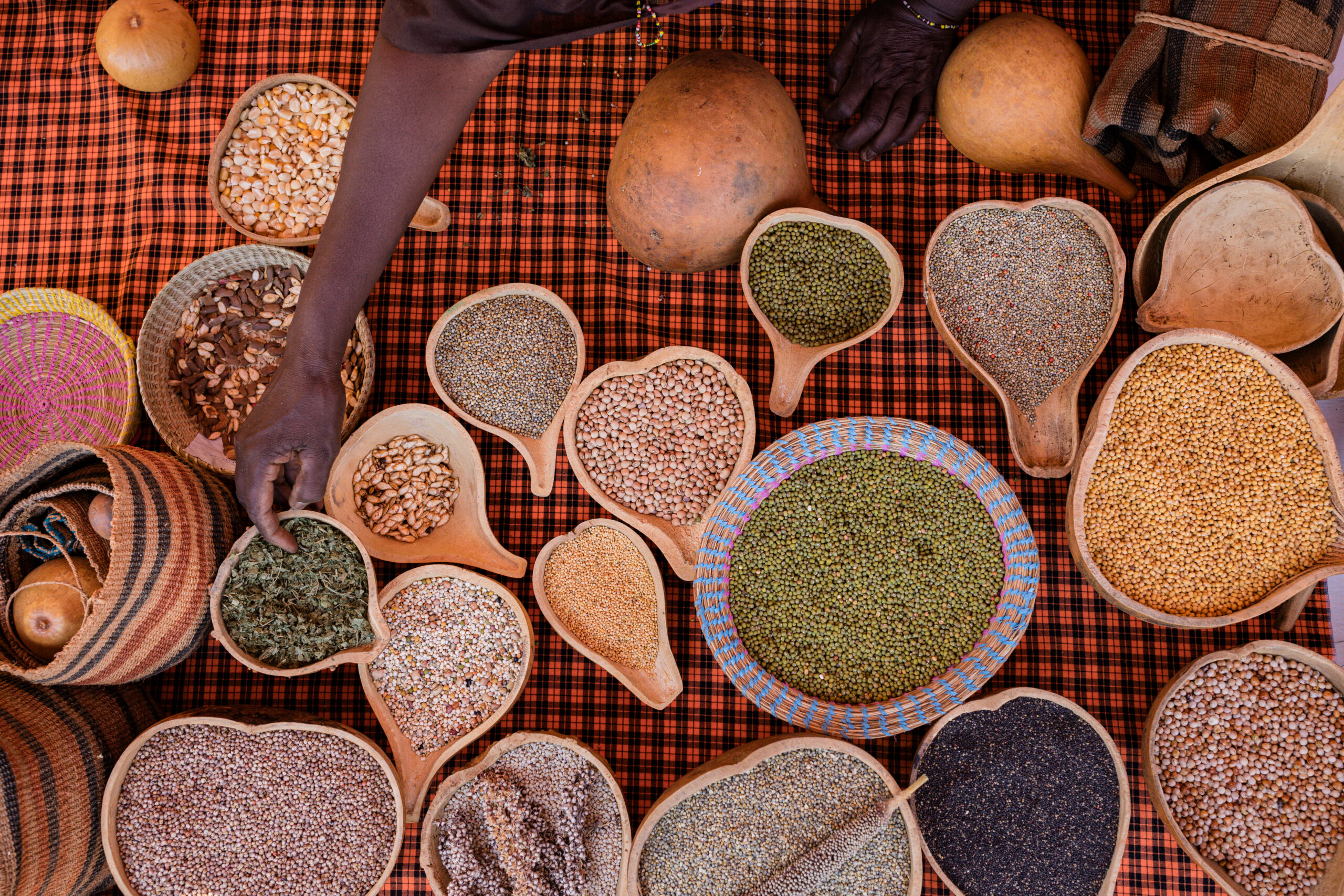
Ura Gate Cultural Festival Kenya Indigenous Drums Traditional Dances Heritage Tharaka Nithi County
From the fragrant cloves of the Coast to the golden turmeric grown in fertile highlands, Kenya’s diverse climate offers farmers an opportunity to turn everyday kitchen ingredients into valuable agricultural commodities.
When most people think of farming in Kenya, crops such as maize, tea, coffee and vegetables usually come to mind. Yet, tucked away in the country’s fertile fields and tropical landscapes is another agricultural opportunity that deserves attention: spice farming.
Spices may be used in relatively small quantities, but their value extends far beyond the kitchen. For Kenyan farmers looking to diversify their operations, spice cultivation creates the opportunity to make productive use of smaller pieces of land while exploring local and international markets.
Why spices deserve a place on Kenyan farms
One of the greatest advantages of spice farming is the potential to produce high-value crops on relatively small areas of land. Unlike some traditional field crops, spices can generate considerable value per kilogram, particularly when they are properly harvested, processed and marketed. Demand comes from households, supermarkets, restaurants, hotels, bakeries, food processors and manufacturers of herbal and cosmetic products. Certain spices also offer export opportunities, provided farmers can meet the required quality and food safety standards.
Another advantage is that many spices can be dried and stored, giving farmers greater flexibility when deciding when and where to sell their produce. This is particularly useful in markets where fresh produce prices fluctuate, or transport to buyers is difficult. However, not all spices have the same growing requirements. While some thrive in hot, humid conditions, others prefer cooler temperatures, partial shade or well-drained soils. Choosing the right crop for the right environment is therefore essential.
From cloves to cardamom: What can Kenyan farmers grow?
Kenya’s varied growing conditions make it possible to cultivate a surprisingly wide range of spices. Some are already familiar to local farmers, while others remain niche crops with potential for specialised markets.
Cloves: A long-term investment
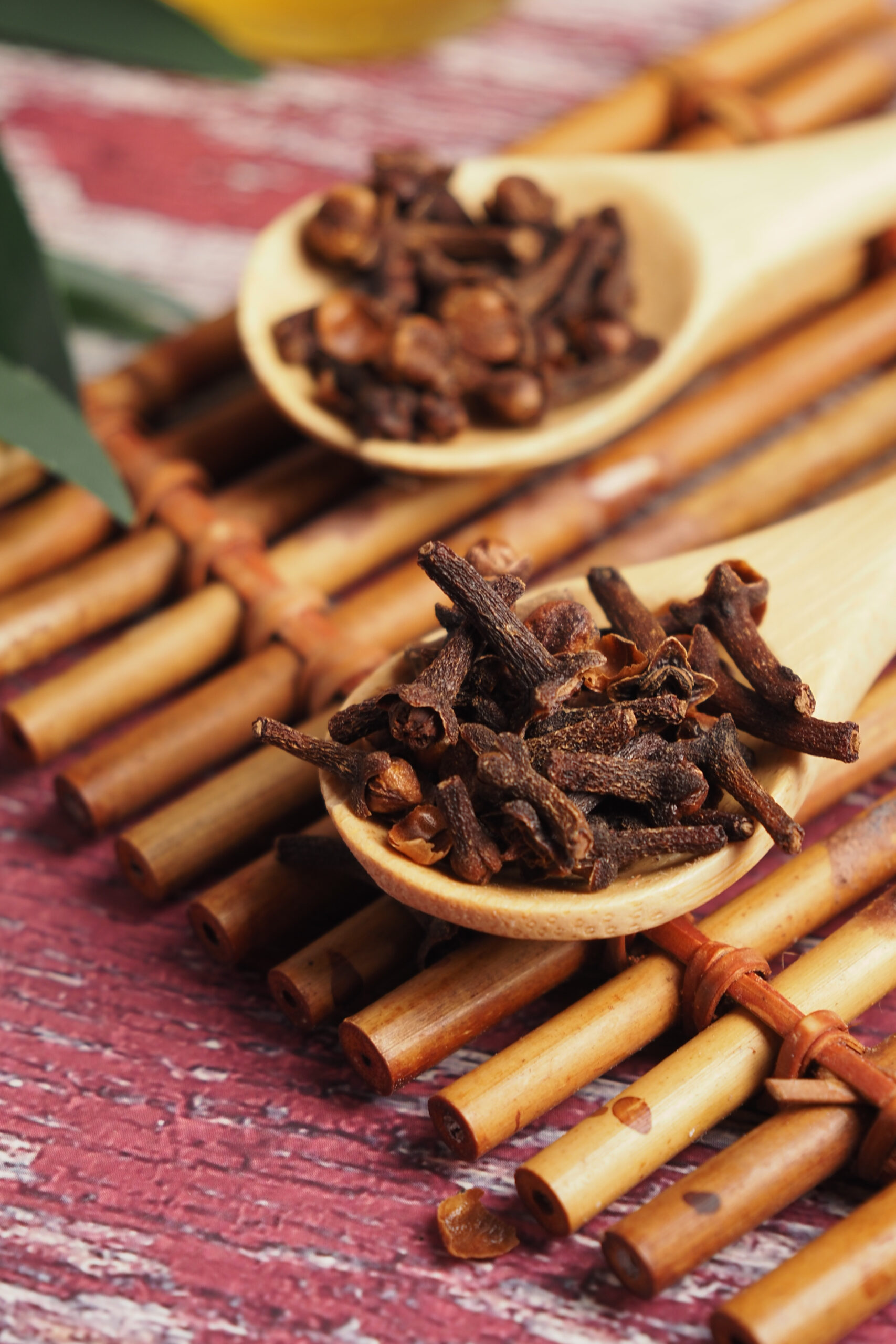
Cloves are particularly suited to the warm, humid conditions found along Kenya’s coastal belt. The spice is produced from the unopened flower buds of the clove tree. These buds are harvested before flowering and carefully dried until they develop their characteristic dark brown colour and strong aroma. Clove trees take time to establish, but once productive, they can continue yielding for decades. This makes them a potential long-term investment for farmers with suitable land. Cloves are used in cooking, baking, beverages and essential oil production, with quality and oil content playing an important role in their market value.
Cinnamon: More than a baking ingredient
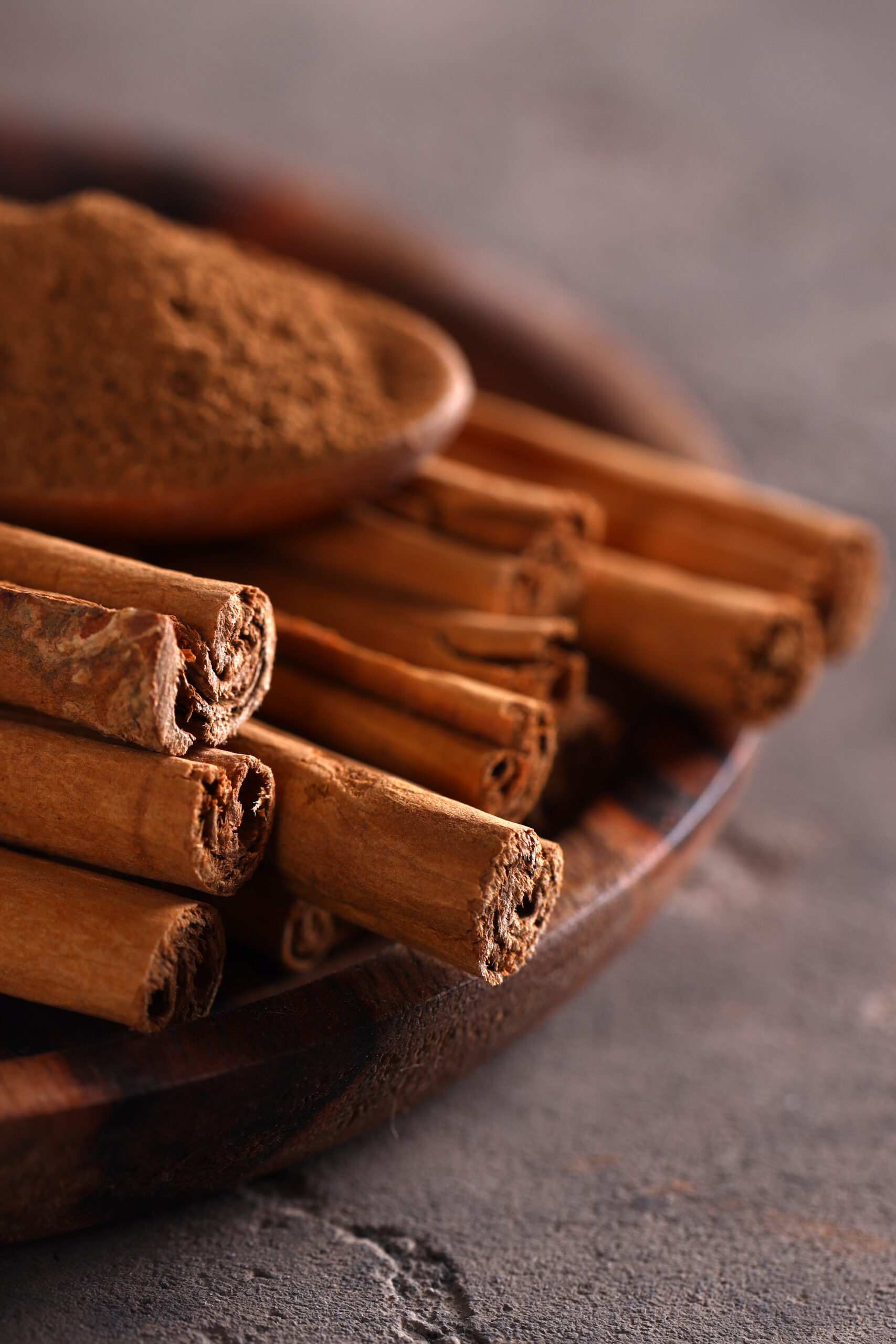
Cinnamon is obtained from the inner bark of certain tropical tree species. It requires favourable moisture conditions and fertile, well-drained soil. During harvesting, bark is removed from suitable young shoots and dried to form the familiar curled cinnamon sticks. It can also be ground into powder for sale to food processors, spice retailers and households. Although cinnamon is not among Kenya’s most widely cultivated crops, it offers opportunities for farmers who are interested in supplying bakeries, tea manufacturers and speciality food markets.
Black pepper: A climbing opportunity
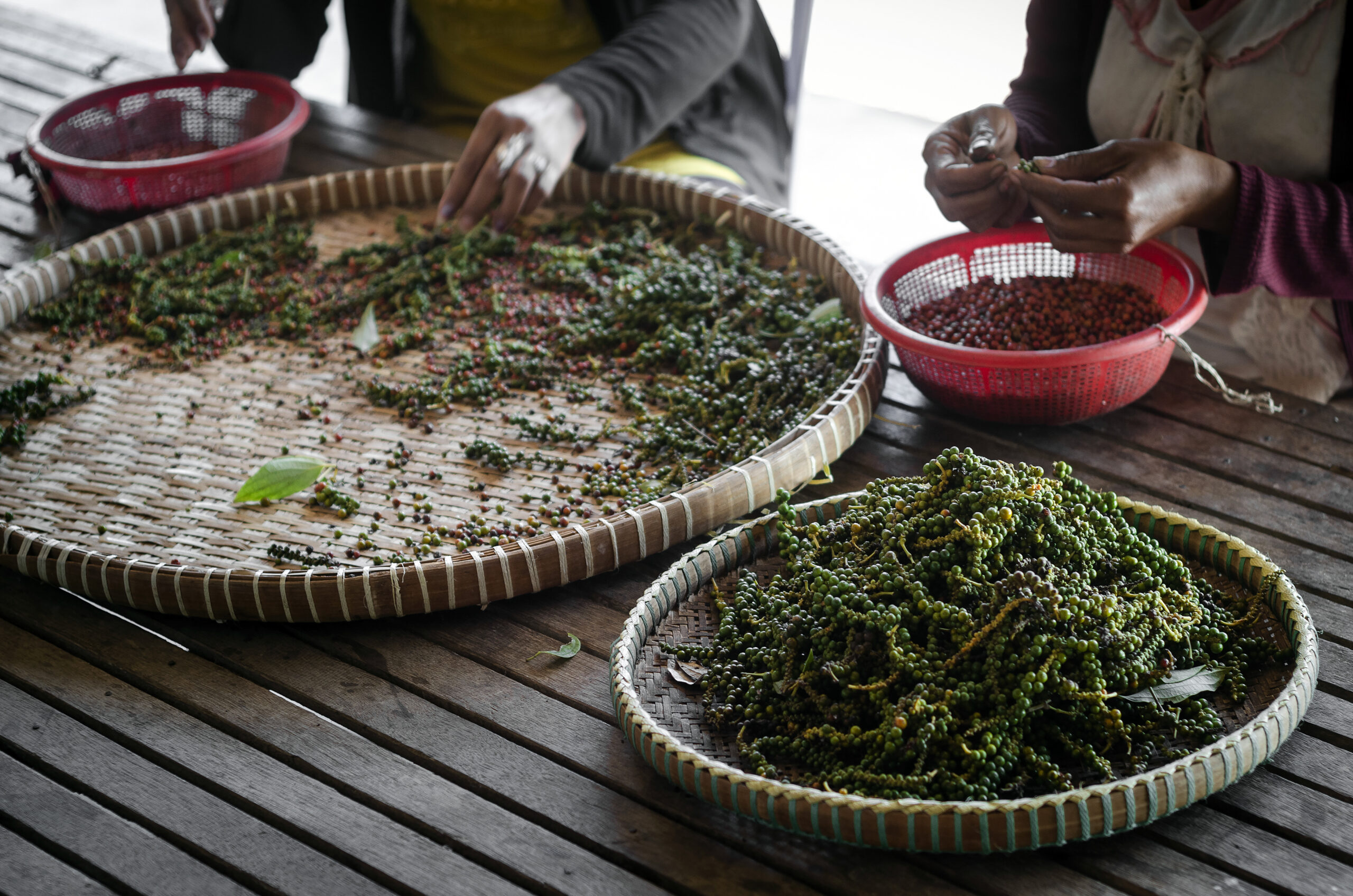
Black pepper is one of the world’s most widely traded spices and can be cultivated in Kenya’s warmer, humid growing regions. Unlike many field crops, black pepper grows as a climbing vine and requires support from poles or suitable trees. It performs best in fertile, well-drained soils with sufficient moisture. The berries are harvested while still green and dried until they turn black, developing the appearance and flavour associated with black pepper. For farmers with established orchards, pepper vines may offer an opportunity to make additional use of existing growing space, provided suitable support and management are available.
Cardamom: The queen of spices
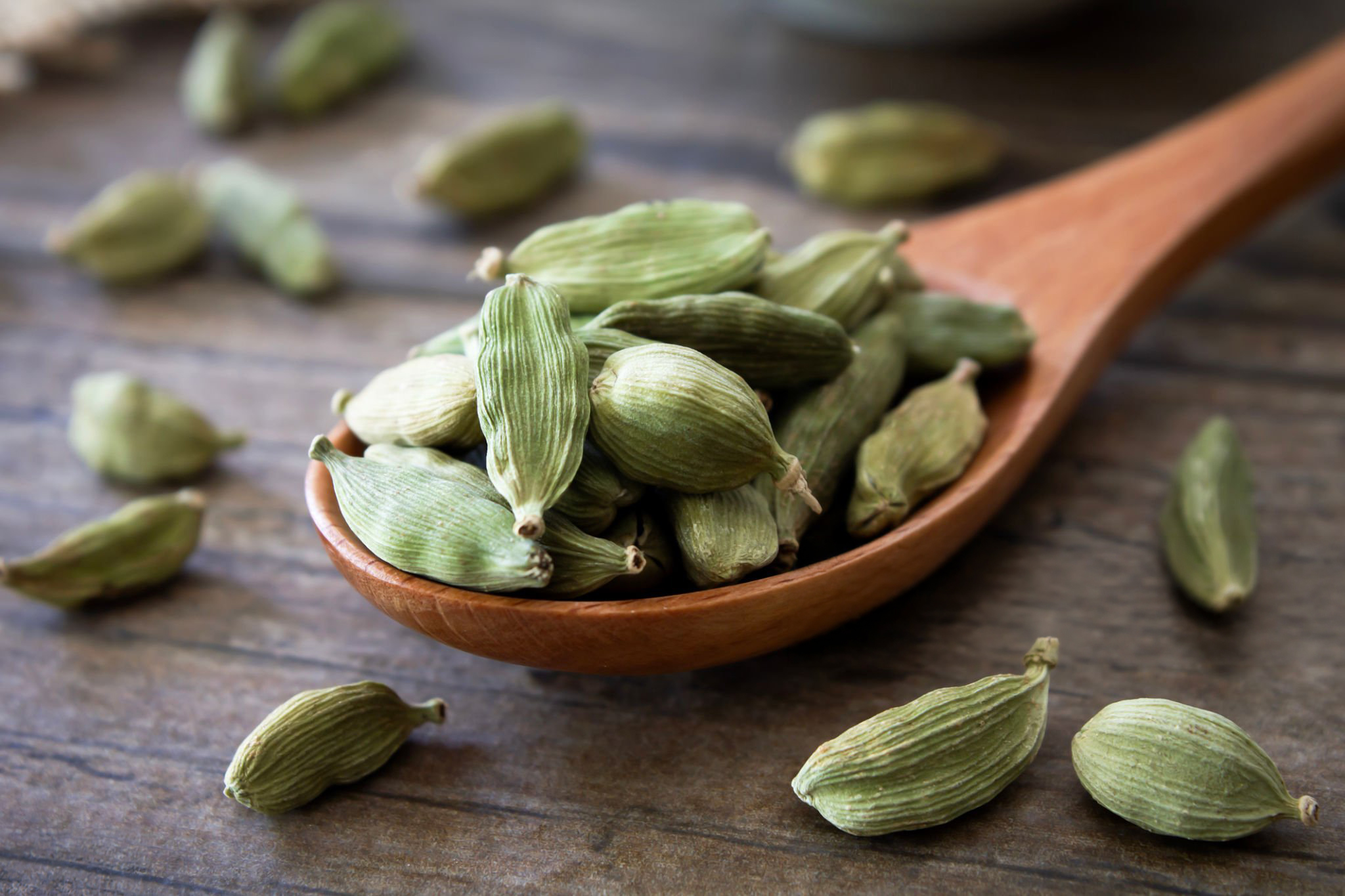
Known for its distinctive fragrance, cardamom is a valuable spice used in tea, coffee, baked goods and desserts. The crop prefers humid conditions, partial shade and sufficient moisture, making selected high-rainfall areas of Kenya potentially suitable. Cardamom is harvested for its seed pods, which must be picked at the correct stage of maturity before they split open naturally. Because it requires careful management and harvesting, cardamom is better suited to farmers who understand its production requirements and have identified a reliable market.
Ginger and turmeric:Underground treasures
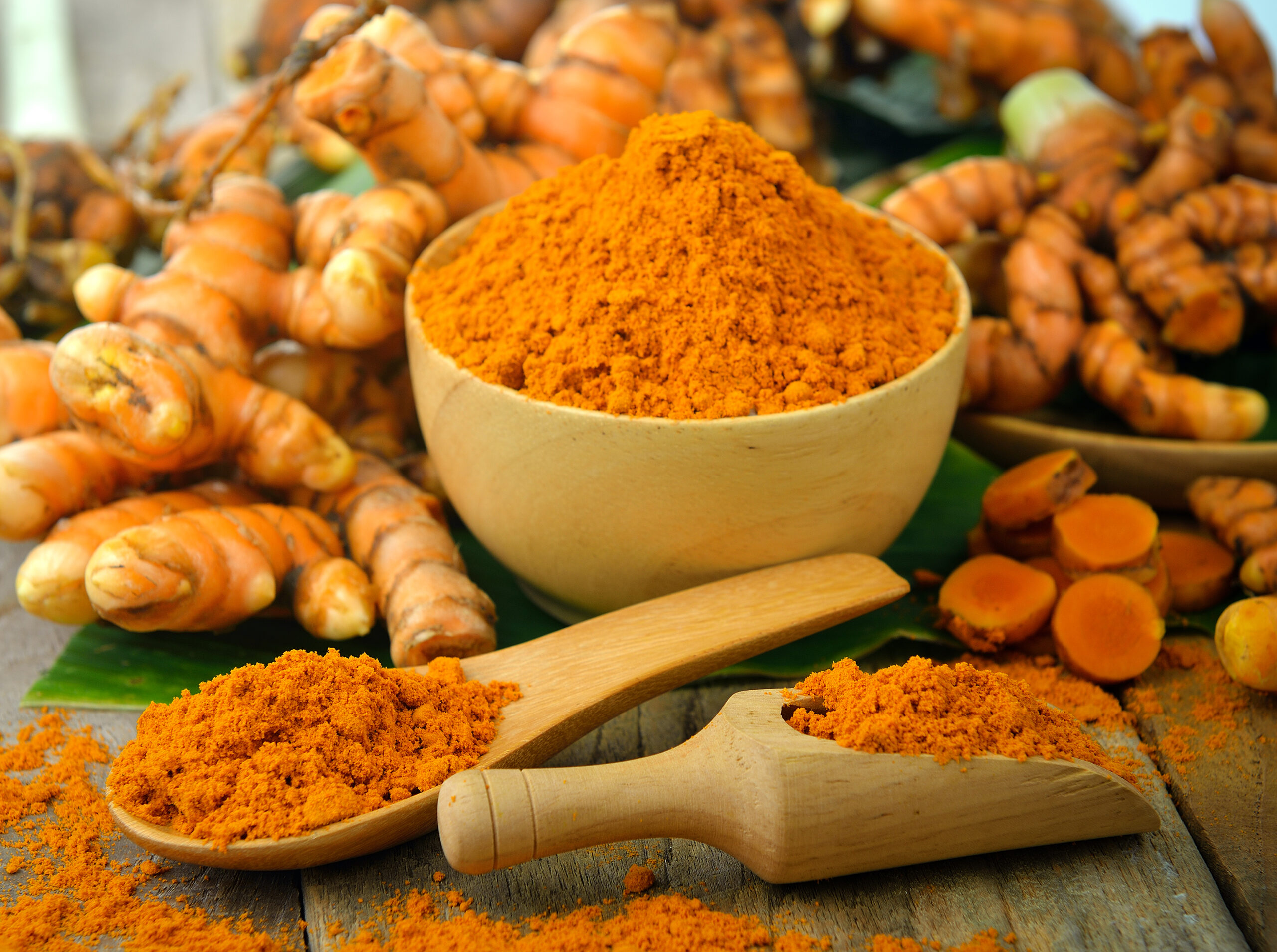
Two of the more familiar spice crops are ginger and turmeric. Both belong to the same botanical family and are cultivated for their underground rhizomes. Ginger grows well in fertile, well-drained soil with adequate moisture. It can be marketed fresh or processed into dried slices, powder and other food products.
Turmeric, recognised by its bright yellow-orange colour, is similarly suited to warm growing conditions with reliable moisture. After harvesting, the rhizomes can be processed and dried before being ground into powder. Both crops offer opportunities for farmers interested in supplying fresh produce markets, spice processors and manufacturers of teas and other products. Their somewhat shorter production cycles, compared with perennial spice trees, may also appeal to farmers seeking a quicker return on their investment.
Coriander and cumin: Small seeds, steady markets
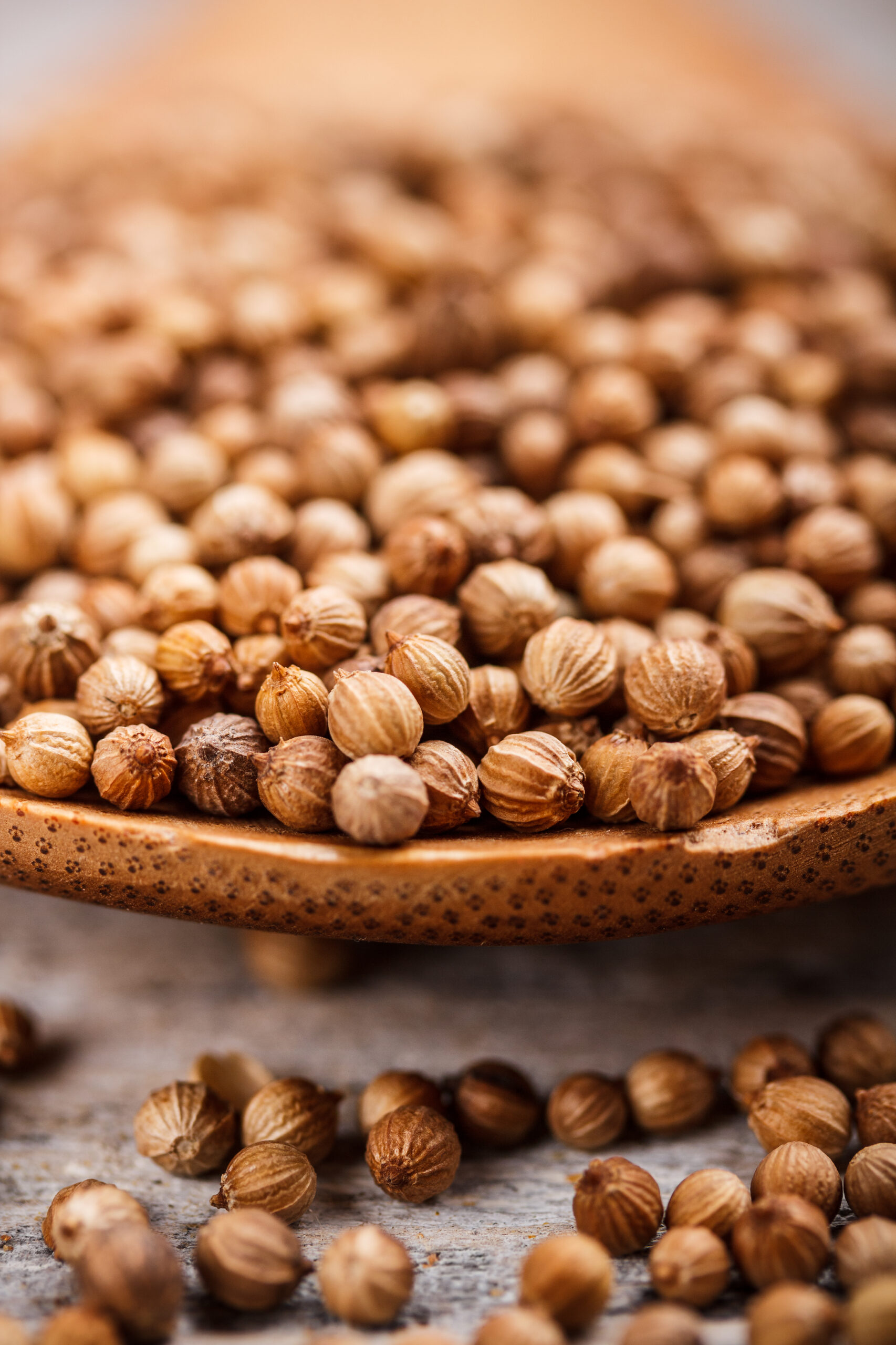
Coriander is already widely recognised in Kenya, where its fresh leaves are commonly known as dhania. However, the plant offers another marketable product: its dried seeds. When allowed to mature, coriander produces seeds used in curry powders, pickles, sauces and spice blends. Cumin is another seed spice with potential, although it is less commonly cultivated. Its seeds are widely used in curries, meat dishes and processed foods. These crops may suit farmers looking to diversify their production with shorter-season crops, provided local growing conditions are appropriate.
Nutmeg and vanilla: Speciality crops with potential
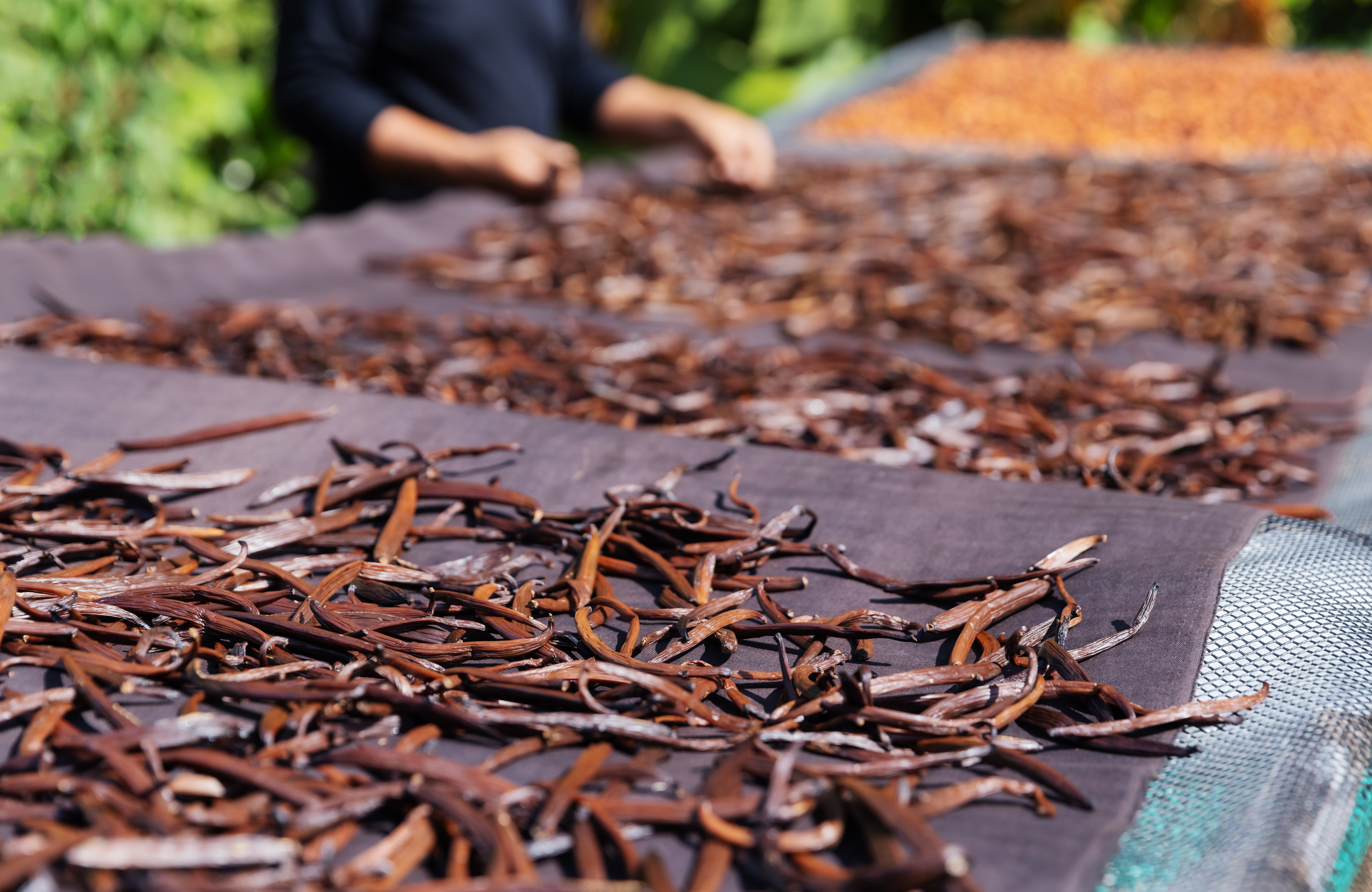
Nutmeg and vanilla represent more specialised opportunities for Kenyan growers. Nutmeg trees thrive in warm, humid environments and produce two valuable spices: nutmeg, obtained from the seed, and mace, obtained from the covering surrounding the seed.
Vanilla, on the other hand, is a climbing orchid that requires shade, support structures and intensive management.
Vanilla flowers often need to be pollinated by hand, while harvested pods must undergo a carefully controlled curing process to develop their characteristic aroma. Although these crops can command attractive prices, they also require considerable expertise, labour and patience. Farmers should carefully assess production costs and market access before investing.
Other opportunities worth exploring
Beyond traditional spices, Kenyan farmers can explore culinary and aromatic crops such as basil, rosemary, thyme, lemongrass, fennel and curry leaves. Some of these plants can be harvested repeatedly once established and sold fresh, dried or processed. Crops such as hibiscus, chamomile and stevia also offer opportunities in herbal teas, beverages and specialised food products, although they are more accurately classified as herbs or speciality crops rather than conventional spices.
Where do spices grow best in Kenya?
• The warm and humid Coast region offers suitable conditions for tropical crops such as cloves, cinnamon, black pepper, nutmeg and vanilla.
• Central Kenya, with its fertile agricultural areas and varying elevations, offers opportunities for ginger, turmeric and coriander, depending on local temperatures and moisture availability.
• Western Kenya and other high-rainfall regions may support crops such as cardamom, ginger, turmeric and black pepper where the required growing conditions can be met.
• Meanwhile, suitable parts of Eastern Kenya, the Rift Valley lowlands and irrigated production areas may provide opportunities for selected herbs and shorter-season spice crops.
However, farmers should not select a crop based on the region alone. Rainfall distribution, soil drainage, temperature, altitude and access to irrigation all influence production.
Getting started: From planting to harvesting
As with any agricultural enterprise, successful spice farming begins long before the first seed is planted. Farmers should first identify a crop suited to their land and determine whether there is sufficient demand for the final product. Soil preparation is particularly important. Many spice crops perform best in fertile, well-drained soils enriched with organic matter. Quality planting material is equally essential. Farmers should obtain healthy seeds, seedlings, cuttings or rhizomes from reliable suppliers to reduce the risk of poor establishment and disease. Once planted, crops require appropriate spacing, weed management, moisture control and regular monitoring for pests and diseases.
Mulching can help conserve soil moisture, while crop rotation and good field hygiene can reduce disease pressure in suitable annual cropping systems. Harvesting practices differ considerably between crops. Coriander is harvested for its mature seeds, cloves for their unopened flower buds, ginger and turmeric for their rhizomes, and cinnamon for its bark. Understanding these differences is important because harvesting at the wrong stage can reduce quality and market value.
Adding value beyond the farm gate
Processing can transform an agricultural product into a branded commodity with a longer shelf life and access to a wider range of buyers. Ginger can be dried and ground into powder, turmeric can be processed into packaged spice products, and coriander seeds can be cleaned, graded and sold to spice manufacturers. Other possibilities include spice blends, dried culinary herbs, speciality teas and products for essential oil extraction.
However, processing must be carried out under hygienic conditions. Proper drying, moisture control, clean storage and suitable packaging are necessary to protect products against mould, contamination and deterioration. Farmers targeting supermarkets, food manufacturers or export markets must also understand the applicable food safety, labelling and quality requirements.
Finding the right market
A successful spice crop is only profitable if there is a buyer willing to pay a sustainable price. In Kenya, potential buyers include local produce markets, supermarkets, grocery stores, hotels, restaurants, catering businesses, food processors and speciality retailers.
For larger producers, exporters and contract buyers can provide access to regional and international markets, although these channels often require consistent volumes, traceability and strict product specifications. Smaller farmers may benefit from direct marketing through online platforms, social media, local retailers and established relationships with restaurants. Rather than waiting until harvest to find customers, farmers should investigate market requirements before planting.
Is spice farming profitable?
Spice farming offers attractive income potential, particularly where farmers produce high-quality crops for established markets. Some spices mature within a single growing season, while perennial crops such as cloves, cinnamon and nutmeg require a longer investment period before meaningful harvests can be expected. Profitability therefore varies significantly according to the crop, yield, input costs, labour requirements, processing methods and selling price.
Although spices can generate more value per kilogram than many staple crops, this does not automatically mean they will deliver greater profit per hectare. Farmers should develop realistic production budgets and, where possible, begin with a manageable planting area before expanding.
A fragrant future for Kenyan agriculture
With suitable growing conditions, careful crop selection and access to reliable markets, spice cultivation can provide farmers with an additional income stream while encouraging diversification. The opportunity extends beyond growing and harvesting. Processing, packaging, branding and direct marketing can help producers capture more value from their crops. The secret to success, however, is not simply choosing the most expensive spice on the shelf. It lies in understanding the land, producing consistent quality and growing what the market is prepared to buy.
References
Beyond Forest. Spices farming in Kenya: Complete guide to profitable spice crops & export markets. Available at: https://www.beyondforest.org/post/spices-farming-in-kenya-full-guide
Newleaf Seedlings. Different spices grown in Kenya and the farming opportunities many growers overlook. Available at: https://newleafseedlings.co.ke/different-spices-grown-in-kenya-and-the-farming-opportunities-many-growers-overlook/
Seed Farm. Why Kenyan coastal farmers are investing in cloves: Practical 2026 guide to this high-value spice production. Available at: https://seedfarm.co.ke/2026/03/28/clove-farming-practical-2026-guide/
Related Posts