The role of temperature management in broiler production

tiger f1
Temperature plays a vital role in broiler production. The broiler bird will not perform to its full genetic potential if it is not provided with the correct temperature, whether during brooding or in the older stage.
The main objective of temperature management is to provide a comfortable and healthy environment for growing birds in an efficient and cost-effective way. Failure to provide a conducive environment during rearing will reduce profitability, resulting in reduced growth and development, poor feed conversion and increased disease, condemnation and mortality.
During brooding
This happens in the first two to three weeks of your production. Temperatures must be regulated so as to provide an optimum environment for the chicks. During this stage, chicks are poor at regulating their body temperature and therefore require an external heat source. If the house temperatures are low, the chicks become chilled and stressed.
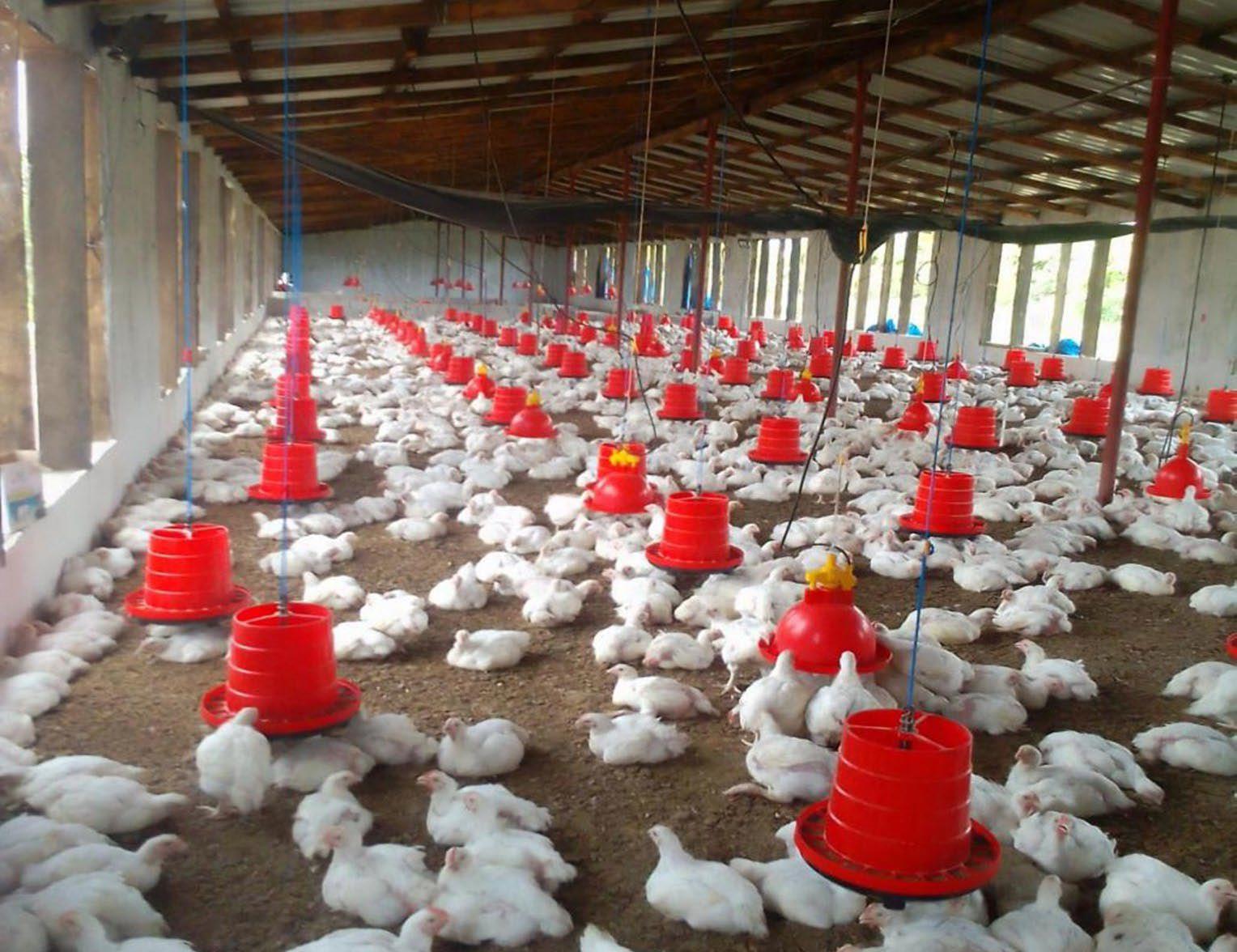
If the environment is too hot, they become inactive and will spend most of the time lying down. Use a thermometer while observing chick behavior to ensure that the temperature is kept within the chicks’ thermal comfort zone. When chicks huddle together near a heat source, then the temperature is too low and therefore you should provide more heat.
If they stay far away from the heat source or move to the extremities of the room, then the pen is too hot. In this instance, reduce the heat and open the curtains to allow more cool air in. Chicks that are within their thermal comfort zone are spread out all over the pen, eating, drinking, sleeping and playing!
Regulating brooding temperature
During brooding, temperatures are kept optimum by providing heating by way of, among others, infrared bulbs, gas burners and braziers. Follow the recommended daily temperature to maintain consistent heat and reduce temperature fluctuations in the brooder.
Regulate the pen temperature by balancing temperature and ventilation. Too much ventilation will cause the temperature to drop, while poor ventilation may result in increased temperatures within the pen. Balance the two to get the right temperature when dealing with either chicks or older birds.
Open curtains covering the windows from top to bottom and not from bottom to top. This will ensure a clear outlet for waste gases (such as carbon dioxide, ammonia and carbon monoxide) and a good inlet for fresh air. This is important because warm waste air will always rise to the top and find its way out through the opening at the top of the window. Then the cool oxygen-rich air entering the pen from the top warms up as its moving downward, reaching the chicks at just the right temperature.
Effects of low temperatures during brooding
•Low feed and water intake translates into poor growth and development of chicks.
•Chilled chicks have a suppressed immunity, making them more susceptible to diseases, leading to high first-week mortality.
•High mortality can occur when chicks huddle together, crushing one another.
•If chicks don’t eat or drink because they are chilled and uncomfortable, they will not digest feed and hence will not benefit from the heat produced during the digestion process.
•The digestive tract is not stimulated; hence, its development is poor, resulting in poor growth rates and low weights.
•The chicks will not take up the carbohydrates they require to absorb the residual yolk sac quickly. If the yolk sac remains unabsorbed, it increases the risk of navel yolk sac infections (such as Omphalitis), which will result in increased mortality in the first week.
•The yolk sac has maternal antibodies that the chicks benefit from once they absorb it. If it is not absorbed, the chicks will not get the full benefit of the maternal antibodies, resulting in poor health and increased mortality.
Temperature management in older birds
Temperature management in older birds is also critical. Once birds get older, their body temperature ranges between 40 and 44 °C . The appropriate temperature in the house is between 13 and 25 °C. The birds are constantly losing heat to their environment.
In order to keep them comfortable, provide a balance between their body temperature and the house temperature. If the house temperature is lower than the body temperature, the chickens will lose body heat and become cooler. When kept in a hot, poorly ventilated pen, the birds may overheat and suffer heat stroke. We need to keep them cool with lots of fresh air and good quality oxygen.


This can be achieved by the following activities:
•Providing adequate ventilation – wide open windows on either side of the house.
•Using an appropriate stocking density with emphasis on environmental temperatures.
•If the pen becomes too cool, close some of the curtains to reduce drafts and help raise the temperature.
Results of poor heat regulation in older birds
•If they are not kept in a cool, well-ventilated pen, they may get heat stroke, which can result in heat stroke and death.
•The feather cover on older birds is more useful in heat retention and not heat loss when the ambient temperature is too high. This helps the birds cool off by providing a cooler environment.
•Overheated birds will drink more water to cool themselves at the expense of feed intake, resulting in delayed growth.
•If temperatures are too low, the birds will consume more feed, much of it being used to generate body heat through the digestive process.
•High temperatures resulting from poor ventilation will cause poor litter quality, leading to buildup of ammonia, an outbreak of diseases and skin lesions on the birds’ body.
For more information contact Rowena Blanco, Animal Nutritionist of Tiger Animal Feeds on (+260)977-991-847 or visit their website on www.tigerfeeds.com
Related Posts