Biosecurity First: APAC’s critical role in safeguarding Livestock Auctions

DSC02122
Vehicles transporting livestock drive through a disinfectant spray booth before offloading animals at the pens, a vital step in preventing the spread of disease and maintaining strict biosecurity standards.
Article written by: Roelof van Wyk from APAC
The Agricultural Produce Agents Council (APAC) continues to play an essential role in ensuring that South Africa’s livestock auctions remain ethical, efficient, and bio secure. In an environment where the agricultural sector faces ongoing challenges such as Foot-and-Mouth Disease (FMD), APAC’s regulatory oversight is now more crucial than ever.
The ProAgri team recently joined the APAC team during a visit to the André Kock & Seuns Auction Facility outside of Bela-Bela. The purpose was not merely observation but to gain an understanding of how APAC’s rules and inspections uphold integrity and safety within the livestock value chain.
The Registrar of APAC, Francois Knowles, explained the importance of the organisation’s presence at such facilities. Auctions are vital points in the livestock trade, and it is essential that they adhere to strict regulatory and biosecurity measures to protect farmers, buyers, and animals alike.

The Regulatory Foundation of Livestock Auctions
APAC’s mandate is to regulate the occupations of fresh produce, export, and livestock agents, safeguarding their professionalism and integrity. Under the Agricultural Produce Agents Act, Act 12 of 1992 (the Act), livestock agents must be registered with APAC and operate in accordance with the Rules in respect of Livestock Agents, including the Biosecurity Rules gazetted in November of 2020.
These rules establish minimum standards to identify and prevent disease transmission and promote responsible trading practices. Among the key requirements are that only registered livestock agents may conduct auctions; every auction facility must appoint a Biosecurity Practitioner registered with the South African Veterinary Council; the site must be divided into designated bio secure zones such as arrival, quarantine, and sale areas; accurate and auditable records must be maintained; and internal biosecurity audits must be submitted to APAC once a year.
Knowles emphasised that this system functions as a chain of trust. Every link in the process must uphold the same standard, as a single lapse can endanger the entire network of producers and buyers.
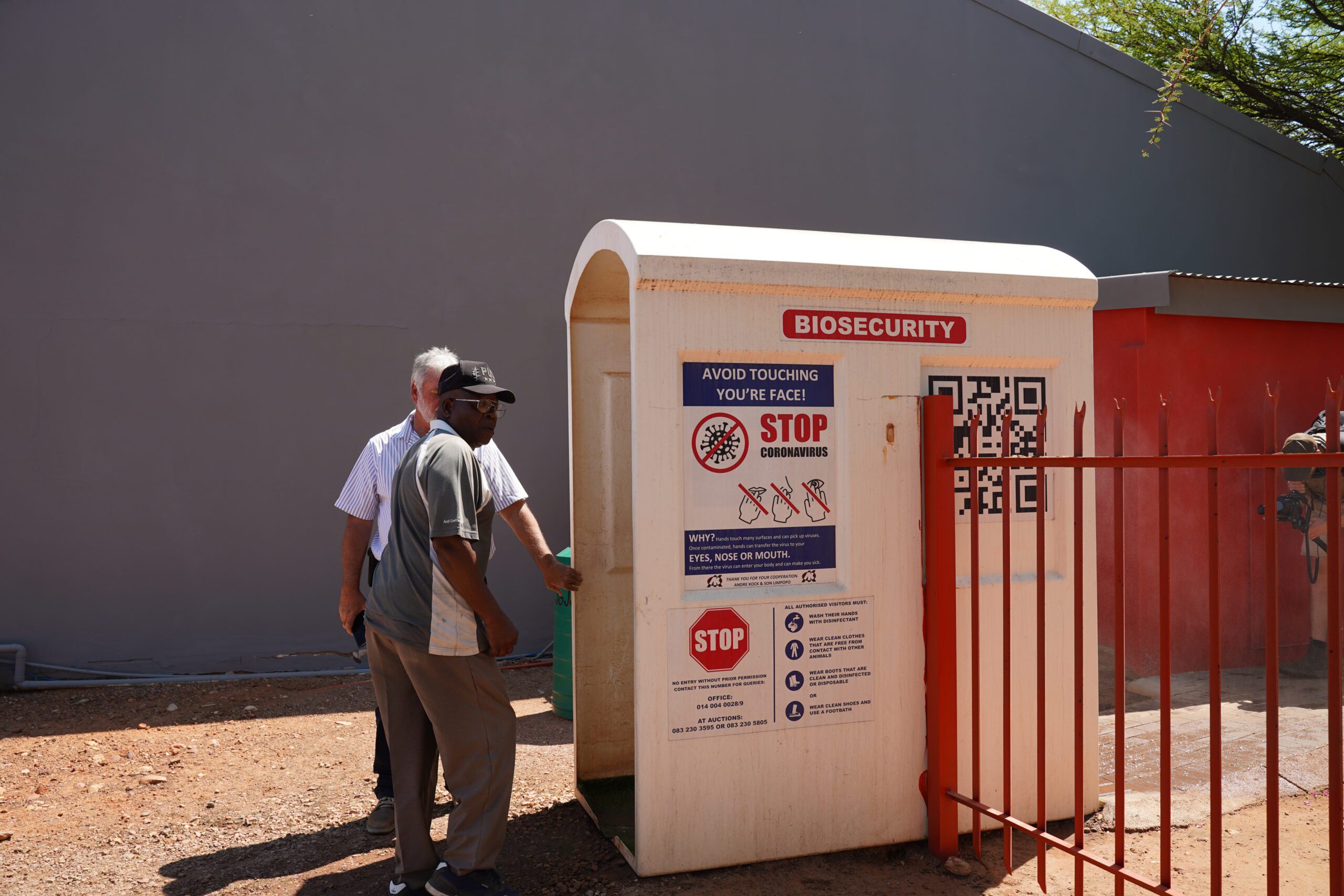
Every person entering the auction grounds passes through a disinfectant spray tunnel. This forms part of the comprehensive on-site hygiene measures enforced to safeguard animal and human health.
Putting the Rules into Practice
During the site visit, the APAC team demonstrated how the regulations come to life in practise. At the André Kock & Seuns facility, pens and walkways were clearly marked and separated, walkways for visitors were elevated to avoid unnecessary contact with livestock, and disinfectant points were placed throughout the premises. Sellers are required to present all necessary documentation before animals are offloaded. If the paperwork or health status of the animals does not comply with regulations, those animals are not allowed to be sold.
Knowles noted that while many facilities are making great progress, some remain non-compliant. Continued failure to meet APAC’s requirements could lead to disciplinary proceedings, withdrawal of registration, or legal action. He added that both farmers and agents should take pride in participating in a system that upholds biosecurity and professionalism.

Footbaths at the entrances ensure that all footwear is disinfected before entering the auction area, helping to minimise the risk of cross-contamination and disease transmission.
Foot-and-Mouth Disease and the Importance of Compliance
South Africa’s recurring outbreaks of FMD have highlighted the importance of strict adherence to auction regulations. When disease spreads through livestock movements, it can have devastating consequences across the entire value chain. Farms suffer financial losses, trade is disrupted, and market confidence declines.
Several provinces, including Limpopo and Gauteng, temporary suspensions of livestock auctions were necessary in recent years to contain outbreaks. In this context, auction premises are not only commercial hubs but also vital frontline checkpoints for disease prevention.
APAC’s rules require that every animal entering an auction be accompanied by a health declaration confirming the absence of recent disease incidents, animal deaths, or herd introductions. Any suspicious symptoms or irregularities must be immediately reported to veterinary authorities or the local Stock Theft Unit.
Knowles cautioned that selling animals at unregulated or non-compliant auctions places everyone at risk, from the individual farmer to the broader livestock industry.
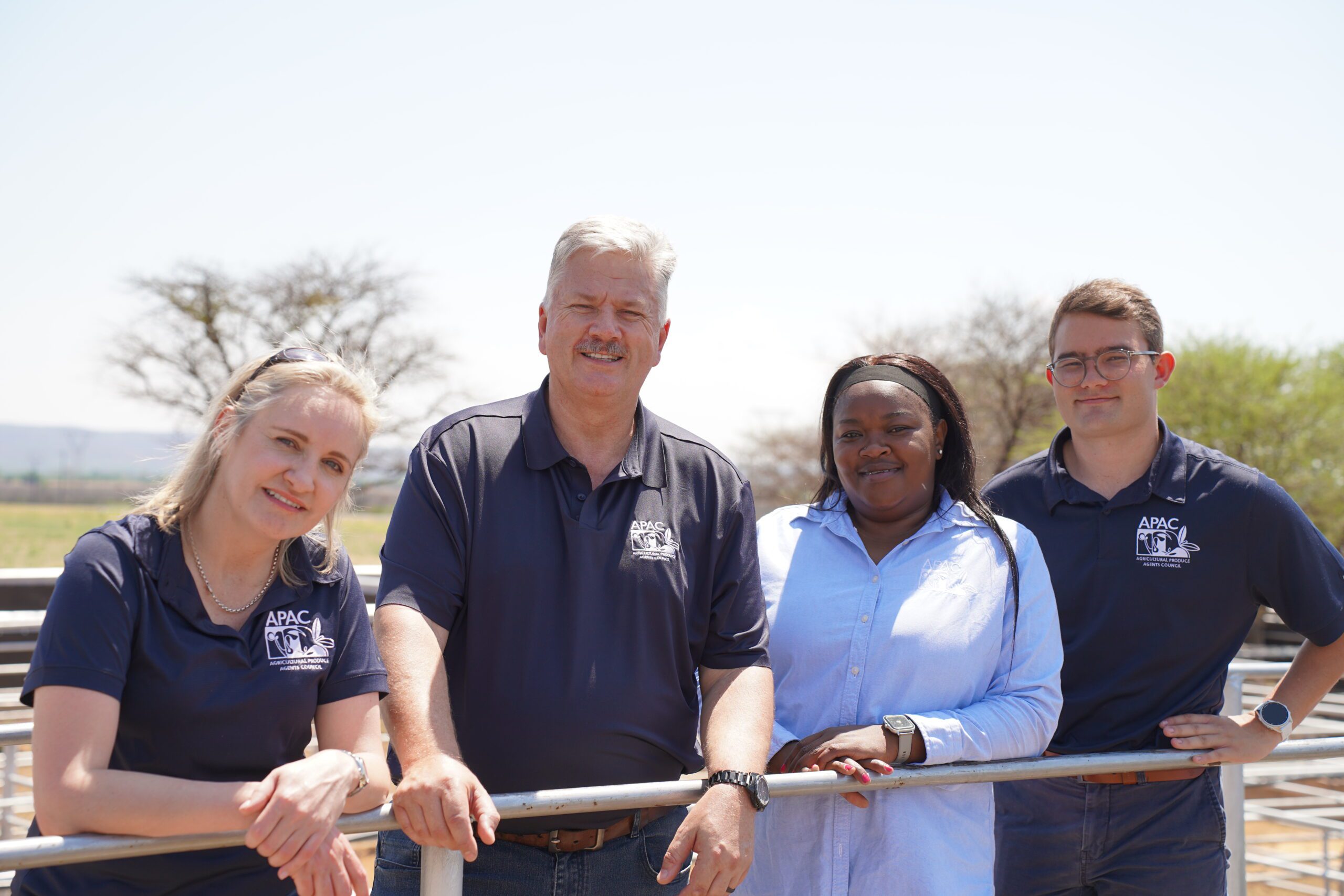
The APAC team conducting a site visit at the André Kock & Seuns auction house outside Bela-Bela, ensuring that biosecurity protocols and auction regulations are properly implemented on the ground.
APAC’s Ongoing Efforts and the Path Forward
APAC continues to strengthen its inspection and compliance programme nationwide. Approximately 259 livestock auction facilities have been identified, although only a portion of these currently hold valid biosecurity compliance certification. Knowles confirmed that APAC’s goal is to bring every facility in line with the prescribed standards, ensuring consistency and accountability across the sector.
He explained that APAC’s role is not purely regulatory. The organisation also supports and educates agents and auction operators through workshops, guidance sessions, and advisory visits to assist them in implementing the rules effectively. In this way, regulation becomes a tool for improvement rather than a burden.
As biosecurity threats increase, livestock auctions must be seen not only as marketplaces but as essential guardians of animal health and agricultural sustainability.
The visit to the facility served as a reminder that the livestock sector depends on both cooperation and vigilance. Without strong regulatory oversight, the industry becomes vulnerable to risks that can have national consequences.
APAC’s continued monitoring, education, and enforcement efforts ensure that both farmers and agents contribute to a safe and trustworthy marketplace for all.
For more information about APAC’s mandate, regulatory framework, and resources available to agents and farmers, visit www.apacweb.org.za. Here guidelines, rule summaries, and contact details can be found to ensure compliance and promote best practice across the livestock industry.
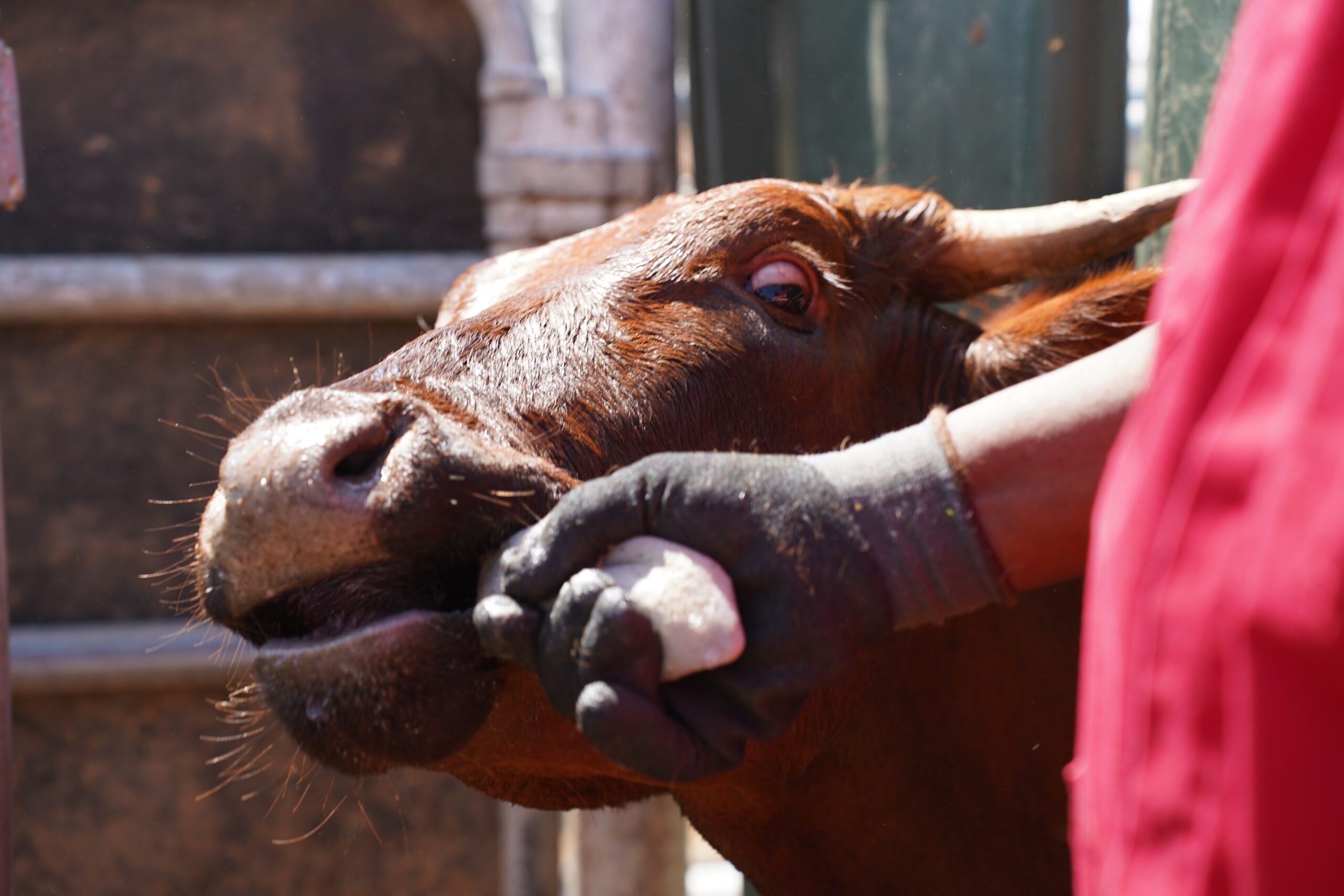
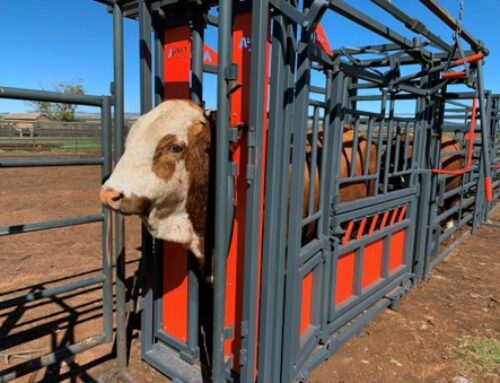
Before entering the auction pens, each animal is carefully inspected by the expert biosecurity team. Here, an inspector examines a cow’s mouth and tongue for any signs of sores or illness, a crucial step in early disease detection and preventing the spread of infection.
-

- Francois Knowles, Registrar of APAC, explains that any animal showing signs of illness or abnormal symptoms is immediately isolated in the designated red quarantine area at the auction facility, a key safeguard to prevent potential disease spread.
-

- Clearly marked as restricted area zones form part of the auctions controlled biosecurity layout, limiting access to high-risk areas and ensuring that only authorised personnel handle livestock movement and inspection.
Related Posts