Young farmers in Zimbabwe get rabbit farming training

hossam-m-omar-QUsiAcC90ZI-unsplash
by Marko Phiri
Young farmers are exploring new agriculture initiatives in Zimbabwe as they seek opportunities to create an income. Rabbit rearing is the new game in town with growing excitement for this budding sector in a country traditionally home to cattle ranching. New entrants into the sector are getting training to set up thriving breeding projects right in their own backyards.
Organisations such as the Zimbabwe Commercial Rabbit Breeders Association (Zicorba) formed in 2020 to promote, develop, and improve rabbit production are at the forefront grooming the next generation of rabbit breeders. The association’s brief is to improve livelihoods, create wealth, and generate employment, while ensuring that healthy rabbit meat is made available to consumers through rigorous screening and testing.
-
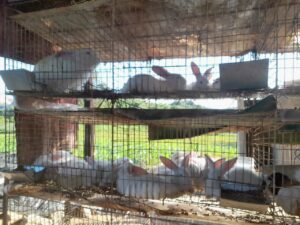
- Some of Tapiwa Nyagwambo’s prize-winning rabbits.
-

- One rabbit can can cost up to USD10. Malea for breeding can cost more.
“There has been a boom in the number of emerging farmers and consumers of rabbit meat, which is quite a positive step towards developing the rabbit farming industry,” said Tapiwa Nyagwambo, a young rabbit farmer who has received training from Zicorba. Many players involved in small livestock have already taken advantage of the growing cuniculture industry and added rabbitries to their plots,”
Tapiwa said. However, as new entrants into the rabbit market grow, professionalising the sector means substantial capital investments. “The most difficulty area in the new farming industry is the technical side,” Tapiwa said. “It is easy to get into the budding rabbit industry, but if you want to expand or establish a professional rabbit breeding venture, a substantial amount of capital is needed to make or buy quality and durable equipment,” he said, adding that this limits participation of unemployed youths.

Tapiwa Nyagwambo and his rabbits.
The agriculture ministry has promoted rabbit farming as a new industry youths should take up as it is fairly easy to set up, unlike other animal husbandry sectors. “Our government and the private sector have been promoting rabbit farming by giving rabbit farmers the opportunity to showcase their products at agricultural shows,” Tapiwa added. He emphasised the importance of joining industry associations for skills sharing and transfer as the sector has the potential to address youth unemployment.
“There must be one voice for strategic planning and working to improve rabbit farming to share the stage with other well established husbandry initiatives,” the young farmer said.
If you are interested in learning more about rabbit farming, follow the link below to read our article series on rabbit farming: https://www.proagrimedia.com/collections/rabbit-farming/
Related Posts