Unique mushroom growing takes shape in Zimbabwe
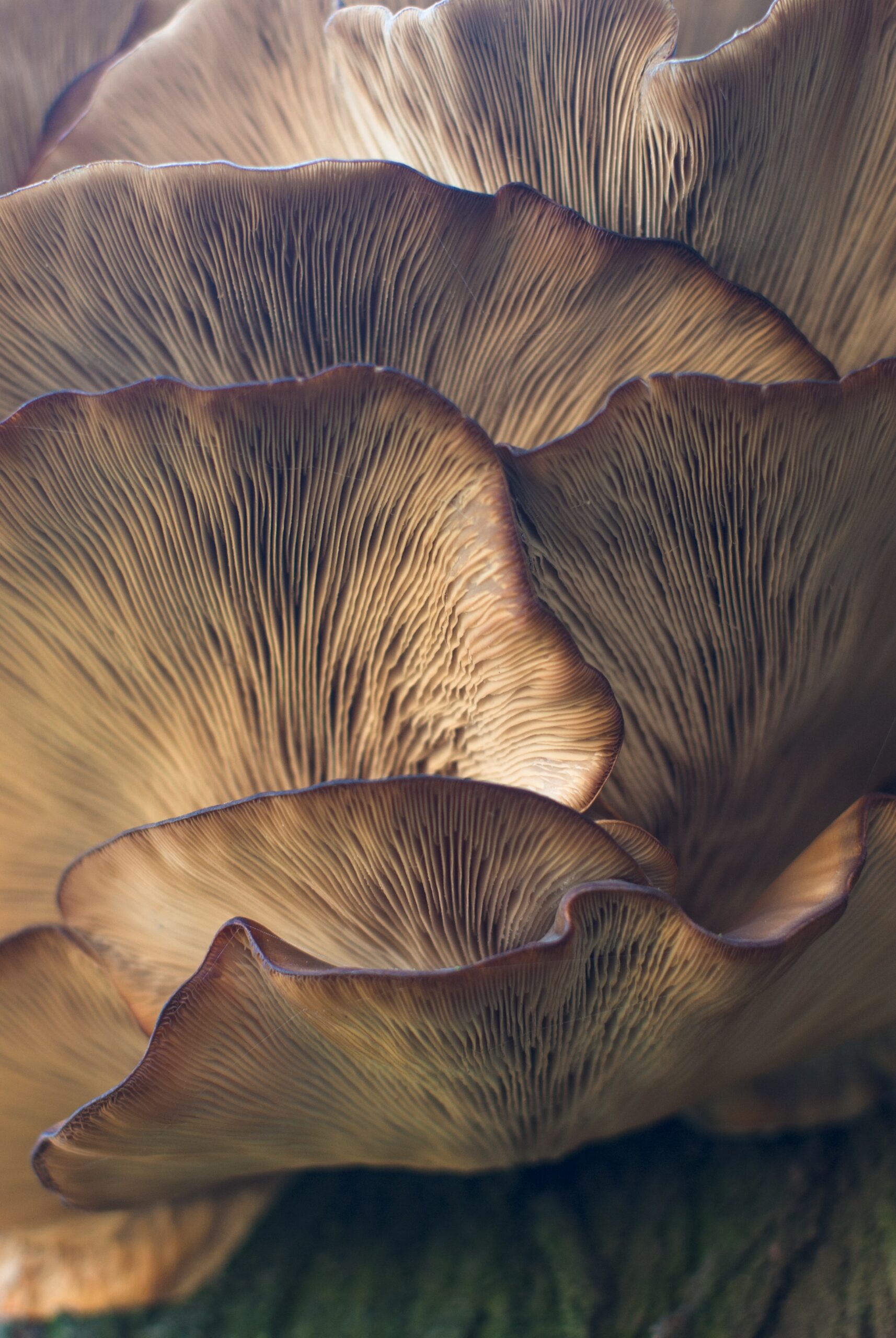
damir-omerovic-UMaGtammiSI-unsplash
Innovative residents in Bulawayo are growing mushrooms in their homes in homemade dark rooms. The organic mushrooms are grown in a grow medium stuffed in plastic bags and sold in supermarkets, confirming their quality.
Sibonokuhle Mthembu, who runs a thriving horticulture project in one of the city’s high-density townships, says she discovered mushroom farming “by mistake”.
A colleague introduced her to the idea, but she says she has been self-taught, turning to YouTube tutorials to learn more. It is these tutorials that have turned her into an expert of sorts as she now advises other aspiring mushroom farmers how to go about setting up the infrastructure in their backyards.
She grows mushrooms in plastic bags that she hangs in a makeshift darkroom where she uses thick black plastic to block sunlight from seeping through the incubator.
“Mushrooms demand a carefully controlled environment to thrive,” Sibonokuhle added.
Growing bags are being prepared by mixing the spawn (mushroom spores) with the wet straw.

“This is one of the most fulfilling projects I have done because it has all been experimental and it has worked well so far,” she said. Another resident who has taken up mushroom farming is Burzil Muchena, who describes himself as a self-made entrepreneur.
Burzil Muchena runs a horticulture project in his city plot where he plants a variety of greens, but his recent source of pride is his mushroom growing efforts. He has set up a darkroom in a backyard shack and like Sibonokuhle, grows mushrooms in plastic bags suspended from the roof by a string.
“They are fairly easy to grow, and they produce pretty quickly,” Burzil said.
Mushrooms have been popular with consumers for many years, but concerns have been raised regarding especially rural communities who consume wild mushrooms which are often poisonous. Safe, cultivated mushrooms are in demand in upmarket retail outlets and for many, they are seen as the kind of food items reserved for hotel diners.
With the government actively promoting farming to rebound the economy, Zimbabwe’s urban farmers are experimenting with different farming techniques, and mushrooms appear to be providing an incentive to experiment.
Supermarkets consider mushrooms a luxury food item, and for Burzil, this has encouraged him to grow more.
“Mushrooms are considered a rich man’s food, so they are expensive. I am making decent money as they do not demand a lot of inputs. But when you are not vigilant it can also be a source of pain with poor harvests,” he said.
Other inputs required, he says, are sometimes hard to get such as wheat hay used for stuffing the plastic bags in which the mushrooms are grown.
“You also need a constant supply of water to ensure humidity and that the dark room temperatures are properly maintained,” he said.
“Because of water shortages in the city, this can be quite frustrating,” Burzil added.

Mushrooms growing in Sibonokuhle Mthembu’s backyard.
For Sibonokuhle the project has been fruitful because she has an assistant working with her who ensures everything is well maintained.
“The project demands constant monitoring. Farming is a full-time commitment and if you have no one to take care of the mushrooms, you may just go broke and never recover,” she said.
Mushroom spawn has become widely available in agriculture outlets and individual private growers in the country, thanks to the increasing interest in mushroom farming. One establishment sells a kilo of mushroom spores for USD3 at a time when a kilo of maize seed can be up to three times that.
Industry experts say mushroom farming in Zimbabwe has not taken off like other sectors such as grain and tobacco and even other small-scale projects such as poultry, despite requiring comparatively little finance to set up.
It is that lack of wide interest from smallholders that is being seen as persuasive enough by innovative entrepreneurs to tap into the niche market. Mushroom growing has not attracted attention of even government which has poured millions of dollars into the agricultural sector.
As farmers like Burzil and Sibonokuhle continue to explore new farming techniques, this has helped to broaden their portfolios from the usual projects that have come to define urban farming.
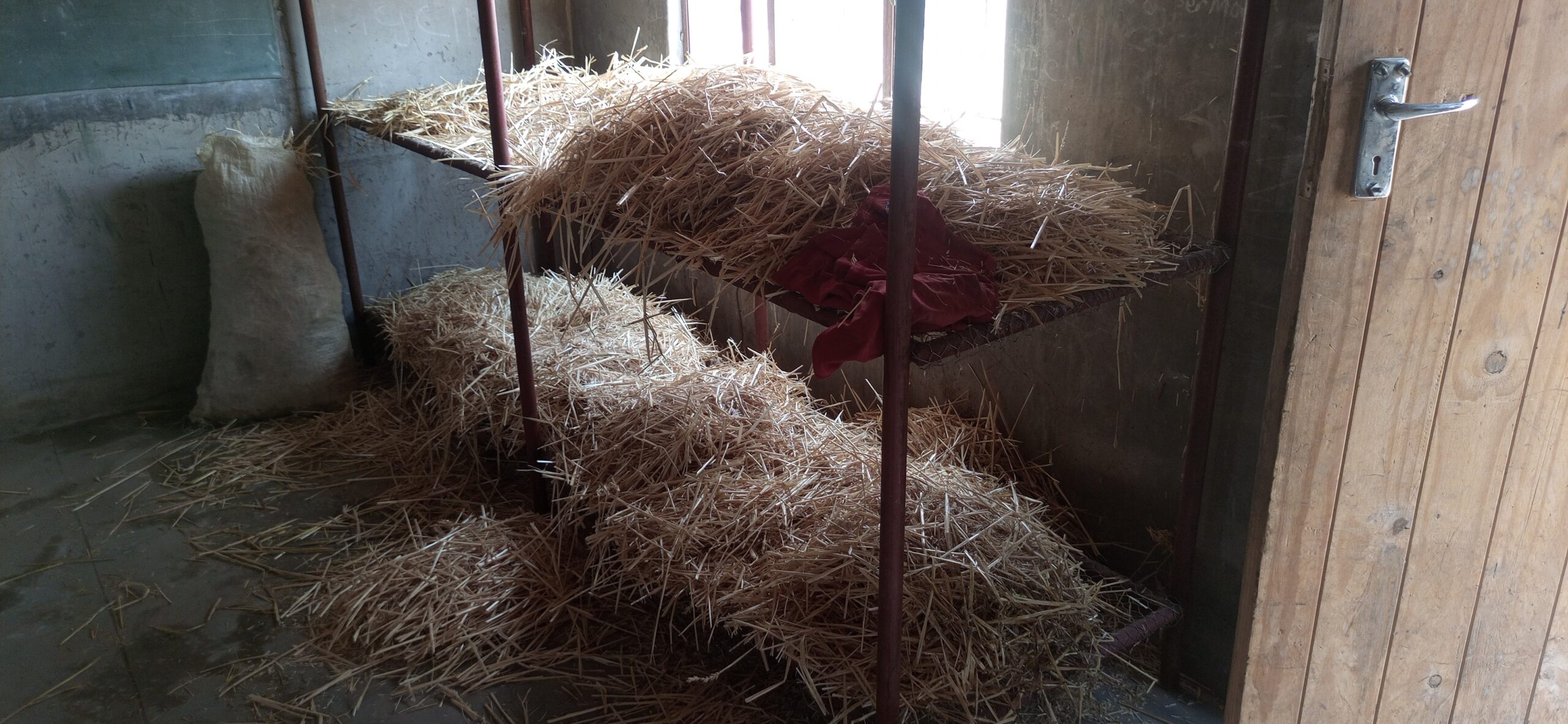
Wheat hay is used to stuff the plastic bags for mushroom growing.
“I have taken a break from poultry to concentrate on mushrooms and will see how it goes, but for now, I think it’s encouraging,” Sibonokuhle said.
In other parts of the country, the World Food Programme (WFP) is supporting women to set up mushroom farming as part of income generating projects, raising potential for the uptake of mushrooms as a widely grown crop.
Mushrooms grow from fungal spores that thrive in damp, dark conditions. They require a medium that is high in decaying plant matter.
Related Posts