Tugela Steel shares practical tips about storage and sheds in harvest season
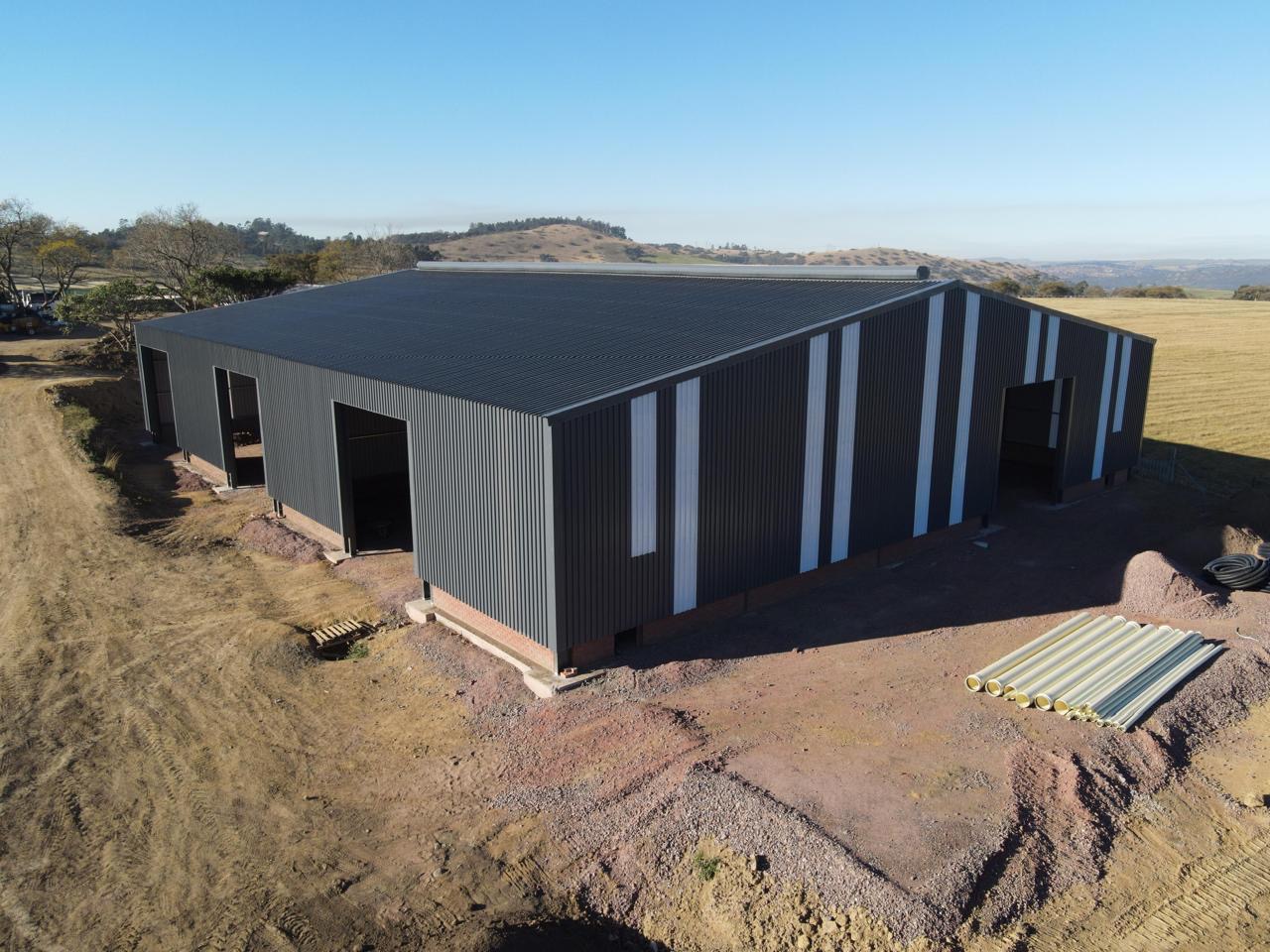
TugelaSteel-FarmShed-ProAgri
The Harvest season feels far away when you’re still in planting mode, but the farmers who have the smoothest harvests in the following year are often those who start planning now.
Modern crops and equipment put considerable pressure on storage and handling. When grain, seed, hay, bales, or produce start flowing, any weaknesses in sheds, logistics, or yard layout become apparent very quickly. Fixing those problems during harvest is stressful and expensive.
Here is a straightforward way to think about harvest preparation while there’s still time to change things.
1. Be honest about current storage capacity
Start with what you have, not what you wish you had.
Determine the following:
- How many tonnes or bales can you realistically store under the roof today?
- Which products are protected and which still stand outside?
- Did you have an overflow last harvest that ended up in temporary or risky storage?
Mark each shed or structure with rough numbering. Many farmers are surprised by how quickly they hit the storage limit. If this is the case, you should consider more permanent storage, a better layout, or new steel structures that can serve other uses beyond harvest.
2. Decide what absolutely must go under the roof
Not everything needs premium storage, but some things do.
High-priority items usually include:
- Grain waiting for outloading or transport
- High-value seed and specialty crops
- Packed produce and palletised goods
- Expensive equipment that is still utilised during harvest, such as trucks and loaders
Lower-priority items, such as older implements or scrap might be stored under a shade net or in an open yard. The key is to match the level of protection to the item’s value and the risk involved.If your current sheds are filled with low-value items, it may be time to clear them out, sell them, or move them elsewhere, and use the steel structures for income-generating purposes.
3. Think multipurpose: One building, many jobs
A harvest shed does not have to be a single-purpose space. A well-designed steel structure can serve as:
- Secure parking for machinery during the planting season
- Bag or pallet storage in the off-season
- Harvest reception and loading in peak season.
- Workshop or service area for breakdowns
With clear spans and high eaves, prefabricated steel buildings can adapt over time. You might start by using the space for grain or bale storage and later convert part of it into a workshop or small pack area. Planning for flexible use protects your investment.
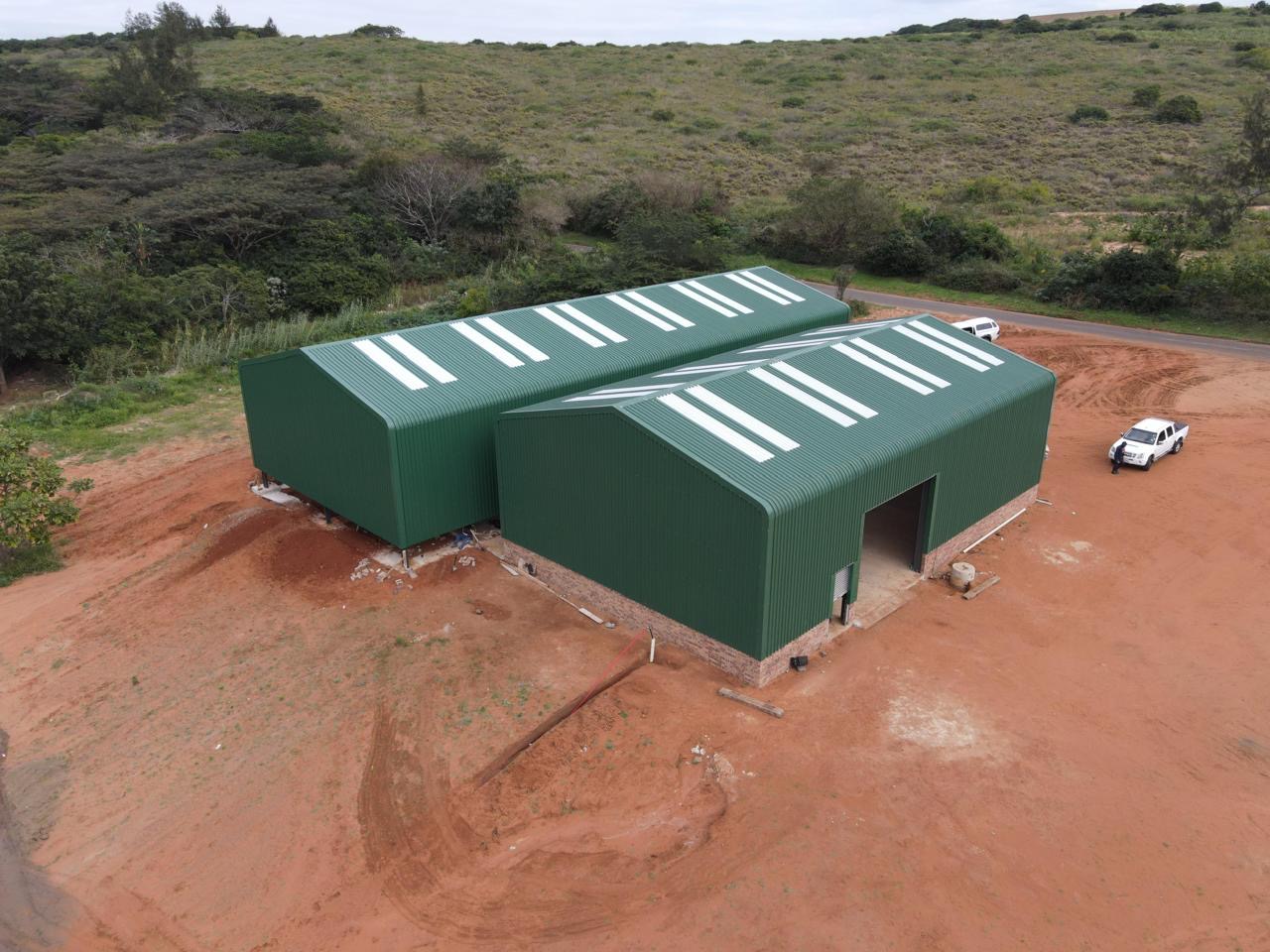
4. Plan the harvest flow: From field to shed to buyer
Track your crop’s journey:
Field → Harvesters → Trailers → Yard → Intake → Storage → Loading → Buyer
At each step, ask:
- Where does traffic build up?
- How long are trucks or trailers waiting?
- In which areas do human and machine traffic overlap?
Sometimes, reorganizing existing sheds or adding an extra steel structure near the loading or intake area can eliminate a major bottleneck. For example:
- An open-sided farming shed near the weighbridge or intake area for temporary parking.
- A covered loading bay or canopy so loading can continue in bad weather.
- A small steel structure next to an existing silo for bagging or palletising.
Better flow reduces machine wear, fuel consumption, and staff fatigue.
5. Do not forget the floor
Remember, the roof gets all the attention, but the floor does all the work.
Consider the following:
- Is there enough hard surface for trucks to turn and queue without getting stuck?Are there low spots where water collects, creating muddy conditions for equipment and workers?
- Are your slabs thick and level enough for forklifts and pallet jacks?
Sometimes the best upgrade before harvest is not a new structure, but better hardstands and drainage around the existing ones. If you are planning a new steel structure, decide early whether to use full concrete, partial concrete, or stabilised ground.
That choice has a significant impact on how the shed operates during harvest.
6. Make space for grading, drying, or conditioning
More farmers are adding basic cleaning, grading, and conditioning steps to improve both quality and price. These processes require adequate space under the roof.Consider the following:
If you use a mobile cleaner, where will it be positioned?
Is there enough space to store the product before and after processing?
- Can staff work safely, protected from sun and rain?
You may not need a dedicated building. A bay within a larger steel structure, with good airflow and lighting, can be sufficient. Planning this bay in advance helps avoid last-minute stress later.
7. Equipment and maintenance during harvest
Harvest doesn’t stop for breakdowns, but they do happen. Having a small, well-organised service area near your harvest center can save valuable hours.Consider the following:
- A dedicated bay in a steel shed with tools, jacks, and spares.
- Simple storage for belts, bearings, chains, and critical parts.
- Good lighting and a reliable basic power source
You don’t need a full workshop at the silo, but having a roof and the right tools where machines break down can make a huge difference — especially at midnight.
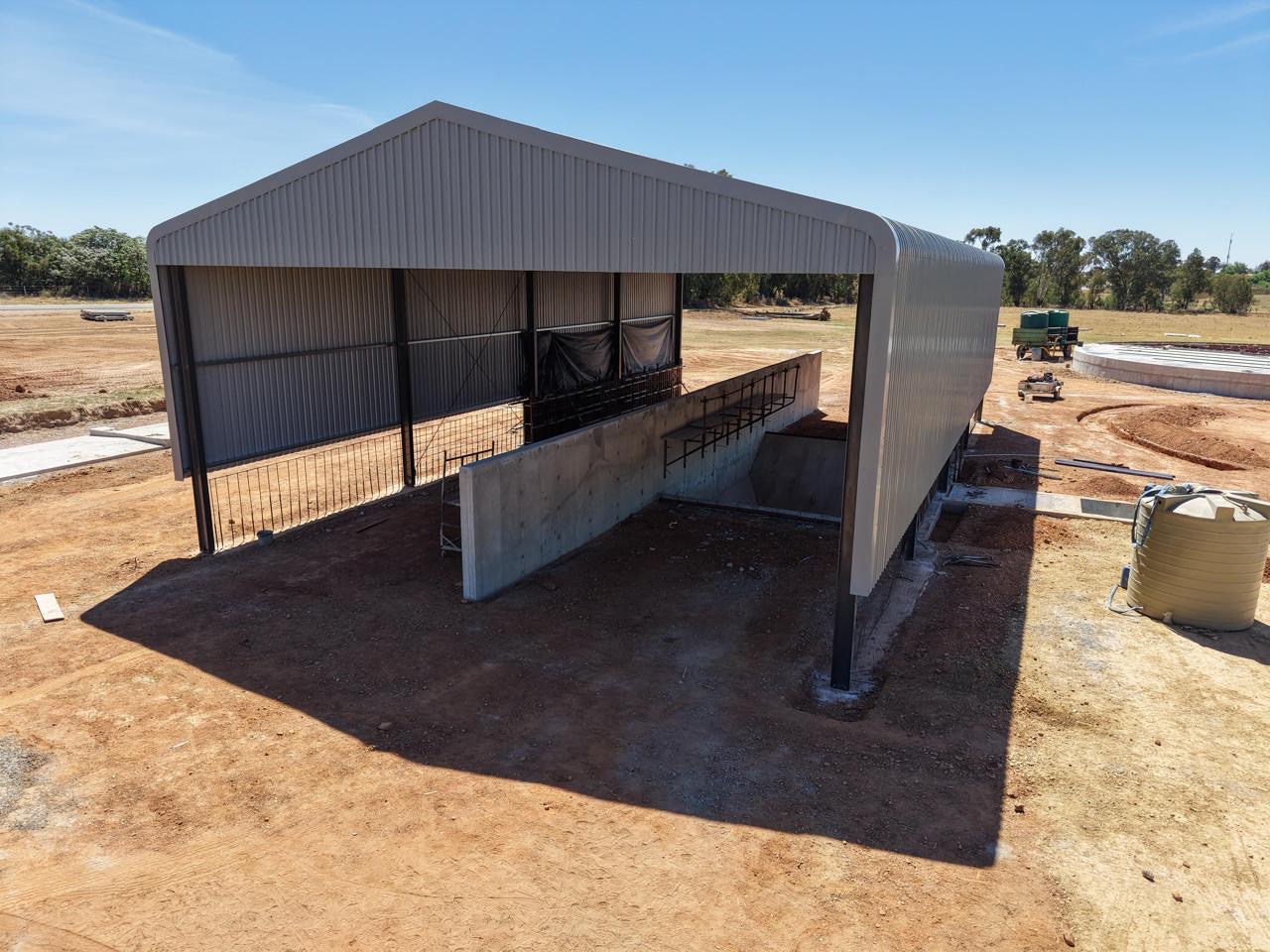
8. Use the quiet months to build or extend
Construction during harvest is a nightmare, but doing it in the quieter months is much more manageable.
- If storage was tight last year, plan ahead and take action early.Extend an existing steel structure by one or two bays.
- Install a standard-size prefabricated steel building near your main harvest point.
- Reorganise existing sheds to give high-value harvest stock the best space.
Many suppliers offer standard-sized steel structures with short lead times. These structures can often be designed, delivered, and erected well before harvest if planning begins soon after planting.
9. Safety and security
Harvest brings increased risk: more traffic, more people, and more products on site.
Ensure that:
- Access points are clear and controlled.
- High-value areas are covered under the roof and, where necessary, secured behind locked doors.
- Lights, cameras, and basic barriers are installed where they are most needed.
Well-designed sheds, a clear layout, and basic security measures help protect both people and products.
Final thought
Harvest can feel like a problem for “next year you”, which is often why yards remain stuck for a decade. By using the planting and growing season to plan and improve storage, traffic flow, and sheds, you can make harvest much calmer and more efficient.
Steel structures, whether open-sided or enclosed, provide flexible, long-lasting space. Use them to centralise storage, simplify logistics, and preserve crop quality when harvest arrives.
You can’t control the weather or markets, but you can ensure your yard is ready when the first load arrives.
Planting season doesn’t wait, and neither should your storage planning. Secure a durable farming shed or prefabricated steel building from Tugela Steel’s ready-to-deliver range. For more information, send an email to sales@tugela.co.za, call them on 031 566 4601 or visit their website at www.tugelasteel.co.za
Related Posts