PRELIMINARY REPORTS: CITRUS EXPORT FROM FLOODED AREAS WILL BE DOWN BY AT LEAST 5%
NAM03410
Media statement by the Citrus Growers’ Association of Southern Africa
4 June 2026
Initial assessments by the Citrus Growers’ Association of Southern Africa (CGA) indicate that recent severe weather will cause a decrease of at least 5% in expected export estimates from flood-damaged areas. The areas affected are Patensie, in the Eastern Cape, and Citrusdal and Boland in the Western Cape.
At this stage it is difficult to establish more precise figures on the impact of the flooding, as a limited number of growers have still not regained access to their orchards to assess the damage. This means these preliminary damage estimates will likely rise over time. Also, damage in the form of fruit dropping from trees can have a delayed impact over time that cannot be immediately assessed.
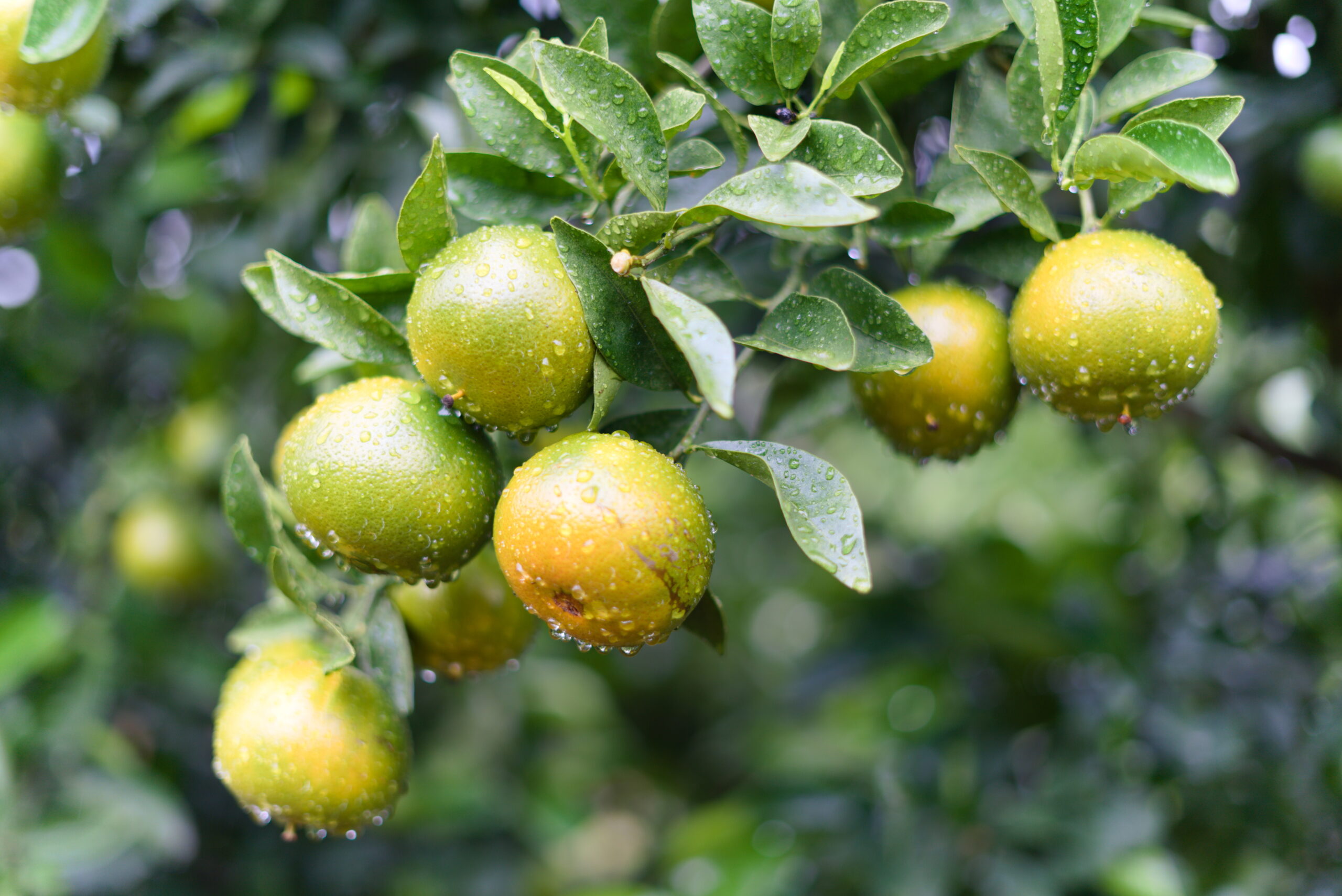
The mandarin crop has been impacted the most by the floods, as the country’s main mandarin production regions were affected, and harvesting activities were interrupted at a critical early stage of the mandarin season.
The majority of affected farms have worked hard to recover from flood-related delays, and while export volumes have been revised downward, the integrity and reliability of supply to international markets remains intact. In general, orchards situated close to rivers bore the brunt of the flooding, while the majority of orchards received rainfall without damage and are able to supply high-quality fruit.
Dr. Boitshoko Ntshabele, CEO of the CGA, said: “Our thoughts remain with farming communities across these regions, many of whom have over the past weeks been dealing with both immediate losses and the longer-term implications of infrastructure damage.”
He continued: “The timing of the rain was particularly challenging, as the citrus season was just beginning to gain momentum. While it remains too early to exactly quantify the cost of the floods, it is clear that orchards, farm structures and road infrastructure have been affected, mostly around Patensie in the Eastern Cape.”
In terms of overall timing and progression, the season is not running later than last year and is generally speaking two to three weeks ahead.
Earlier this month, the CGA welcomed the immediate declaration of a national state of disaster. It also now supports the call of fellow agriculture associations, such as South African Table Grape Industry (SATI), for both provincial and national government authorities to provide increased disaster relief and recovery support to producers and rural communities.
The most severe impact from the floods was felt in the Kouga Municipality in the Eastern Cape, particularly in the Gamtoos Valley around Patensie. Citrus orchards have been flooded, some to such an extent that topsoil has been washed away, trees uprooted and roads destroyed.
In the Western Cape, areas including Citrusdal and the Boland, also experienced intense rainfall. While water levels in Citrusdal were higher than during the two previous flood events in 2023 and 2024, the overall damage appears less severe, with key access routes remaining operational. This is largely due to the infrastructure improvement and river works implemented by the provincial government over the past two years. These efforts have saved lives and safeguarded a citrus export season for the Oliphant’s River Valley.
The extreme weather challenges come at an already difficult time for growers, who are navigating global disruptions due to the war in the Middle East. Rising input costs, especially diesel and fertiliser, as well as significantly higher shipping costs, are exerting pressure on the citrus industry.
“What had been shaping up as a strong season is now requiring a high degree of adaptability from producers and exporters alike,” said Dr Ntshabele.
Media enquiries
Erin Dodo
erin@resolvecommunications.co.za
072 070 7248
Related Posts