
Nutrient-rich Moringa tree has potential to transform poultry farming and consumer health

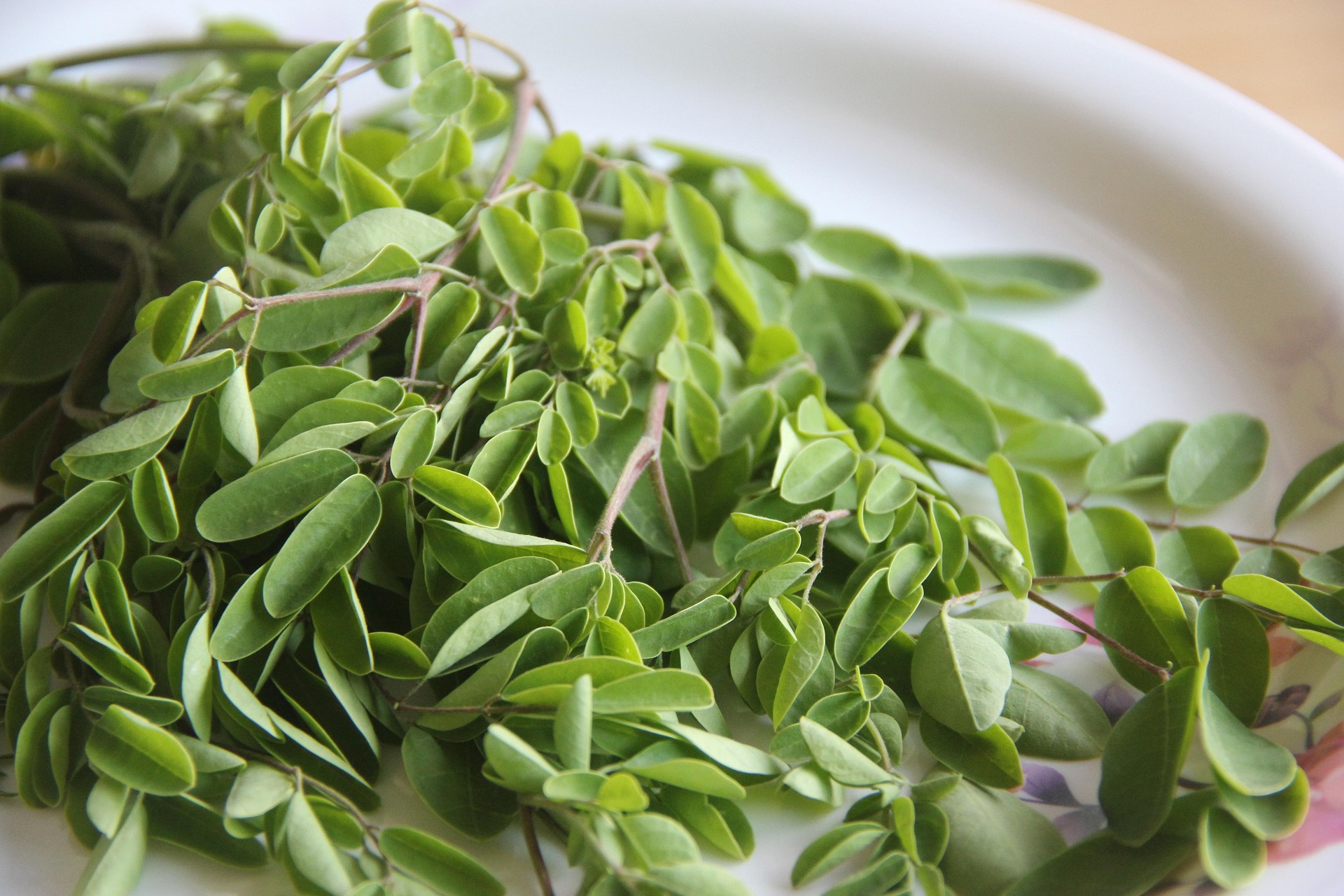
Moringa oleifera or Moringa fresh leaves,
2530369695
As the global conversation around sustainable farming and healthier food options grows louder, Moringa oleifera – a fast-growing, nutrient-rich tree native to tropical and subtropical regions in India and Africa – is emerg¬ing as a promising solution that could help address both these critical issues.
Often referred to as ‘A mother’s best friend’, the ‘Drumstick tree’, and the ‘Tree of life’, moringa has long been celebrated in traditional medicine for its numerous health benefits. However, it is now gaining recognition for its role in animal production, particularly in poultry farming, as an alterna¬tive growth promoter and immunity booster.
Broiler chickens are an important and affordable source of high-quality protein for many South Africans and people around the world. The role of smallholder farmers in raising these birds is crucial to ensuring food security within many communities.
Yet, the sector faces numerous obstacles, particularly rising feed costs and increasing concerns about antibiotic use in poultry production. Adding moringa to broiler feed has been shown to improve growth rates, boost immunity, and reduce mortality. This not only offers an ideal alternative to antibiotics in poultry farming, but also supports the production of healthier meat for consumers.
Despite these benefits, moringa’s potential as a poultry feed additive remains largely untapped. Key barriers include inconsistent access to moringa in bulk, especially for larger poultry operations, and insufficient education on how to incorporate it effectively into poultry diets.
While smallholder farmers find cultivating moringa relatively easy – owing to its drought-tolerant nature and ability to thrive in challenging environments – the real challenge lies in scaling up production to meet the demands of larger poultry farms. Without a reliable supply chain, larger producers are understandably hesitant to adopt moringa as a primary poultry feed ingredient.
From a consumer perspective, the potential health benefits of moringa-fed poultry are significant. Moringa is rich in essential nutrients such as vitamins, minerals, and antioxidants, all of which are beneficial not only to chickens but also to the people who consume them. By supporting poultry that are fed a more natural, nutrient-dense diet, consumers can enjoy meat that is both healthier and more sustainably produced. This creates a win-win situation, enhancing both public health and environmental outcomes.
Integrating moringa into sustainable food systems
Beyond its direct benefits in poultry production, the incorporation of moringa ties into a larger framework of sustainable food systems. As climate change, resource scarcity, and public health concerns increasingly dominate global agendas, there is a pressing need for agriculture to evolve.
Moringa cultivation is inherently sustainable as it requires minimal water and inputs, making it well-suited to regions facing climatic uncertainties. In fact, studies have shown that moringa trees are exceptionally efficient at carbon sequestration, contributing to the mitigation of climate change impacts. By promoting moringa as a feed additive, we are also advocating for agricultural practices that support environmental stewardship and climate resilience.
This expanded perspective is particularly relevant in the context of World Health Day 2025, which will highlight the critical intersections between health, nutrition, and sustainable food production. On this day, the focus will be on advancing public health; integrating moringa into poultry farming is a sustainable innovation that not only improves animal health and productivity but also offers a model for reducing antibiotic dependence – a significant public health concern.

Dr Sharon Nobuhle Lungu (PhD Animal Science) and former member of the FSNet Africa project under the Centre for the Advancement of Scholarship.
Challenges and the path forward
The research underpinning these findings underscores the promise of moringa as an antibiotic alternative in broiler diets. However, the study also highlights practical challenges: the lack of a consistent supply of bulk moringa and limited farmer awareness are critical hurdles that need to be overcome.
Addressing these issues will require concerted efforts from researchers, policymakers, and industry stakeholders. Investment in capacity-building and education initiatives is paramount. By enhancing farmer knowledge and establishing reliable supply chains, we can ensure that the benefits of moringa are realised on a broader scale.
Furthermore, the integration of moringa into sustainable food systems has implications beyond poultry farming. It aligns with the United Nations’ Sustainable Development Goals – specifically those related to good health and well-being, responsible consumption and production, and climate action.
By adopting practices that reduce reliance on chemical inputs, moringa not only improves the sustainability of poultry production but also supports the development of resilient food systems that can better withstand environmental and economic shocks.
A call to action on World Health Day 2025
In line with the ethos of World Health Day 2025 (7 April), we must highlight agricultural innovations such as the use of moringa in poultry production. By linking improved animal health and productivity with broader sustainable food systems, we can forge a path toward healthier diets and more resilient communities.
The potential adoption of moringa as a natural growth promoter represents a critical step in reimagining how we produce food – a step that benefits farmers, consumers, and the environment alike.
As a sustainability researcher with a focus on moringa, I advocate for increased research, greater public-private partnerships, and robust support systems that facilitate the widespread adoption of sustainable practices in agriculture.
Let us use this World Health Day not only to celebrate health and wellness, but also to commit to transforming our food systems to nurture both people and the planet.
12 Comments
Leave A Comment
Related Posts


Want more detailed information in the use of moringa in poultry keeping please
Good day
For more information about the Moringa tree please contact Mr. Sashlin Girraj, Public Relations & Events Manager, Department of Institutional Advancement at 012-420-2252 or 072-447-3784 or sent an e-mail to sashlin.girraj@up.ac.za
Kind regards, Editorial Team
Hi,
Do we use the leaves or whole plant or its extracts.
Good day
For more information about the Moringa tree please contact Mr. Sashlin Girraj, Public Relations & Events Manager, Department of Institutional Advancement at 012-420-2252 or 072-447-3784 or sent an e-mail to sashlin.girraj@up.ac.za
Kind regards, Editorial Team
Impressive
The best article have read today,this positively impacts daily life by increased food security.
Excellent idea and article. Any information on what kind of ratios can be added for chicken feed. And is it better as wet feed or dry feed
Good day
For more information about the Moringa tree please contact Mr. Sashlin Girraj, Public Relations & Events Manager, Department of Institutional Advancement at 012-420-2252 or 072-447-3784 or sent an e-mail to sashlin.girraj@up.ac.za
Kind regards, Editorial Team
This will be very helpful to African small poultry farmers to boost their production
Very good and timely article, would like to get more information on the use of moringa in poultry feeds.
Well done, for the information, but are we talking of the leave or seed is it dry or fresh one thanks
Good day
For more information about the Moringa tree please contact Mr. Sashlin Girraj, Public Relations & Events Manager, Department of Institutional Advancement at 012-420-2252 or 072-447-3784 or sent an e-mail to sashlin.girraj@up.ac.za
Kind regards, Editorial Team