JRM’s passage to success
JRM Pallets_Images-01
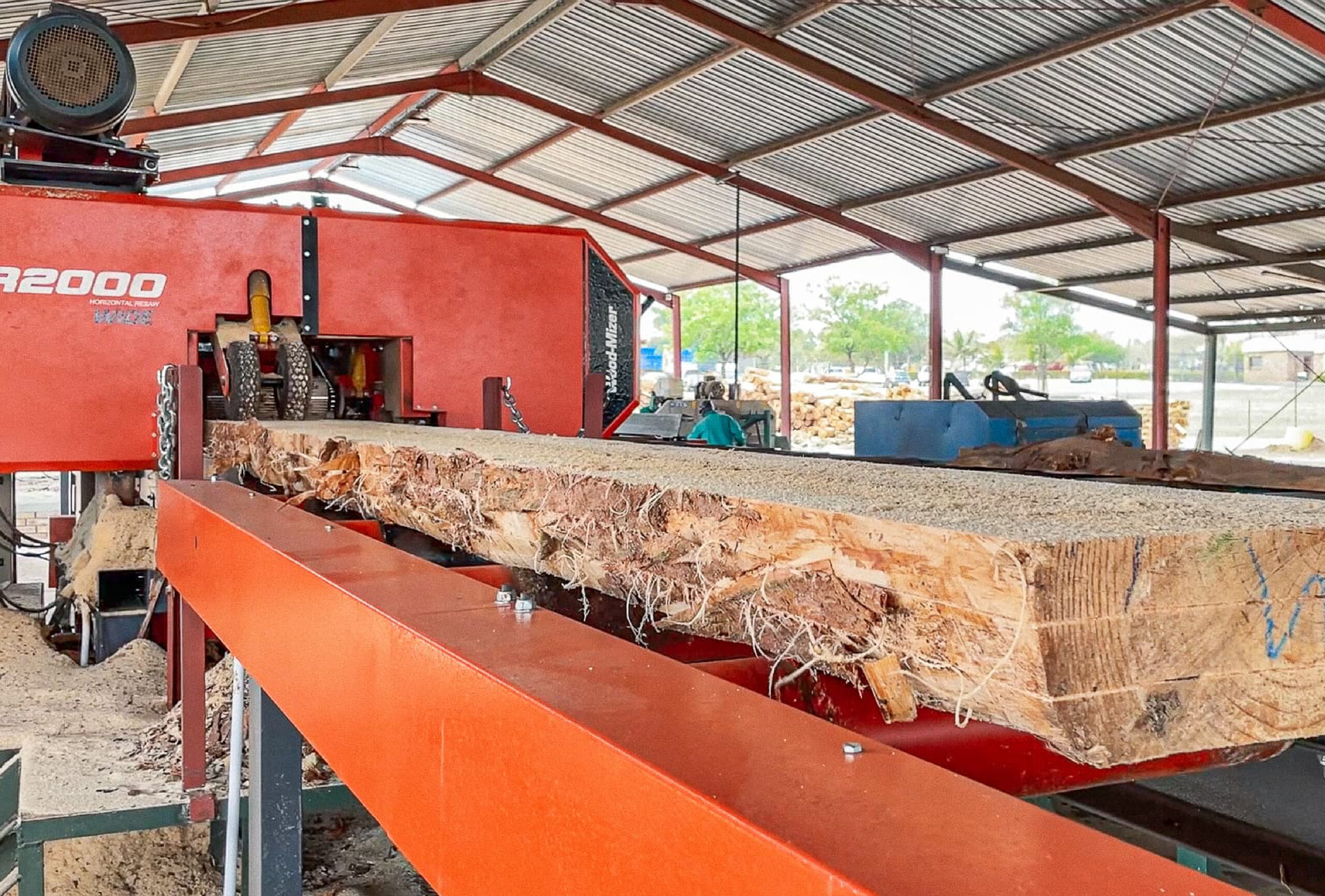
Three flitches produced from a single using a Wood-Mizer HR2000 Double Head Resaw.
Hectorspruit-based JRM Pallets is investing in continued growth to unlock opportunities in the timber in South Africa and the wider region.
In just a decade, the company has evolved from a small farm-based start-up to a highly productive sawn timber producer and manufacturer. The commissioning of its new Wood-Mizer WB2000 line in April 2022 marked an important milestone in this growth journey.
Located in Hectorspruit, close to South Africa’s border with Mozambique, JRM is ideally positioned to capitalise on opportunities in one of Southern Africa’s fastest-growing economic hubs.
Hectorspruit is situated in the Nkomazi District of Mpumalanga, South Africa’s second-largest citrus-producing region. The area’s growing agribusiness sector represents an important customer base for JRM, with several emerging agricultural enterprises among the company’s largest clients.
Excellence from the start
JRM’s journey began on a farm in Louw’s Creek in 2008, when an opportunity arose for its CEO, Jason Mohle, to use his IT background to start manufacturing pallets for local farms.
What started as a part-time operation with a single Wood-Mizer sawmill gradually grew into a fully equipped fleet of machines. A decade later, this small venture had developed into the successful timber and pallet manufacturer it is today.
“But it was tough at first. We started the sawmill during the 2008 recession. With no bank financing, I had to cash in everything. I even borrowed from my dad,” Jason says.
By 2022, JRM had grown into a formidable, vertically integrated timber operation.
Sawmilling forms the core of the business, with output from its sawn pine and gum divisions supplying the raw material for its manufacturing and sales divisions.
“Our competitive advantage lies in our ability to supply exceptional quality consistently,” Jason says.
“Value addition, precision and recovery are important parts of this. So too are tight control of energy and logistics costs, and safer, better-paying employment opportunities through automation.”
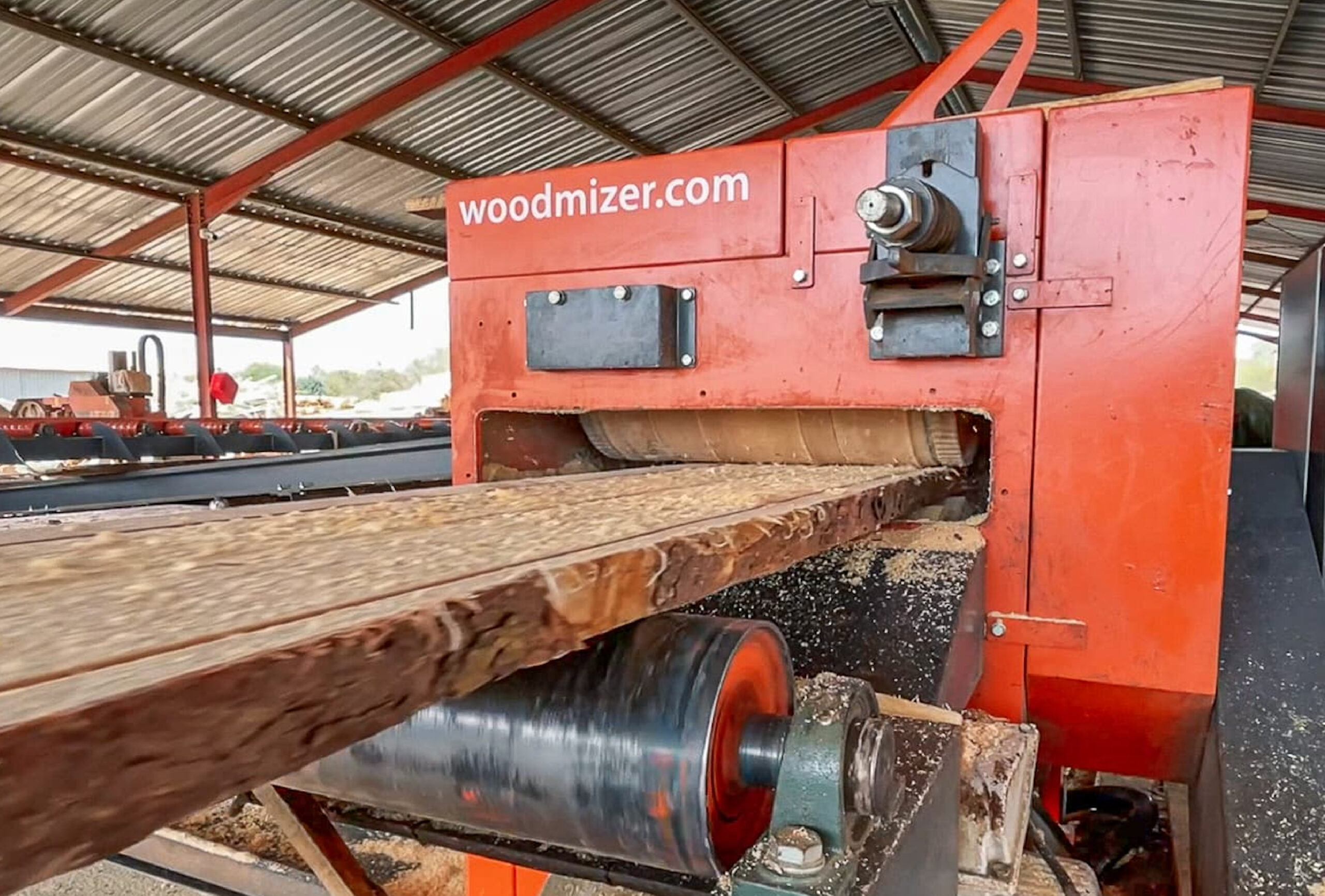
Ready-sawn boards exit the Wood-Mizer EG800, while recovered material is cut into pallet components, and waste is chipped.
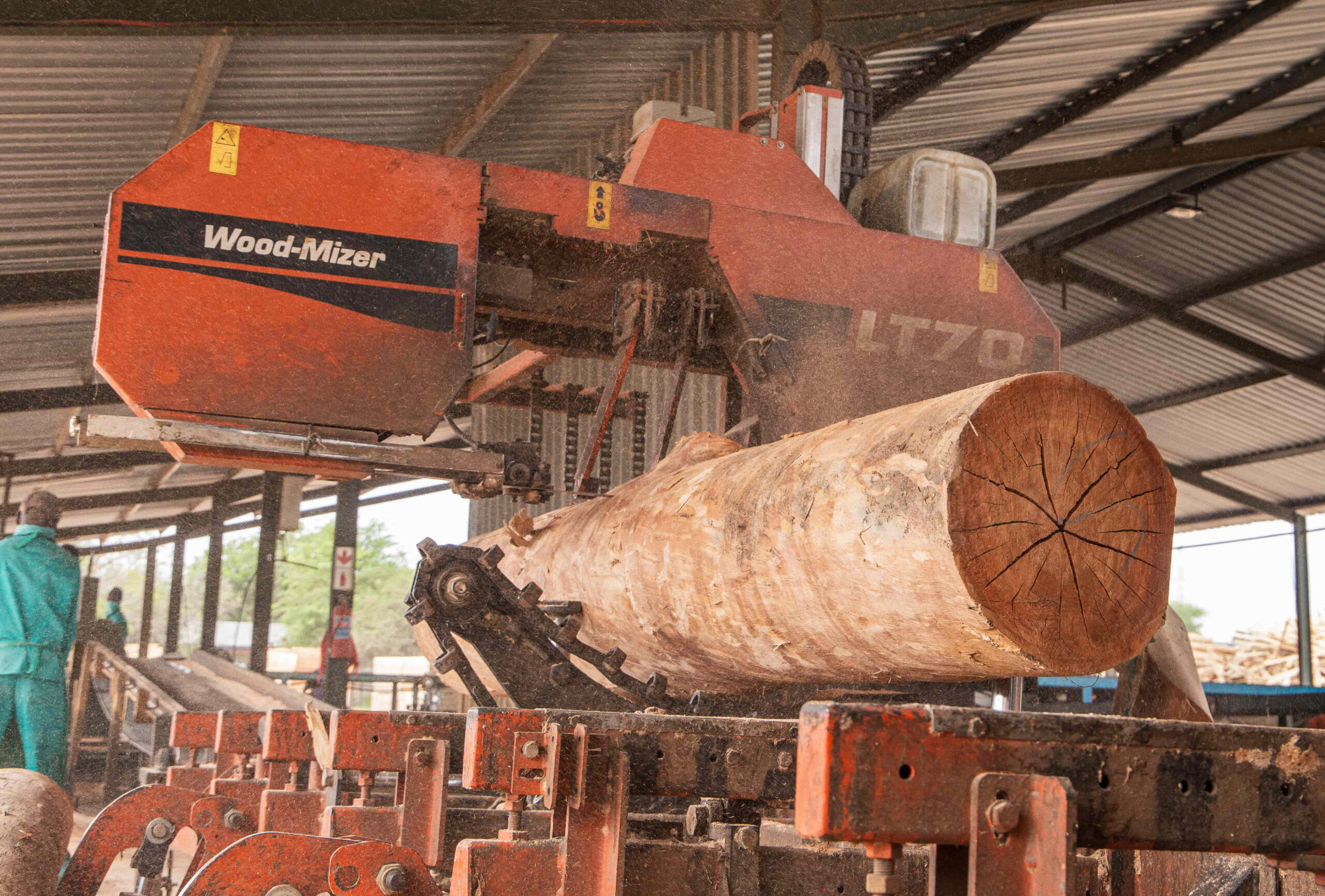
Large-diameter gum logs are processed into pallet components using a Wood-Mizer LT70 Remote and LX450.
The proof is in the cutting
JRM’s sawmilling operation is divided into two divisions: gum and pine.
The gum line processes 80 m³ of timber, with the output supplying JRM’s pallet factory and the remainder being sold.
Smaller-diameter logs are broken down into two-sided cants using a Wood-Mizer twin vertical saw. These are then ripped, with further resawing and timber recovery carried out on three Wood-Mizer resaws.
Logs exceeding diameters of 300 mm are processed using a Wood-Mizer LT70 Remote and LX450 to produce sawn timber, with the remaining material flowing back to the recovery process.
“On the pine side, JRM has always been a structural timber producer,” says Jason.
“The larger margins that we get on structural timber and the opportunity to use the recovered material for pallet production made structural timber a natural fit for us from the start.
“But we knew we could do it better,” Jason says.
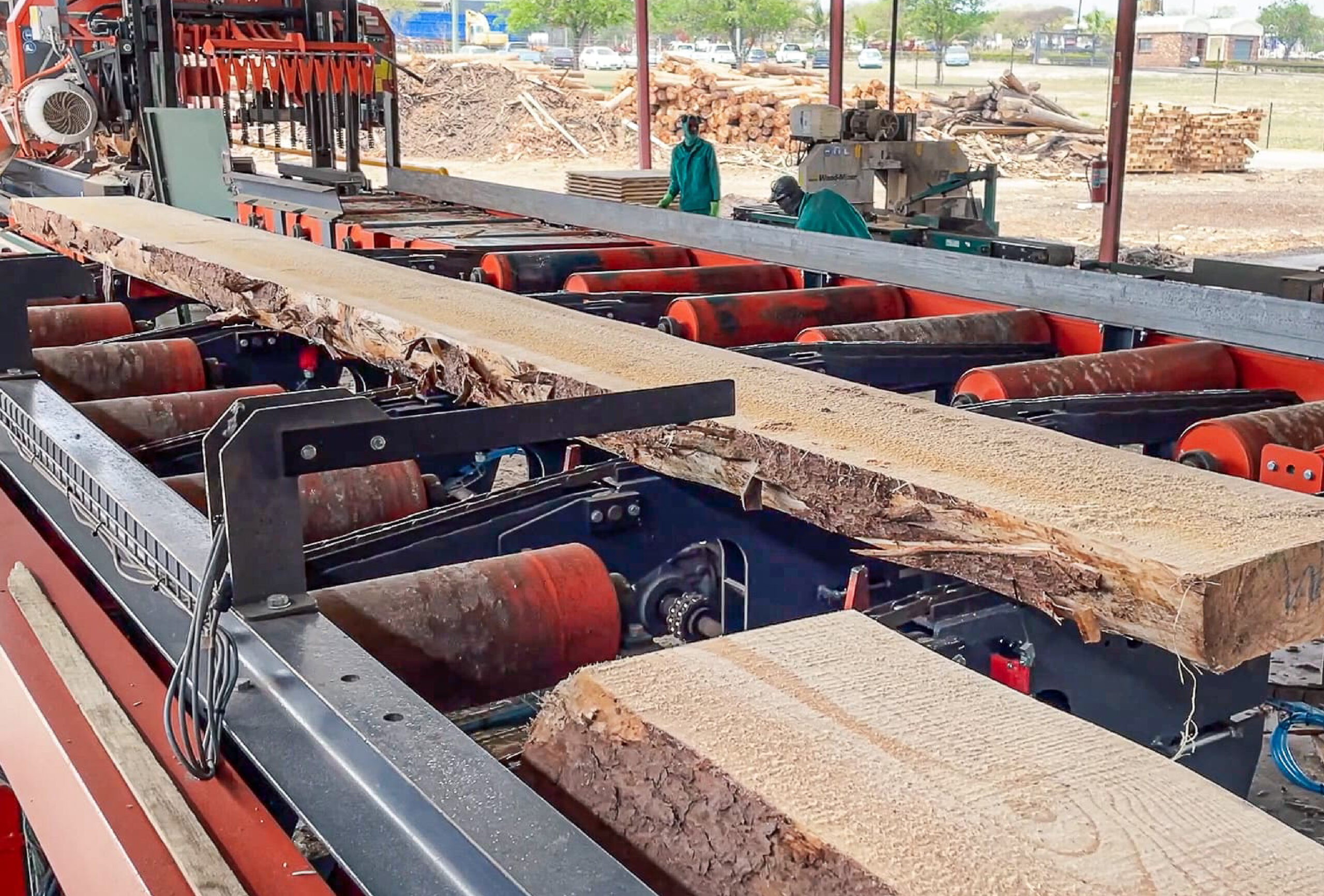
Automation drives productivity. As one cant enters the resaw, the next is automatically positioned against a set of hook-stops, ready to be fed into the machine.Efficiency, precision, productivity
And then, JRM did it better by commissioning its new Wood-Mizer pine line in April 2022.
“The new line stripped all the redundancies out of our previous set-up and left us with a clean and simple process geared for future growth,” says Jason.
A Wood-Mizer WB2000 PRO breaks B-, C- and D-class logs (180 mm to 340 mm and larger) into slabs and cants. These are then split into multiple flitches on the HR2000-2 Wide Resaw. With a cutting width capacity of 600 mm, most logs can simply be sawn through and through.
This approach minimises the amount of work required on the primary saw, the WB2000 Fewer cuts and turns are needed per log, allowing more logs to be processed in a day, compared with conventional sawing methods.
The flitches produced are then edged on a Wood-Mizer EG800. A Wood-Mizer LX450, which forms part of the line, also processes D-Class logs (larger than 340 mm in diameter) into boards that are fed into the EG800, supplementing the line’s overall production throughput.
A second Wood-Mizer EG800, together with additional resaws, handles the recovery of smaller dimensions as required.
The line processes 100 m³ of logs per day and produces 50-60 m³ of sawn timber per day. With recovered material included, the overall recovery rate increases to approximately 60%.
“We had a few objectives when we installed the line,” Jason says. “JRM is now geared for steady growth into the future, depending on available log volumes.
“The line design was also intentional, and we aimed for a clean and highly productive process. The processing units and material transfers gel together seamlessly for an automated system geared for productivity.”
The resaw infeed system is a good example of the level of automation achieved.
The system synchronises the movement of the slab exiting the WB2000 with that of the slab entering the HR2000. Completely automated, it ensures an uninterrupted flow of material from breakdown to resawing, and on to the board edger.
“The total automation achieved by Wood-Mizer’s Systems team has boosted our productivity, and our line operators now have safer and better-paying jobs,” Jason says.
Slashing the mill’s electricity bill was another objective.
The energy savings from the new line now help power two recently installed kilns. The first dries pallets to the required phytosanitary standards to increase JRM’s export pallet sales.
The second kiln further strengthens JRM’s margins by enabling the company to produce kiln-dried structural timber, contributing to its profits. A new timber treatment plant is also on the cards, which will open further opportunities in the agribusiness sector.
“The new line also meant that we had to have guaranteed service support for the duration of its lifespan,” Jason says.
“Wood-Mizer’s support during the design and commissioning phases, and maintaining the mill, has been excellent,” Jason concludes.
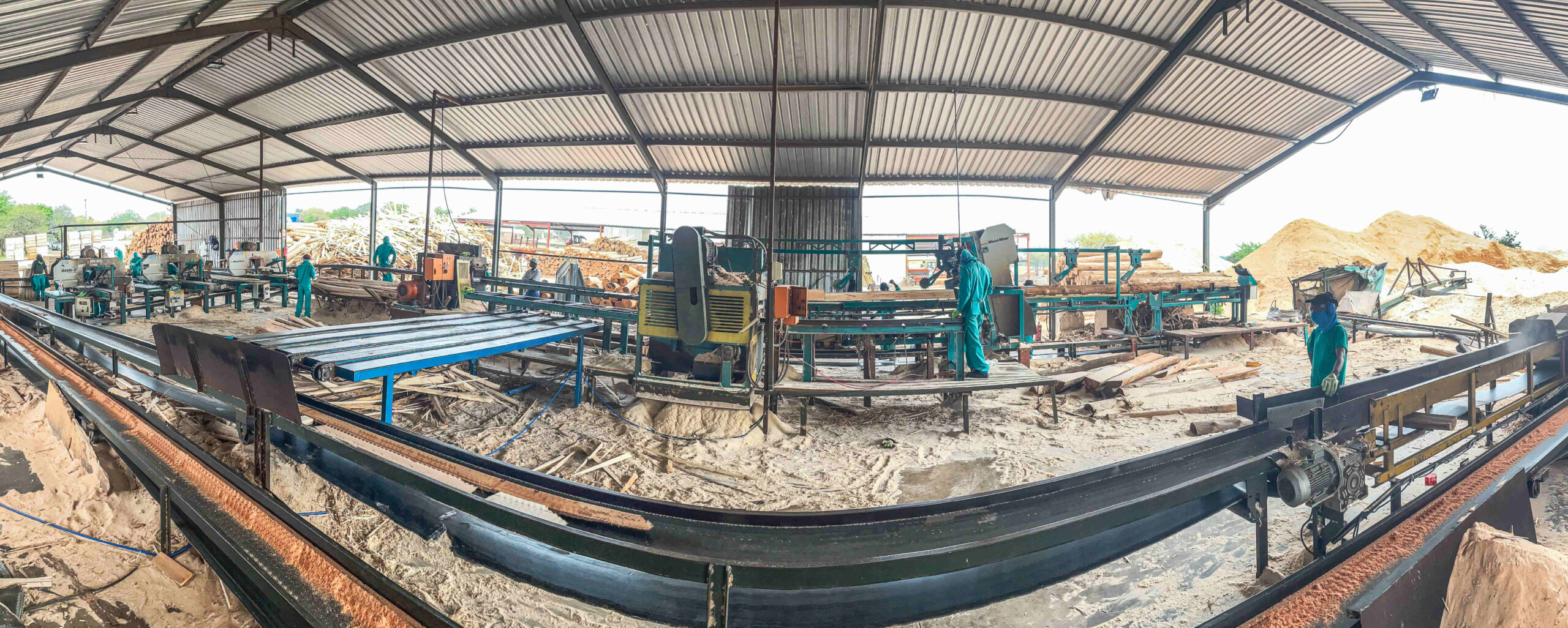
JRM’s smaller-gum line. Logs are broken into two-sided cants on a Wood-Mizer TVS, then ripped before being resawn and recovered on Wood-Mizer resaws.
A final take
It remains a pleasure to walk into a sawmill where the entire process has been carefully analysed and then tweaked to maximise returns.
JRM’s focus on automation with its new line has unlocked levels of efficiency and productivity that were previously unattainable.
Higher recovery rates, reduced energy costs and a safer working environment, where manual labour has been replaced by better-paying jobs, have positioned the company for sustained growth well into the future.
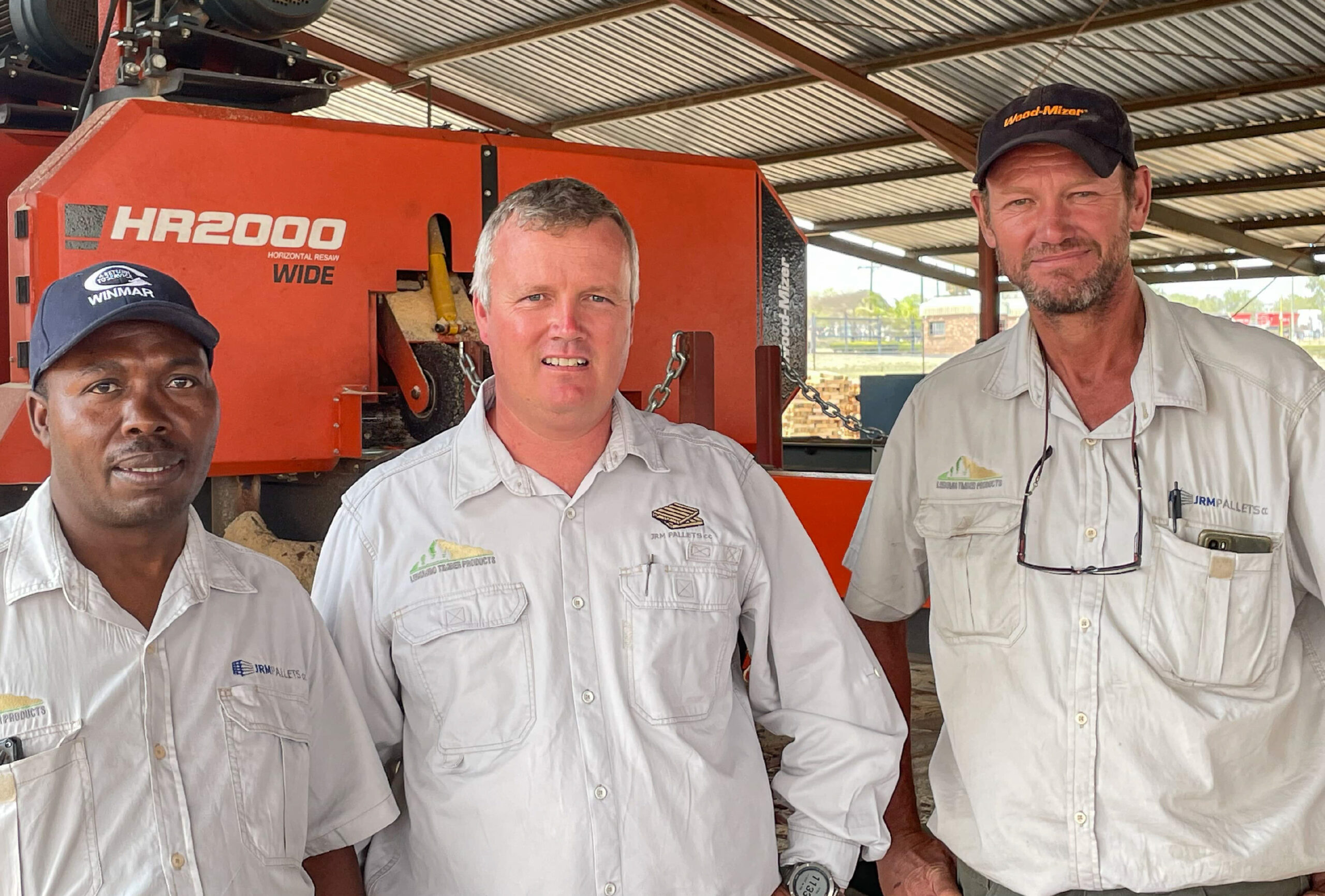
JRM’s team, led by Klaas Ramalema, Jason Mohle and Henry de Beer, works alongside the company’s 93 other employees to drive its continued success.
Related Posts