Food security: Women fighting climate change
woman 1
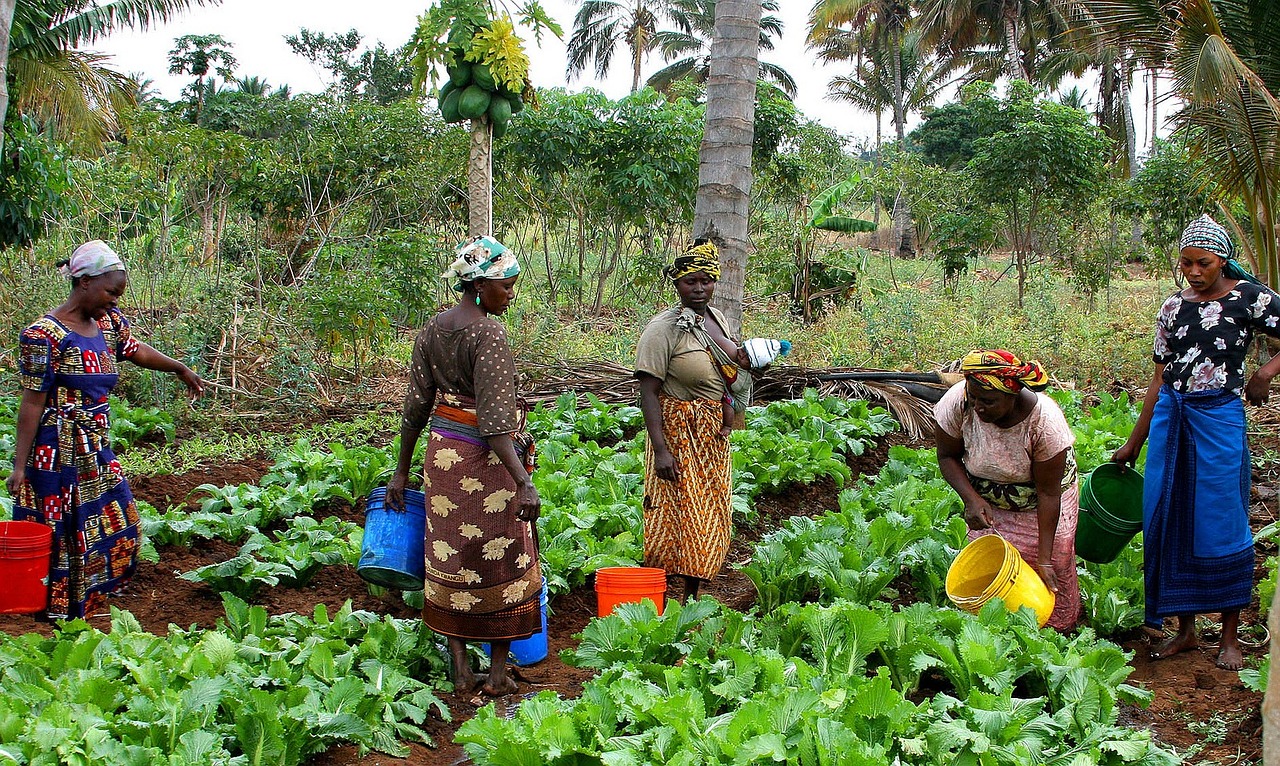
In most countries in Africa, women are responsible for growing crops and raising livestock on the family’s smallholder farm, while also taking care of children, the sick and elderly. (Source: Pixabay)
Women’s role in agriculture in Africa
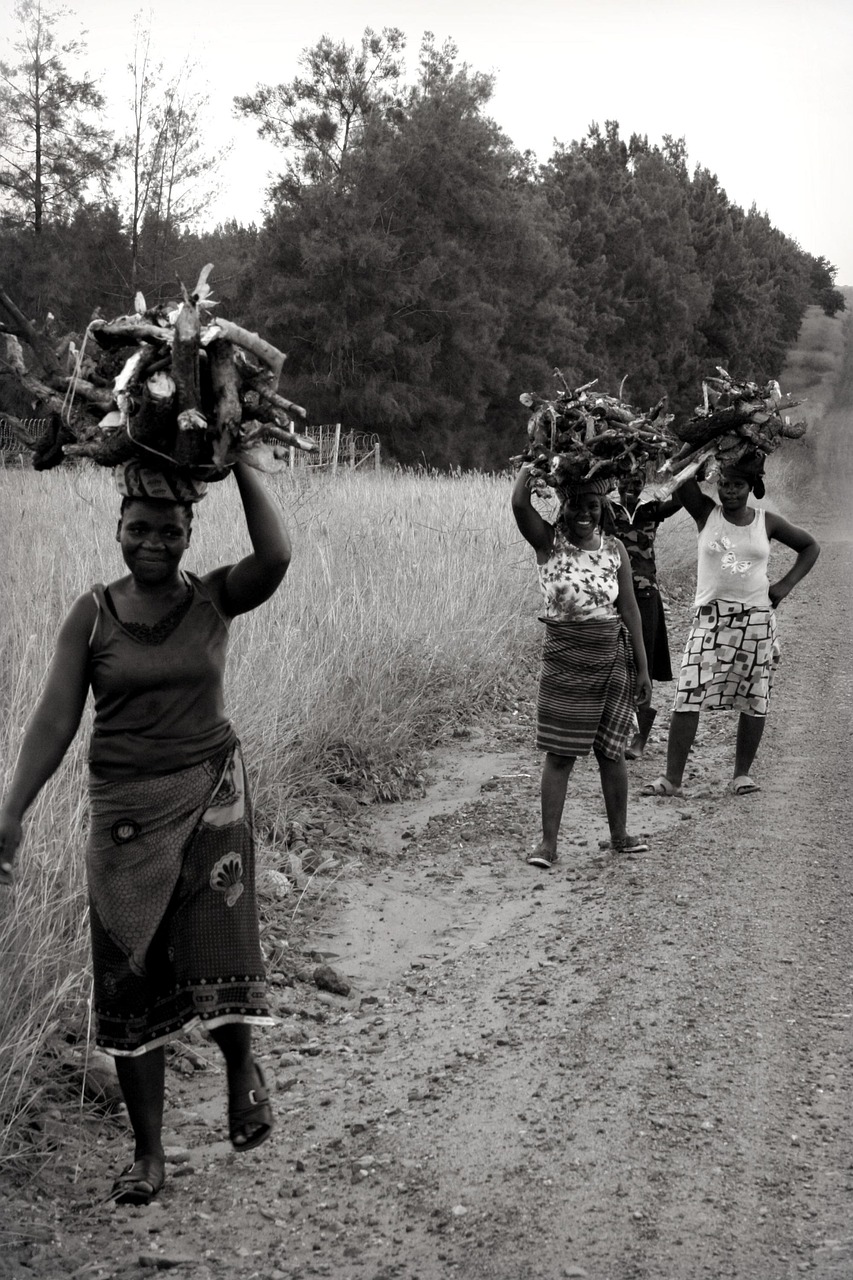
Most of the world’s poor people live in rural areas where they depend on agriculture for their livelihood. In most countries in Africa, women are responsible for growing crops and raising livestock on the family’s smallholder farm. Women not only work the land to provide food, tend to the animals, fetch water and firewood, cook and clean, but are usually also the primary caregivers for children, the sick or elderly.
Their fragile livelihood is therefore extremely vulnerable to climate change, with droughts and floods increasingly influencing productivity from crop and livestock, fish stocks in lakes, streams and rivers, as well as the forests production system. Food security is a very real threat to lives because when less food is produced, the families go hungry and suffer malnutrition. The environment also suffers as the climate becomes drier, water sources diminish, and the nutrients is soil becomes depleted. Developing the potential to increase the productivity and incomes from smallholder farming is key to achieving food security.
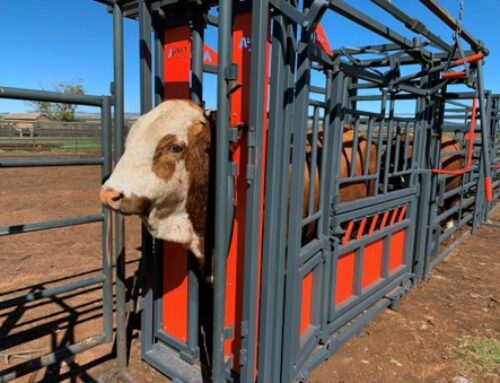
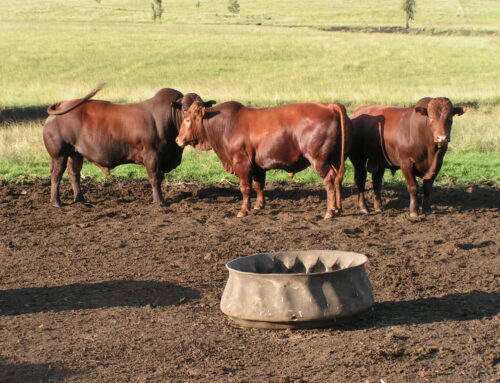
Climate Smart Agriculture (CSA)
Climate Smart Agriculture is an approach that includes different elements of local regions and refers to actions both on and beyond the farm, and include technologies, policies, institutions and investment.
Different elements include:
• Management of farms, crops, livestock, aquaculture and capture fisheries in such a way that near term food security and livelihoods needs are balanced with priorities for adaptation and mitigation.
• Ecosystem and landscape management to conserve ecosystem services like water, soil and biodiversity that are important for food security, agricultural development, adaptation and mitigation.
• Services for farmers and land managers provided by government, the private sector and donors to enable better
management of climate risks and mitigating activities.
• Changes in the wider food system to include measuring demand and value chain interventions to enhance the benefits of CSA.
Green economy
Scientists say a number of things need to happen to help women survive, and flourish despite these challenges. The
Green Economy and climate-smart agriculture hold the answers, but a gender transition is also required. A green economy will help women cope better with climate change without damaging the environment.
It demands that people use fewer resources to create more. To cope, women need to learn new skills, called green skills, which can help them be more productive, especially in agriculture, energy, manufacturing and processing. These green skills include climate smart agriculture, which not only makes the most of the available resources while creating jobs for women and the youth.
This include new technology like drip irrigation or growing crops that are more drought resistant. Also, the youth could learn to install and maintain solar panels to run drip irrigation.
Don’t know what climate change means
Four in 10 Africans don’t know what climate change is, even when they have experienced changing weather pattens, devastating floods and severe droughts. Even those who have heard about climate change, do not readily make the connection to adverse weather conditions. These include mostly people working in agriculture, rural residents, women, the poor and the less-educated.
But women don’t need to start from zero: they already know traditional practices to take care of the environment. Even without always understanding what climate change is, these women have been taught by their elders who pass on knowledge gained over generations of practice of that is locally relevant. They are resilient and find ways to, for instance, provide food security through rain-harvesting, seed banks and seed sharing.
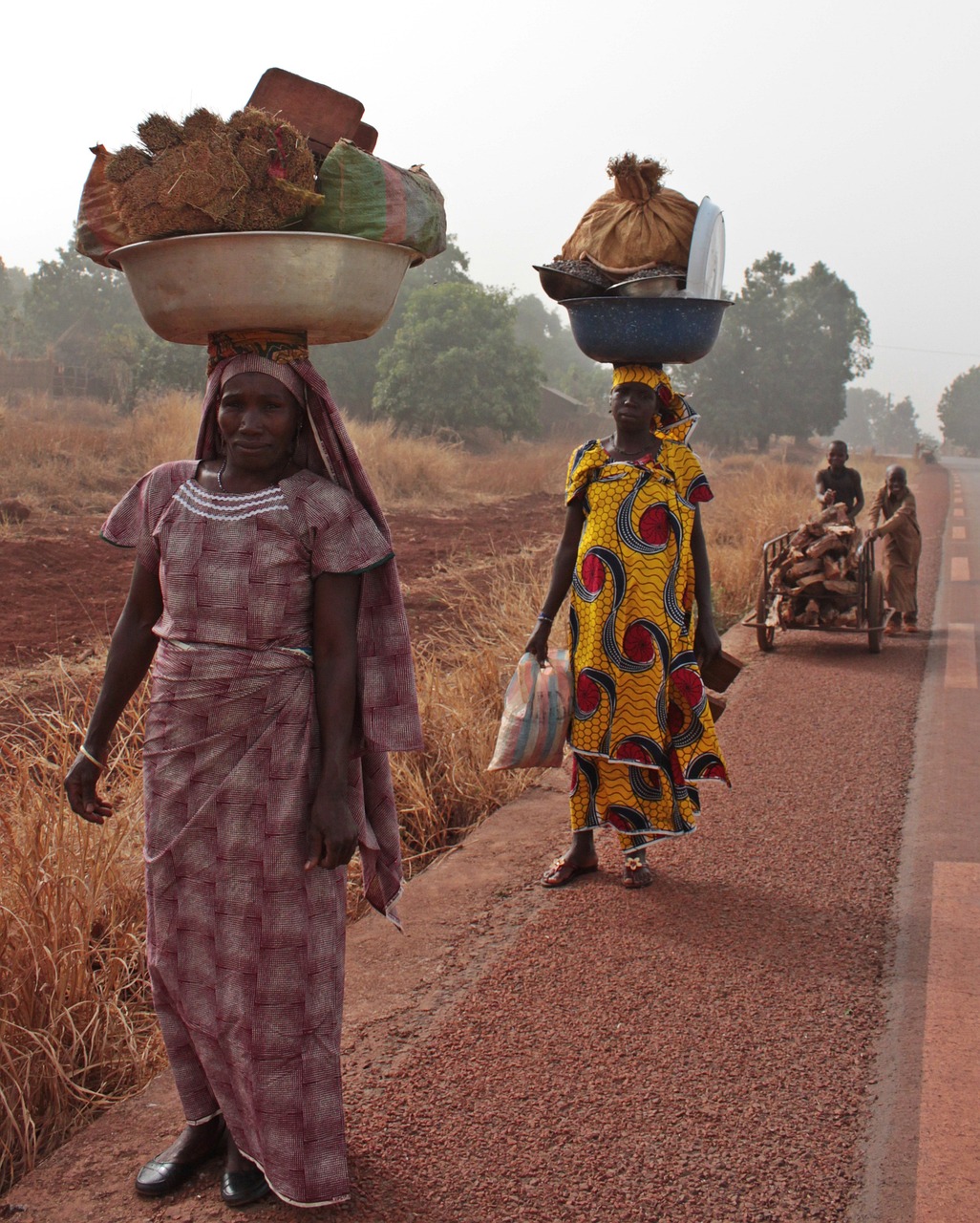
Women need access to finance, technology and markets to help them run a viable agribusiness and create jobs. (Source: Pixabay)
Green reskilling
Training that provides more knowledge will help them cope better with changing weather patterns as a result of climate change that causes earth warming. Women are more likely to adopt sustainable practices and influence their peers. It would greatly benefit communities if they were equipped with tech-enabled skills, the tools of the Green Economy. Governments and development partners should design programmes that prioritise gender equity, especially for rural, disabled or marginalised women and these green reskilling should form part of national climate strategies, education and employment programmes.
The only way for these women to survive climate change and thrive is to teach them the following:
• Natural asset management skills to identify, evaluate and conserve forests, water sources and soil, as these are the cornerstones of balancing farming with the environment, especially if the climate gets hotter.
• Low-carbon industry support skills are needed to lower greenhouse gas emissions by using renewable energy and sustainable manufacturing.
• Climate-resilient skills will help communities to adapt to climate change by growing droughtresistant crops or building infrastructure that can remain standing in floods.
• Resource-efficient skills will enable women to use natural resources wisely to reduce waste and cost, for instance, through recycling and water saving.
Green digital skills
Women also need to know more about
• Green digital and marketing skills, which will help them to use digital platforms to market their ecofriendly products and services;
• Digital green monitoring and inspection skills, like sensors and data analytics, can help them track environmental changes and, in addition, ensure that climate policies are being followed;
• Digital green agricultural skills include the use weather apps, precision agriculture and accessing information by cell phone. This will help them to reduce the risk f climate damage and increasing crops;
• Digital green communication skills will enhance the use of digital media to spread environmental awareness and influence behaviour.
Policy changes
African countries should expand policies to include green-focused education and training, as well as policies that are gender-responsive to ensure women are not left behind. Investments in green education and training should combine digital access in the local language in a practical, community-based form. Women also need access to finance, technology and markets to help them run a viable business and create jobs. Partnerships among governments, private sector, institutes of learning and civil society will ensure coordinated action, shared knowledge
and sustained support for women who lead climate innovation.
When women acquire green skills, the communities will become more resilient to climate change, which will speed up adapting climate smart agriculture and inclusive economic growth.
“Green reskilling is not just about training – it is about transformation,” as one study so aptly put it.
Source references
Adeola, O., Ngare, I., Evans, O. (2025) African women are key to fighting climate change – these are the green skills they will need The Conversation https://theconversation.com/africanwomen-are-key-to-fighting-climatechange-these-are-the-green-skillsthey-will-need-256639
Climate-Smart Agriculture Food and Agriculture Organisation (FAO) https://www.fao.org/climate-smartagriculture/overview/en/Eden
Glazebrook, T., Noll, S., Opoku, E. (2020) Gender Matters: Climate Change, Gender Bias, and Women’s Farming in the Global South and North Agriculture 2020, 10(7), 267; https://doi.org/10.3390/agriculture10070267 https://www.mdpi.com/2077-0472/10/7/267
Selormey, E.E., Dome, M.Z., Osse, L., Logan, C. (2019) Change ahead Experience and awareness of climate change in Africa Afrobarometer Policy Paper No. 60 | August 2019 https://www.afrobarometer.org/wp-content/uploads/2022/02/ab_r7_policypaperno60_experience_and_awareness_of_climate_change_in_africa.pdf
Taylor, J., Valodia, I., Lehmann-Grube, K., Cook. S., Cerise, S. (2024) Climate change: women’s role in the economy is key to a just transition The Conversation https://theconversation.com/climate-change-womens-role-inthe-economy-is-key-to-a-justtransition-243189
UNEP, 2011, Towards a Green Economy: Pathways to SustainableDevelopment and Poverty Eradication – A Synthesis for Policy Makers, www.unep.org/greeneconomy https://sustainabledevelopment.un.org/content/documents/126GER_synthesis_en.pdf
Related Posts