Choose the correct pole for your project, choose LCTT

GR-1
Timber poles are more reliable, flexible and cost effective than cement poles.
Starting a new project comes down to planning. The better you plan, the more smoothly the project will run. One of the first decisions you need to make is whether to use cement poles or timber poles. This is an important choice, as the success of your project can depend on the material you select for your foundation.
The wrong choice can lead to premature rot, structural failures and, ultimately, having to pay twice for labour and materials.
When making your choice, it is important to keep in mind whether your poles are strong enough to handle the weight, wind and wire tension without snapping, bending or leaning; whether your poles are protected against rot and termites, especially when poles are in direct contact with the ground or planted in damp or pest-prone soil. Lastly, consider their lifespan: if you plant it today, can you expect it to last 20 years or more without it requiring regularly costly repairs.
Today, we look at why treated timber, and Low’s Creek’s treated timber poles in particular, will not only save you money but could save your entire project.
While cement poles are often marketed as a permanent solution, seasoned farmers and contractors know that properly treated timber poles offer distinct practical, structural and financial advantages in the field.
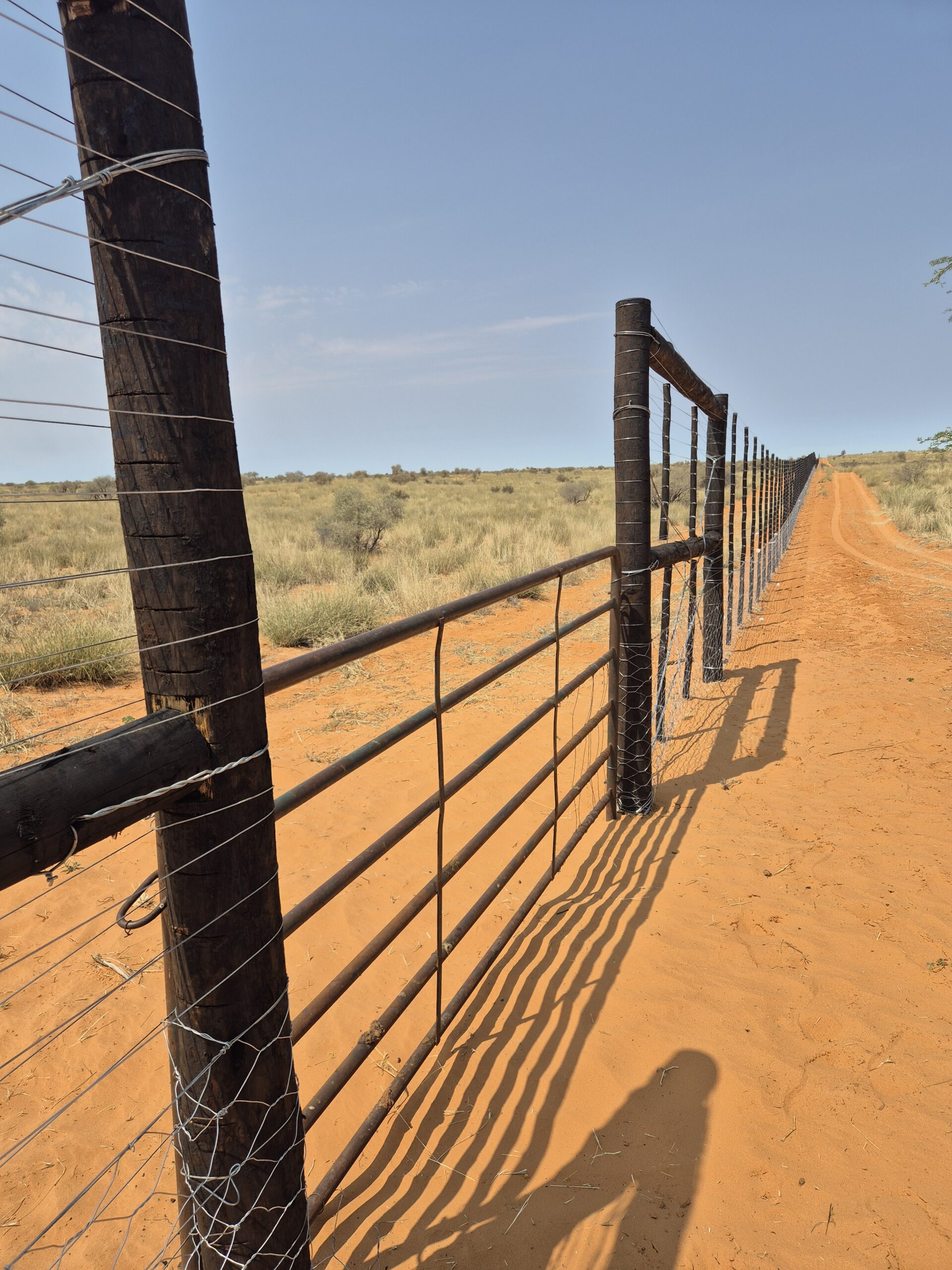
Timber poles are more flexible for areas where animals and tractors can come into contact with them.
More flexibility and impact resistance
Cement is a rigid and brittle material. This means that when an animal leans against a fence, a tractor clips a corner post, or high winds put sudden tension on a trellis line. Cement poles have zero flexibility which can lead to cracking, snapping or crumbling upon impact.
Wood fibres naturally absorb shock and flex under pressure before returning to their original position. On working farms, where livestock pressure and machinery contact are daily realities, treated timber bends rather than breaks.

Cement poles are heavy to transport and move.
Easy to manoeuvre
Cement poles are also exceptionally heavy, which can drive up costs even before the first pole is planted. You can load significantly more timber poles onto a truck than cement poles, saving on diesel, transport costs and time.
The lighter treated timber poles also allow teams to unload and plant them more quickly, with less physical strain and without the need for heavy-duty lifting equipment.
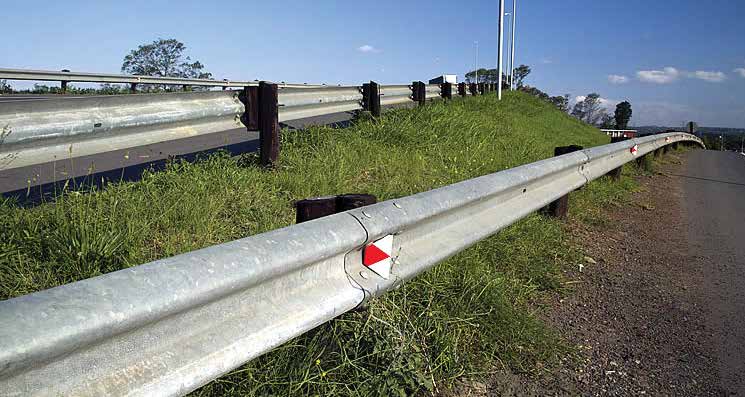
Timber poles can be moved quickly and is lighter to carry.
Installation and set-up are a breeze
Securing wire, droppers, gates or netting to a cement pole requires pre-cast holes (which rarely line up where you need them), specialised brackets and time-consuming drilling that risks cracking the concrete.
With timber poles, fencing staples, nails, coach screws and brackets can be driven directly into the pole at any height or angle, cutting installation and maintenance time in half.

Cement poles can crack and moisture can seep into the cracks.
Built for unpredictable weather
South African soils expand and contract between the drier winters and heavier summer rains. When this ground starts shifting, cement poles are prone to developing stress fractures. Once a hairline crack forms, moisture seeps in and causes the internal steel reinforcement to rust, resulting in the concrete failing from the inside out.
While pressure-treated timber (typically CCA- or creosote-treated to SANS standards), on the other hand, is protected deep into the wood’s cell structure against fungal rot and termites. It also moves naturally with shifting soils without losing its structural integrity.
The real cost
When calculating the actual cost of cement poles, you must factor in breakages during transport, slower installation times and full-pole replacements when a pole snaps. Treated timber has a lower initial cost, can be erected more quickly and offers a very long service life.
The bottom line is that your project is only as strong as the poles that form its foundation. By choosing Low’s Creek Treated Timber, you get a product engineered for African conditions that will extend the life of your project.
Want to learn more about the procedures and quality of LCTT’s timber poles? Visit the company website at www.lctt.co.za
Related Posts