Africa in Focus

damian-patkowski-T-LfvX-7IVg-unsplash
Agricultural news, innovations and opportunities from across the continent
Africa’s agricultural landscape is changing. From satellite technology helping farmers manage irrigation to investments in food processing and the growing demand for export crops, new developments are creating opportunities for farmers, agribusinesses and agricultural suppliers.
In this edition of Africa in Focus, we take a closer look at six countries making strides in agricultural development and explore what these changes could mean for the future of farming on the continent.
Around Africa: Agricultural news briefs
Six countries. Six developments. One continent full of agricultural potential.
Angola | Investing in a greener economy
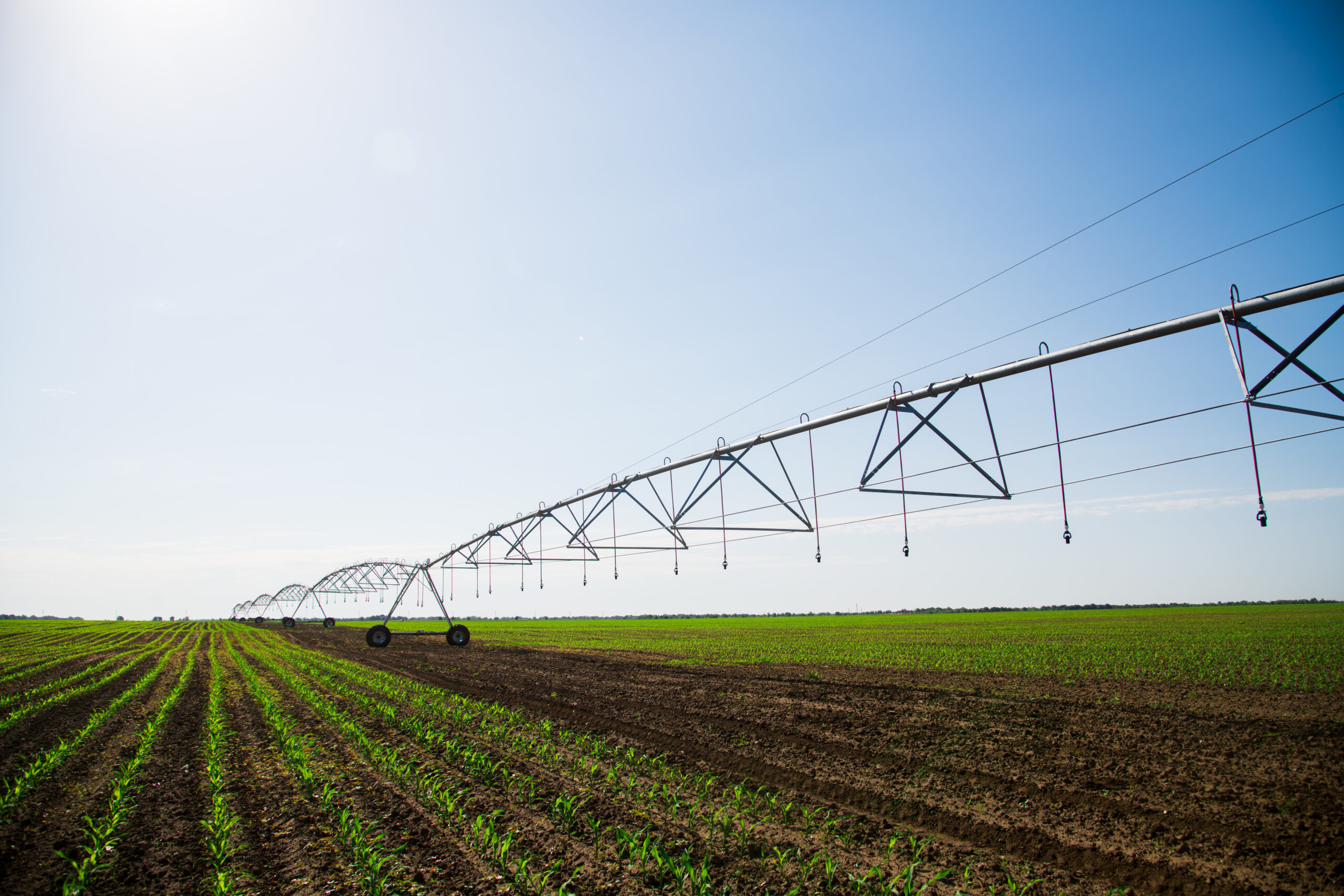
Angola is taking steps to reduce its dependence on oil by strengthening its agricultural sector. An agricultural development initiative announced by the African Development Bank in August 2026 aims to support approximately 240 000 households in eastern Angola, focusing on crops such as wheat, rice, cassava, coffee, cocoa and oil palm.
Irrigation development is also gaining momentum. New infrastructure in Cuanza Norte covers approximately 626,5 hectares and is expected to benefit more than 3 000 farming families.
These investments could create opportunities for agricultural mechanisation, irrigation equipment suppliers and businesses involved in crop production and processing.
Why it matters: Angola’s agricultural expansion could help reduce food imports while opening new markets for agricultural equipment and services.
Mozambique | Better harvests begin with healthier soil
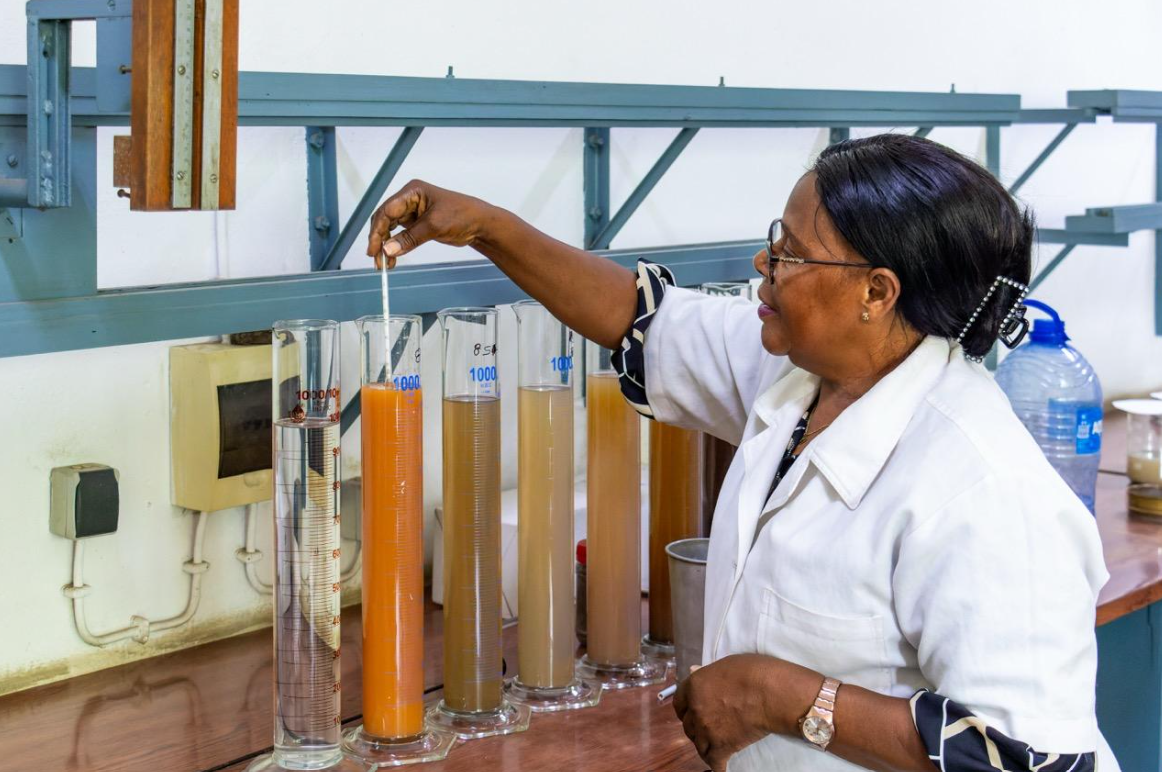
What happens beneath the soil surface could hold the key to better harvests in Mozambique.
In August 2026, the Food and Agriculture Organization (FAO) highlighted the work of scientists at Mozambique’s Agricultural Research Institute (IIAM), where laboratory teams analyse nearly 100 soil samples daily.
By examining soil fertility, nutrient availability and other characteristics, researchers can help farmers make better decisions about crop selection, fertiliser application and soil management.
Meanwhile, initiatives in Nampula are supporting farmer groups in improving agricultural production and access to markets.
Why it matters: Better soil information can help farmers avoid unnecessary input costs, use fertiliser more effectively and improve productivity.
Namibia | Farming technology reaches for the stars

Could satellites help Namibian farmers make every drop of water count?
Researchers at the Namibia University of Science and Technology are exploring exactly that through the SISMaT project, which combines satellite observations with machine learning.
The research, highlighted in September 2026, focuses on improving irrigation scheduling and forecasting maize yields in the Tsumeb-Otavi agricultural region.
By using satellite imagery and agricultural data, researchers hope to provide information that can help farmers make more informed decisions about when and how much to irrigate.
Why it matters: In a water-scarce country such as Namibia, precision irrigation could help farmers use limited water resources more efficiently while protecting crop yields.
Nigeria | Adding value beyond the farm gate
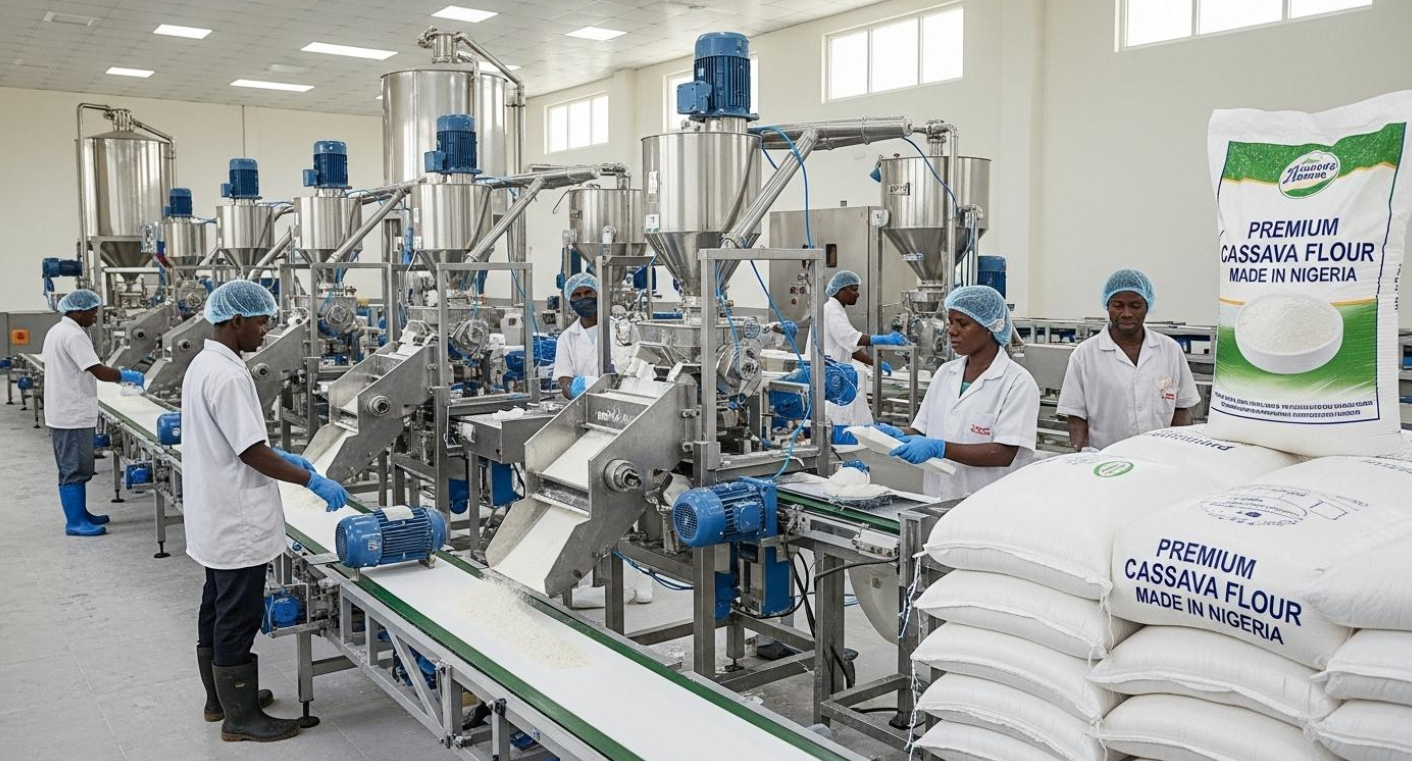
Nigeria is looking beyond crop production to strengthen the businesses that turn agricultural harvests into marketable products.
A US$500 million World Bank initiative announced in March 2026 aims to improve agricultural value chains, with rice, maize, cassava and soybeans among the priority crops.
The focus includes post-harvest handling, processing facilities and improved access to markets.
For farmers, stronger processing industries could create additional buyers for their produce. For agribusinesses, the initiative highlights opportunities in storage, transport, milling, packaging and food manufacturing.
Why it matters: Processing crops closer to where they are grown can reduce post-harvest losses, support rural employment and increase the value generated by agriculture.
Tanzania | Avocados become green gold
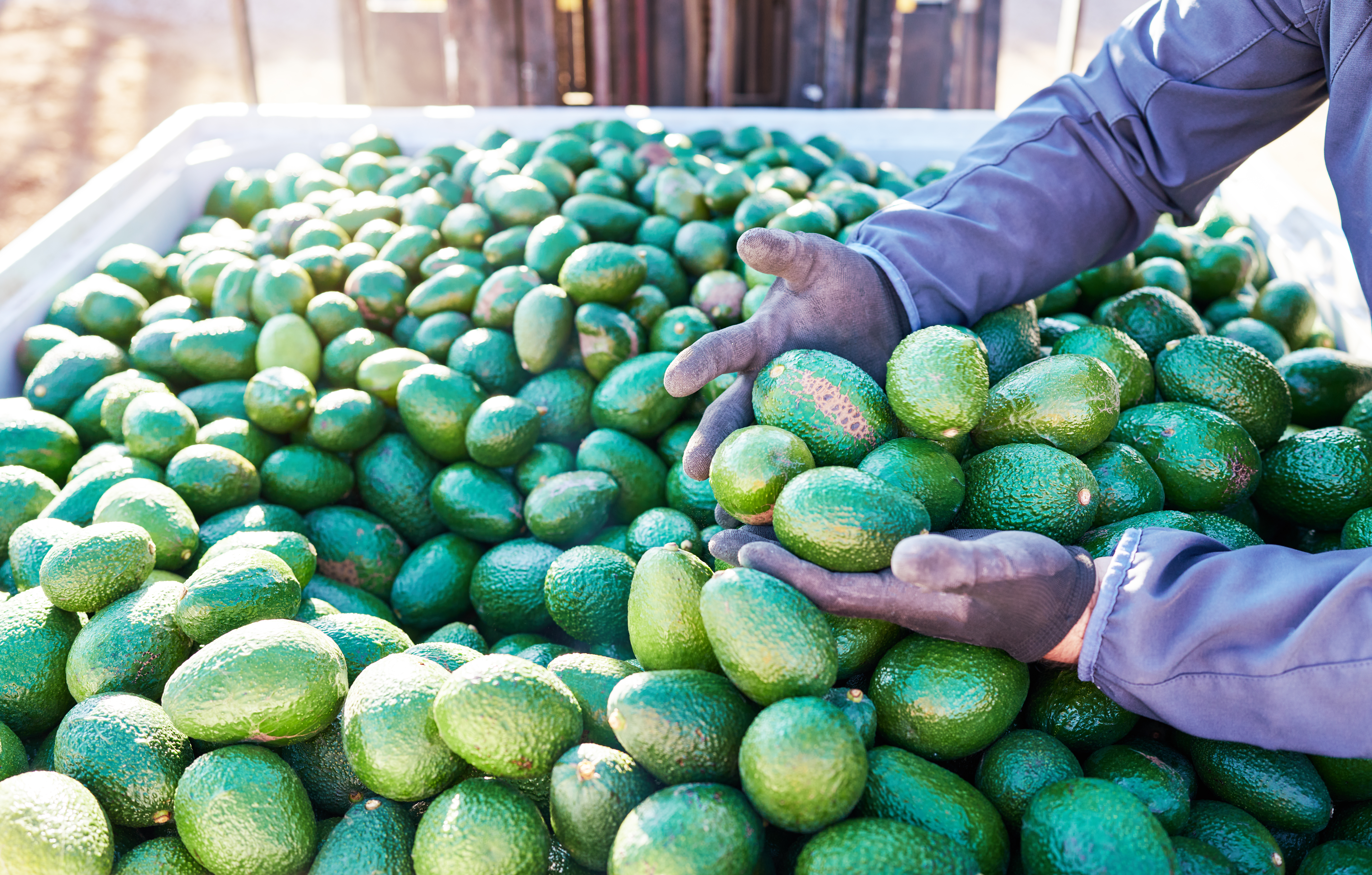
Tanzania’s avocado industry is attracting growing attention as producers seek to expand their presence in international markets.
In September 2026, Tanzania and the FAO agreed on measures to strengthen the country’s avocado value chain, with particular emphasis on fruit quality, irrigation, harvesting practices and export certification.
However, meeting international standards remains a challenge. One exporter reported that only around 40% of the fresh fruit it handles currently meets export requirements.
Improving orchard management, handling and quality control could help more producers gain access to higher-value markets.
Why it matters: Growing export demand presents opportunities for avocado farmers, but consistent quality, reliable logistics, and certification will be essential for success.
Zambia | A new approach to vegetable production
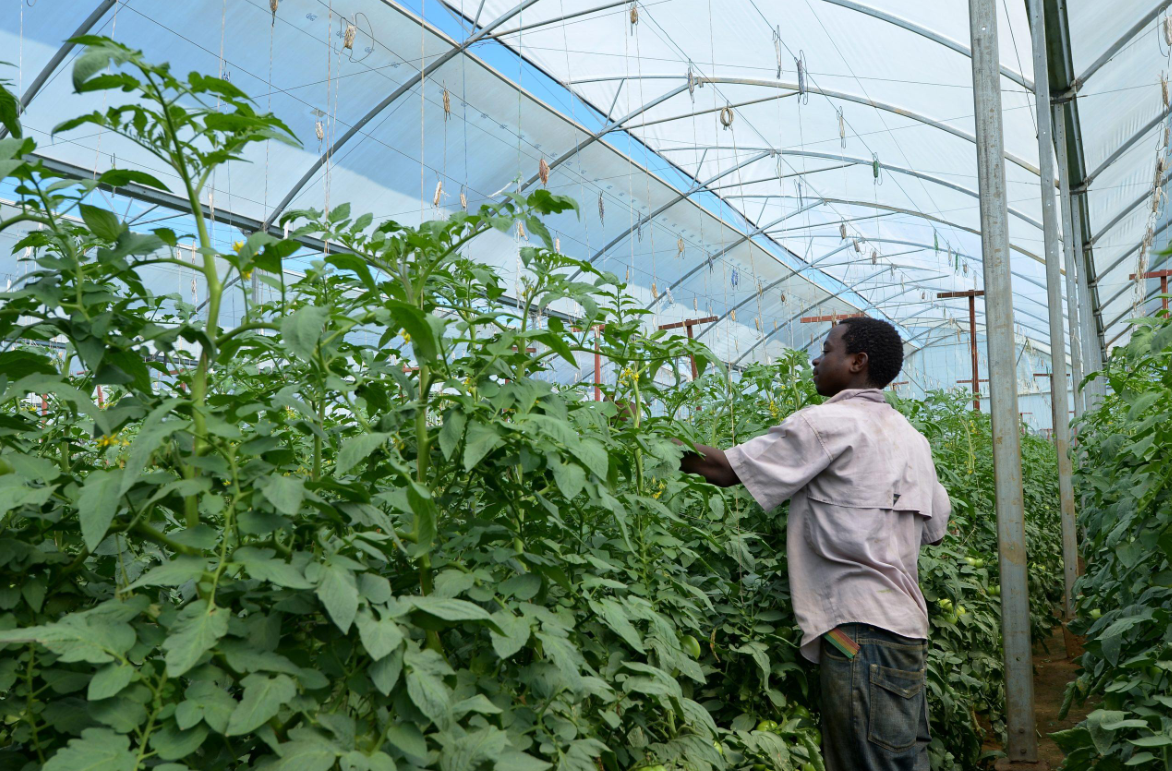
Zambia is exploring how protected agriculture could help farmers produce more with limited resources.
Through the Smart Farming for Sustainable Livelihoods Project, farmers are receiving training in protected horticulture, including production methods that offer greater control over growing conditions.
A planned Centre of Excellence is expected to provide practical demonstrations and training in modern agricultural techniques.
Irrigation infrastructure is also expanding. The Malombe centre-pivot irrigation scheme, launched in May 2026, is intended to serve 73 farming households.
These initiatives could help farmers improve vegetable production, manage water more efficiently and reduce some of the risks associated with unpredictable weather.
Why it matters: Protected cultivation could create opportunities for more consistent vegetable production, although investment costs and technical skills remain important considerations.
Africa’s agricultural developments at a glance
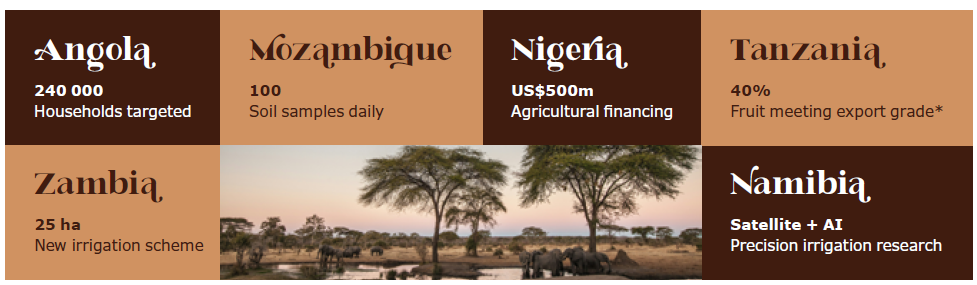
*Figure reported by one Tanzanian exporter, not a national average.
African Development Bank. (2026, 19 August). Angola: Government and African Development Bank Group launch project to stimulate agricultural productivity in eastern Angola. https://www.afdb.org/en/news-and-events/angola-government-and-african-development-bank-group-launch-project-stimulate-agriculture-productivity-eastern-angola-96251
Food and Agriculture Organization of the United Nations (FAO). (2026, 1 September). The science behind Mozambique’s soils. https://www.fao.org/newsroom/story/the-science-behind-Mozambiques-soils/en
Namibia University of Science and Technology (NUST). (2026, 4 September). In the field for smarter farming. https://www.nust.na/field-smarter-farming
World Bank. (2026, 30 March). Nigeria: World Bank approves project to expand agricultural value chains and jobs. https://www.worldbank.org/en/news/press-release/2026/03/31/nigeria-world-bank-approves-project-to-expand-agricultural-value-chains-and-jobs
Food and Agriculture Organization of the United Nations (FAO). (2026, 1 September). Tanzania agrees on action plan to strengthen avocado value chain. https://www.fao.org/tanzania/news/detail/tanzania-agrees-on-action-plan-to-strengthen-avocado-value-chain/en
United Nations Development Programme (UNDP). (2026, 6 May). President Hichilema commissions Malombe irrigation under Green Climate Fund-supported SCRALA project. https://www.undp.org/zambia/press-releases/president-hichilema-commissions-malombe-irrigation-under-green-climate-fund-supported-scrala-project
Related Posts