
Soil

Bacteria have a right to life: The importance of preserving the lives of beneficial microorganisms
Bacteria can break down pollutants and enhance soil fertility. In bioremediation research conducted by the Microbiology and Environmental Biotechnology Research Group of the Agricultural Research Council (ARC-Soil, Climate, and Water), bacteria and fungi possessing these abilities were isolated and identified. There are also microorganisms that are able to associate[...]

Carbon sequestration: Putting carbon back into the soil
The need to put carbon back into the soil where it belongs instead of being released into the atmosphere as carbon dioxide that contribute to global warming, is very real. There is no time to waste while the world is seeking environmentally friendly alternatives to using fossil fuels as[...]

Erosion control in Malawi Part 4: How to deal with steep slopes
Prevention is always better than cure. This is particularly true about soil erosion, where the slowing down of runoff water on a steep slope can prevent the formation of gullies and deep head-cuts. Figure 1: The manufacture of grass fence sections: 1 – Making the frame and 2 –[...]
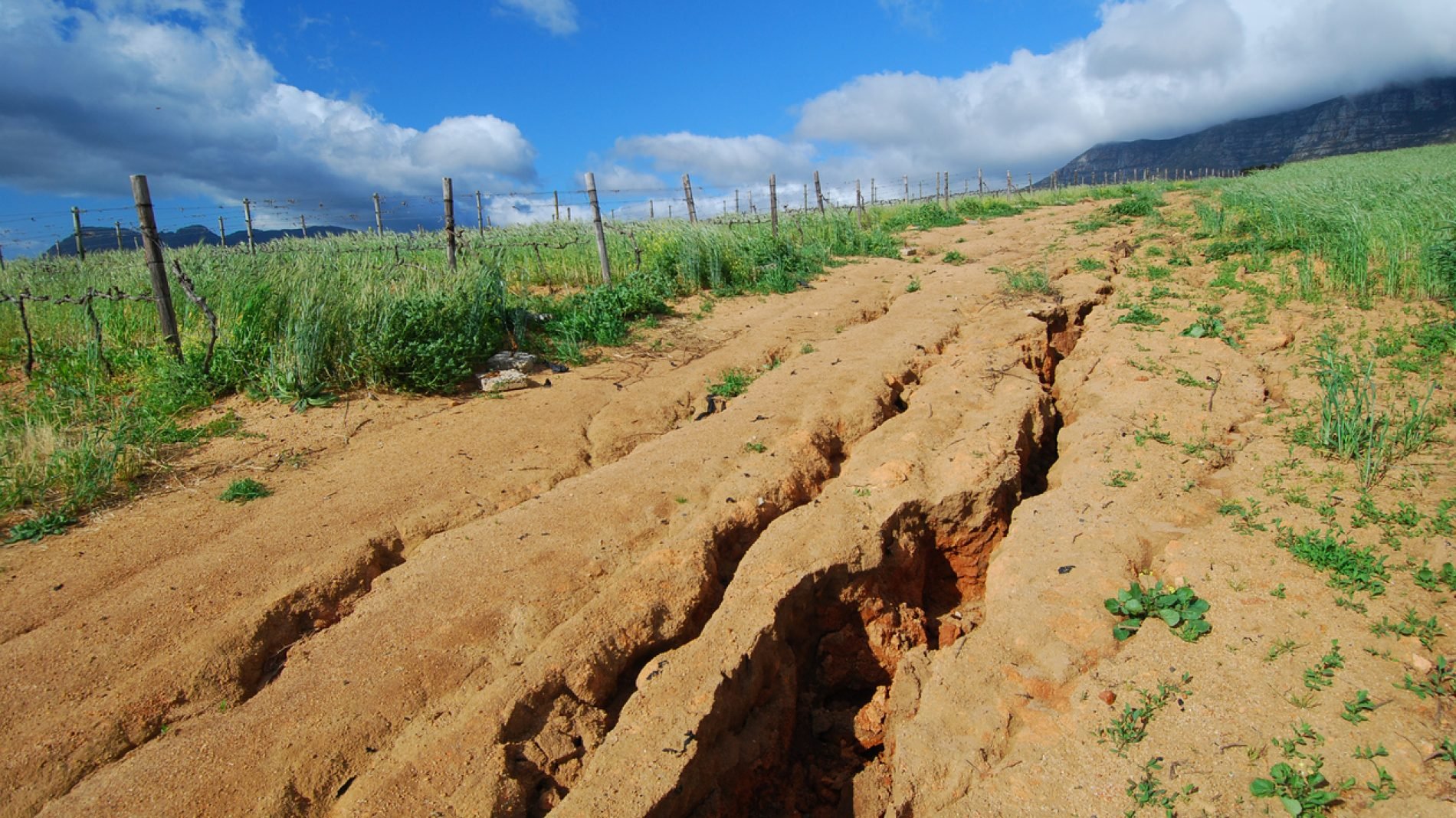
Erosion control in Malawi: Part 2
In the previous issue of ProAgri Zambia and ProAgri BNZ we discussed the use of natural materials that are at hand to help control soil erosion caused by run-off water, whether caused by rain and floods, or excess irrigation water. These methods were used in Malawi by Ken Coetzee[...]

Vegetable planting guide part 4: Peanuts
Nuts and legumes are very good alternative sources of protein that can be utilised in areas where meat is not readily available or too expensive to buy. Cultivating and supplying peanuts, also known as groundnuts, to the local market can be a lucrative business if it is managed correctly.[...]