
Useful tips from Novatek: Aspects to consider when moving dairy cows
novatek 1
by Wiehan Visagie
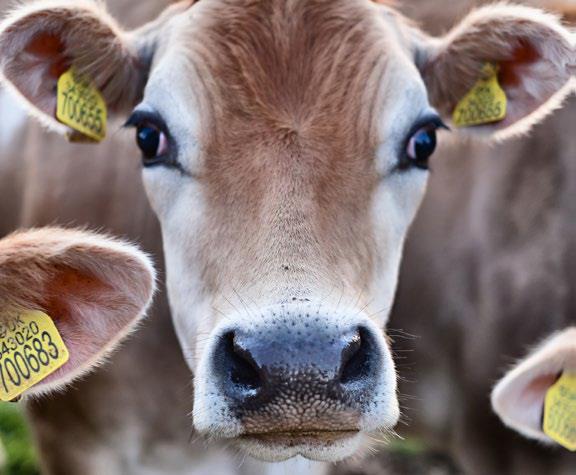
Have you ever wondered how many friends your dairy cow can make? Is it even possible, you may think. According to the latest research, a cow is more than capable of forming new relationships. As part of their investigation of biosecurity on a farm, the University of Minnesota College of Veterinary Medicine studied the behaviour of dairy cows.
They found that cows react differently when placed in different herd sizes. Every time a cow was moved from one group to another or from an old farm to a new farm, the cow reacted differently.Cows placed in small herds struggled to adapt; their condition scores werepoor, they produced less milk, and it took them longer to regain a good level of immunity.
However, cows placed in bigger herds almost never struggled. These cows produced adequate amounts of milk,they hardly ever got sick and during challenging times they retained their body condition scores.The researchers then recommended that a cow should be moved to groups larger than 20 animals, because cows released into smaller groups showed negative behavioural patterns. The competition factor is higher in smaller groups; there is more stress and the cows’ dry matter intake (DMI) was reduced. The decrease in DMI has serious consequences; for example, a dry cow that eats less struggles in the transition phase.
Additionally, it appears that a cow can identify with up to 20 animals but struggles to “make friends” as the group grows larger. This limited identification can be counterproductive. Larger groups of cows prevent the new cow from being suppressed, and the adap- tation period runs more smoothly. In groups larger than 20, no hierarchy can be identified, so these cows do not experience much social stress when they are moved.
The effect on biosecurity
Many factors can affect a farm’s biosecurity, especially when we move a cow from one farm to another. Apart from the socialisation aspect related to herd numbers, the following factors must also be considered:
Origin and number of animals introduced:
As far as is practicable, keep a herd closed. If it is necessary to add animals, use as few sources as possible and limit the number of animals. Check the health status of the animals introduced to prevent the spread of common communicable diseases. And remember a cow’s propensity for forming counterproductive friendships in small groups!
Location and layout of the farm: Predetermine onsite pathways, and move animals on a route that reduces exposure to disease and avoids possible sources of infectious disease.
Water supply sources: Water supplies used for drinking, bathing and cleaning can transmit pathogens to or from animals. Water can be contaminated with waste products such as manure – from wild birds, rodents or native mammals, for example – posing a risk to both animals and staff. Clean water is a non-negotiable requirement for a healthy herd.
Food supply sources: Feed inputs include dry feed (concentrates, hay, grains and seeds) and wet feed (silage, brewer’s grain, Japanese radish and pasture). Feed can carry pathogens and can be contaminated by the raw materials used during production or even when the feed is transported.
You may contact Wiehan Visagie at wiehan.visagie@novatek.co.zm or Marné Visagie at nutritionist@novatek.co.zm for any information on feeding and feeds.
Related Posts


