Shell future-proofing South African agriculture: Farming for 2050 and beyond

Your paragraph text
The African agricultural sector stands at a pivotal crossroads as is in an era defined by climate uncertainty, rapid technological change, and demographic transformation.
The International Monetary Fund (IMF) projects that by 2050, the global population will reach 9.7 billion. Africa alone is expected to account for over 25% of this growth, with South Africa’s population nearing 80 million. These figures present both a profound challenge and an urgent opportunity. They demand new thinking about food security, economic inclusion, and the future of work in rural and urban economies alike.
 |
 |
In this context, Shell South Africa is deepening its commitment to fostering multi-sector collaboration in support of long-term agricultural transformation. Our presence at NAMPO 2025 was not simply a demonstration of products or services, it was a statement of purpose. The future of agriculture requires integrated systems, sustainable partnerships, and a bold reimagining of what growth means. This report captures the perspectives shared during Shell’s thought leadership panel at NAMPO 2025 and outlines the implications for industry, policy, and society.
South Africa’s National Development Plan (NDP) recognises agriculture as a key pillar for inclusive growth, employment, and food security. Achieving the NDP’s goals of creating one million jobs in agriculture by 2030 requires not just commitment but innovation. Partnerships between government, the private sector, academia, and communities are central to this vision. The NAMPO 2025 panel was convened with this collaborative spirit in mind: to explore how we can collectively shape an agricultural system that is resilient, future-ready, and inclusive.
 |
 |
Global institutions such as the Food and Agriculture Organisation (FAO) have warned that food systems are under strain due to climate pressures, urbanisation, and land degradation. In sub-Saharan Africa, these vulnerabilities are intensified by limited infrastructure and capital access. This moment, therefore, calls for leadership that is not only visionary but operational leaders who can drive coordinated action across policy, production, and innovation.
Event overview
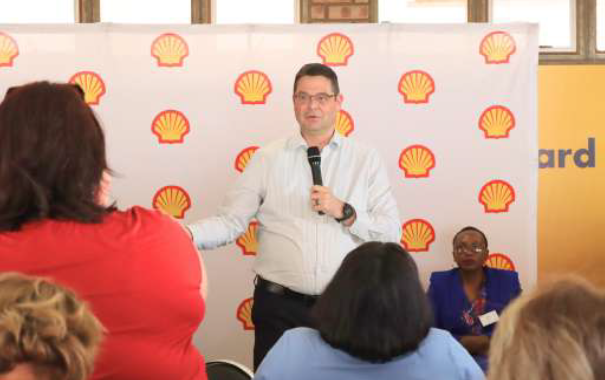
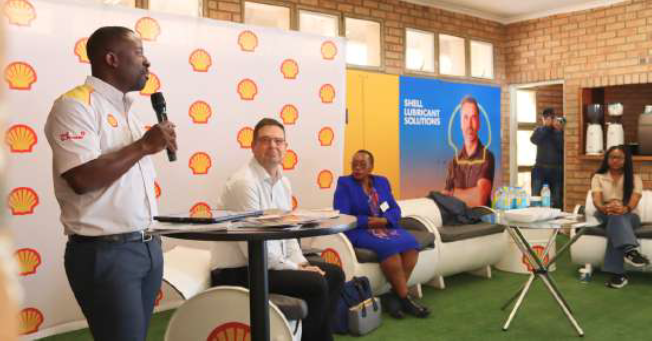
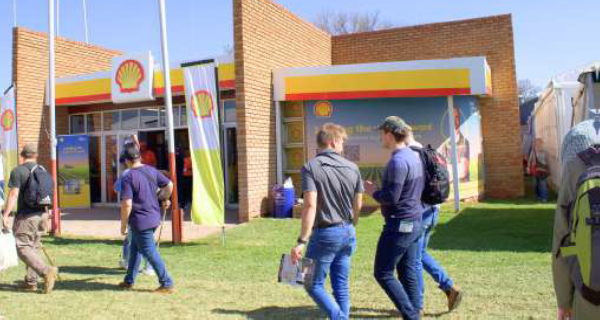
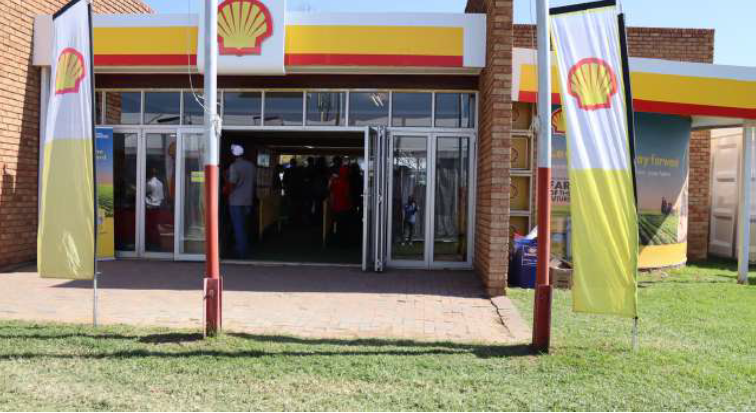
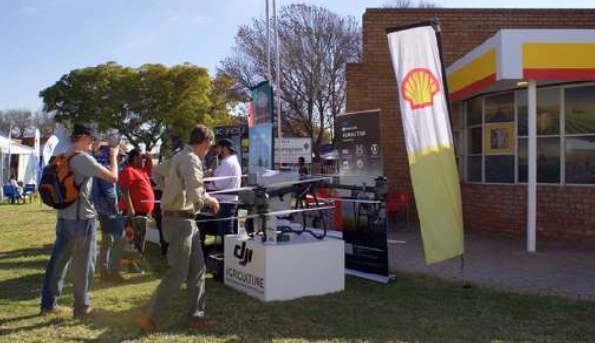
NAMPO Harvest Day remains South Africa’s largest agricultural exhibition, drawing together producers, policymakers, business leaders, and innovators from across the agricultural value chain. In 2025, Shell South Africa hosted a high-level panel discussion under the theme “Future-Proofing South African Agriculture: Farming for 2050 and Beyond”. The session was designed to explore how agriculture could serve as a strategic driver of inclusive economic growth, job creation, and rural transformation.
 |
 |
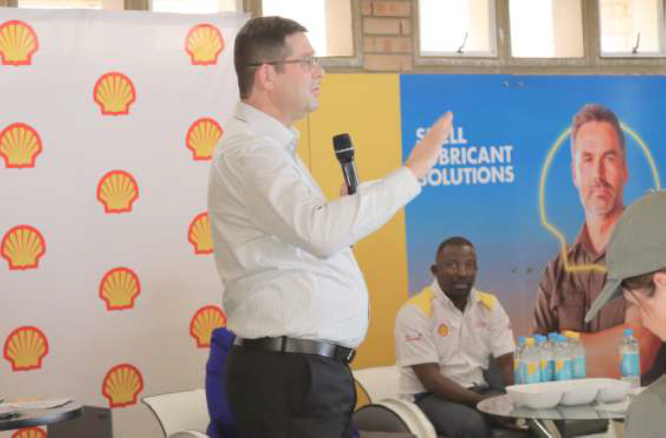
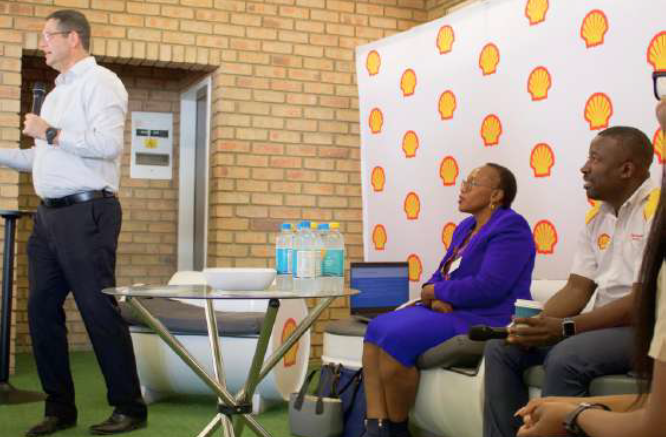
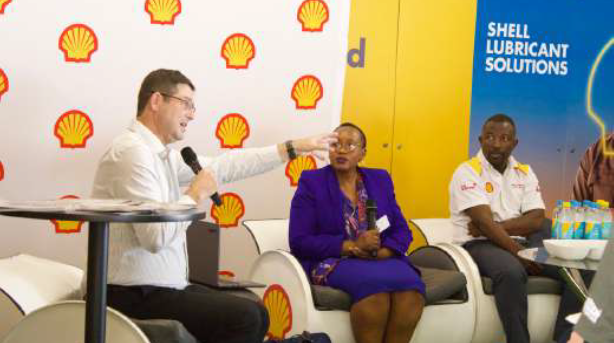
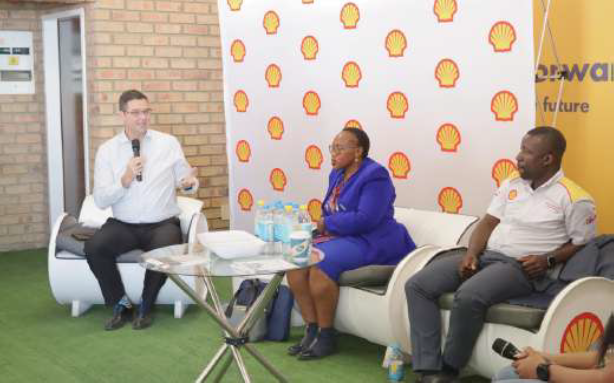
Moderated by futurist Dr. Graeme Codrington, the panel brought together:
- Aluwani Museisi, Country Chair, Shell Downstream South Africa
- Thabitha Mokone, Director of Agricultural Economics, Free State Department of Agriculture
- Jordan Chaya, Agricultural Economics Student, University of Pretoria
 |
 |
 |
Framed around the core question: “What is the single biggest change you expect to see in the agricultural sector in 2050?” – the panel focused on four interrelated domains: technological innovation, institutional reform, demographic shifts, and the evolving role of values and policy.
Opening framework: Dr. Graeme Codrington
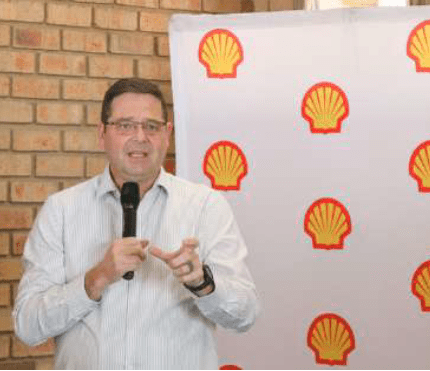
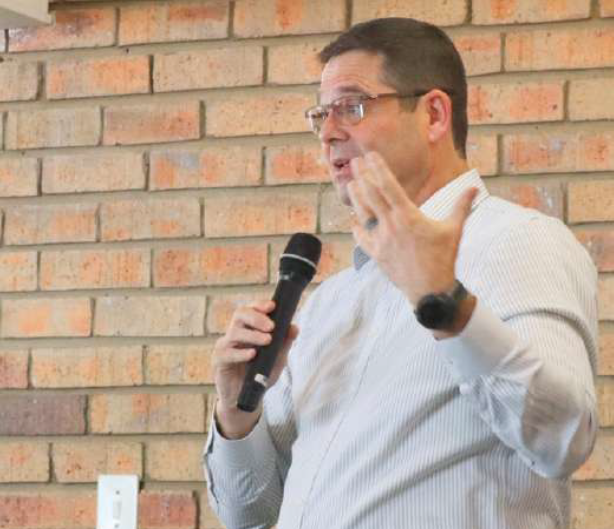
Dr. Codrington introduced the TIDES framework (Technology, Institutional Change, Demographics, Environment, and Social Values) as a strategic model to assess the variables shaping future scenarios. He emphasised that future-readiness involves more than forecasting trends, it demands building adaptive systems capable of responding to compounding disruptions.
 |
 |
The discussion situated agriculture within a broader context of global volatility and local complexity. With Africa’s youth population set to become the world’s largest working-age cohort by mid-century, agriculture must evolve into a dynamic career path, one powered by automation, digital tools, and ecological intelligence. In this view, 2050 is not a distant marker but an urgent horizon requiring action now.
 |
 |
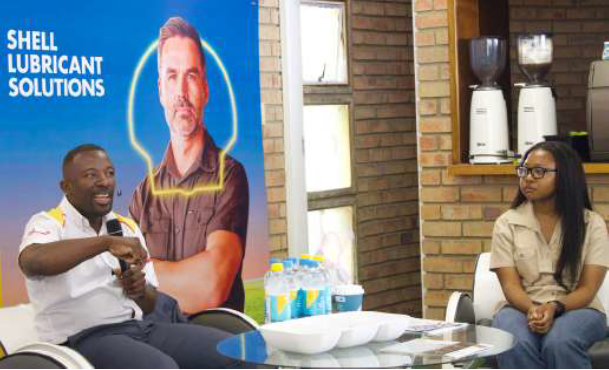
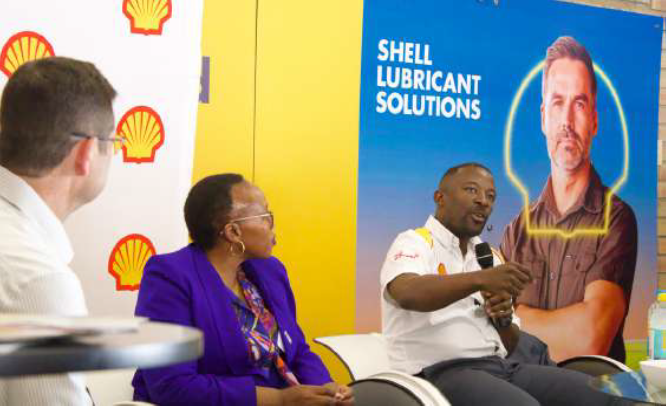
Business perspective: Aluwani Museisi
Mr. Aluwani Museisi articulated Shell’s evolving interest in the agricultural sector, noting that the company’s role is increasingly centred on enabling economic ecosystems. He discussed the strategic overlap between agriculture, energy, and infrastructure, positioning Shell not as an external observer but as a collaborative actor capable of unlocking shared value.
 |
 |
From Shell’s standpoint, agriculture is not an isolated sector – it is an entry point into conversations about urban planning, smart mobility, and energy justice. As South Africa moves toward a low-emissions economy, Shell is developing cleaner, more efficient solutions that integrate agricultural production with sustainable logistics and decentralised power.
 |
 |
The Shell farming programme in the Eastern Cape was cited as a case study in youth-led agrienterprise development. The programme connects emerging farmers with training, inputs, and market access, helping them scale sustainably. For Museisi, the biggest anticipated shift by 2050 is the mainstreaming of integrated agricultural platforms – digitised, low-carbon, and linked to broader development goals.
Public sector perspective: Thabitha Mokone
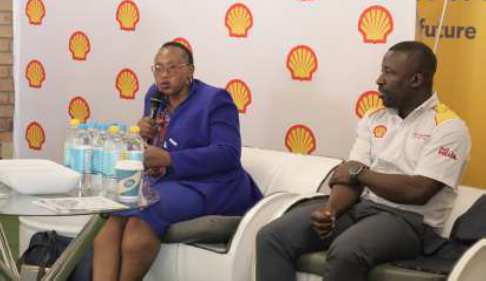
Representing the Free State Department of Agriculture, Thabitha Mokone offered a comprehensive policy and institutional analysis. She described how legacy systems,including manual recordkeeping and fragmented data, continue to impede the pace of reform. Despite policy ambitions, she noted, the lack of interoperability and timely information undermines service delivery.
 |
 |
Mokone advocated for a digital-first approach to governance, where artificial intelligence and big data can support predictive planning and equitable resource distribution. In her view, government must transition from being a regulator to an enabler, curating innovation rather than merely responding to it.
 |
 |
She also addressed curriculum alignment, noting that agricultural education must be recalibrated to produce graduates capable of working within a data-driven, sustainability-focused economy. The most consequential shift by 2050, in Mokone’s view, will be the digital transformation of agricultural institutions, making them more responsive, transparent, and accountable to stakeholders across the food system.
Youth and academic perspective: Jordan Chaya
Jordan Chaya provided insight into the future of agriculture from the vantage point of a student and emerging sector leader. She emphasised the critical intersection of food security, demographic growth, and climate change. In her analysis, the next 25 years will be defined by how effectively countries like South Africa can align agricultural innovation with population dynamics.
Chaya stressed the need to move beyond traditional models of land ownership and cultivation. She advocated for vertical farming, digital cooperatives, and resource-sharing platforms as mechanisms to address land scarcity and systemic exclusion. The future of farming, she argued, lies in leaner, technology intensive models that reduce environmental strain while increasing output.
 |
 |
 |
She also highlighted the importance of bridging generational and gender divides. Young people, particularly young women, must be actively integrated into leadership roles within the sector. Education, policy, and private sector investment must converge to unlock this demographic dividend. The most significant change foreseen by 2050, according to Chaya, is the redefinition of what constitutes a ‘farmer’, from a land-bound labourer to a networked, multi-skilled systems manager.
Key Takeaways
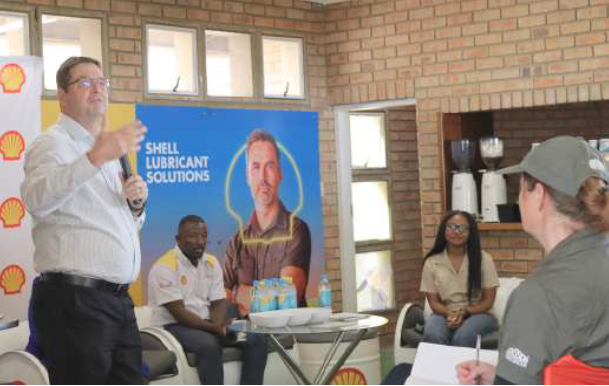
The panel discussion was marked by strong alignment on the need for collaborative, cross-sector action. Each speaker, from their respective domain, recognised that no single actor can achieve the scale of transformation required. The session reflected a collective understanding that systems thinking, investment in youth, and institutional agility are prerequisites for progress.
 |
 |
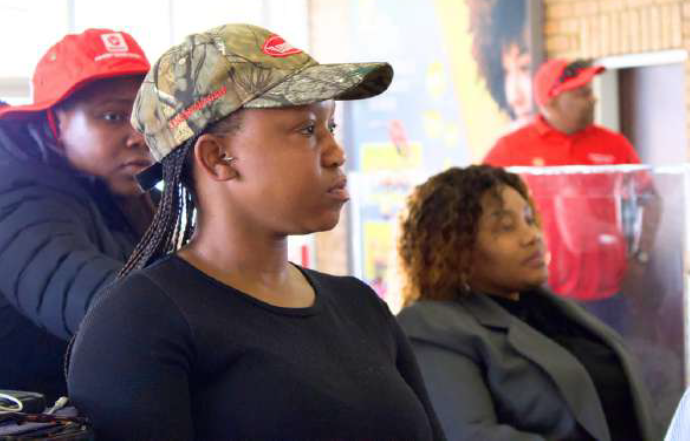 |
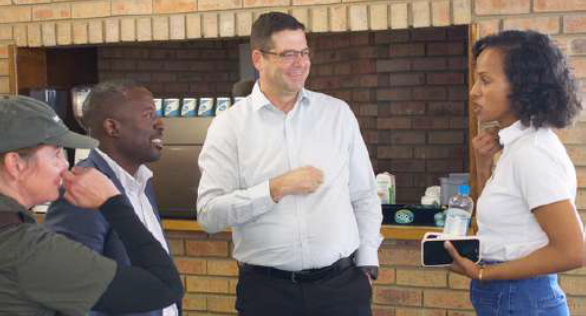
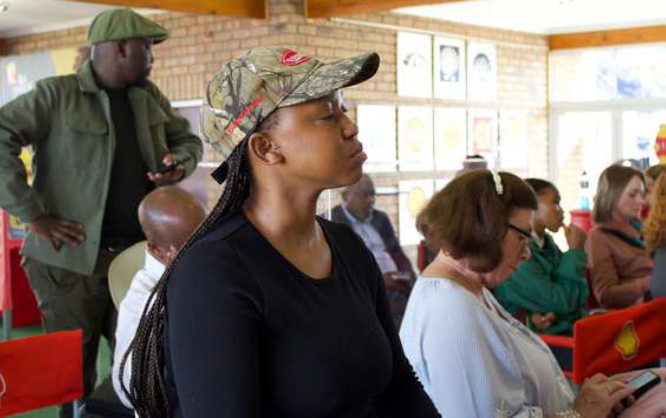
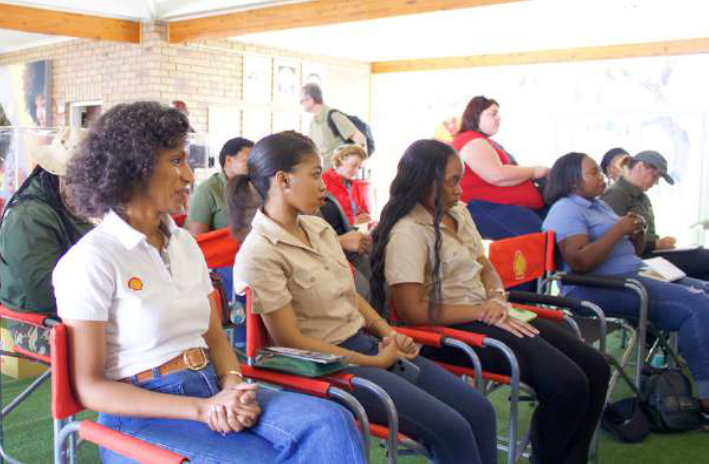
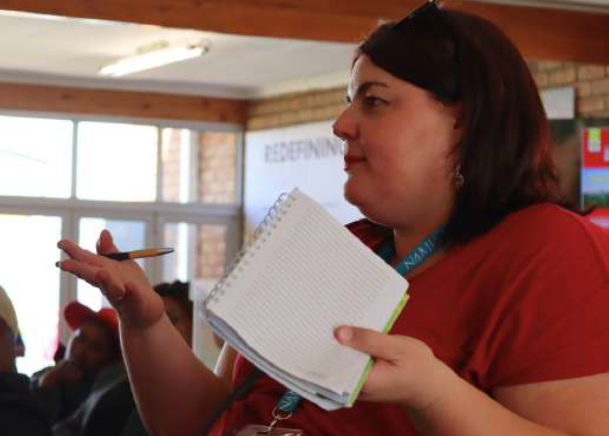
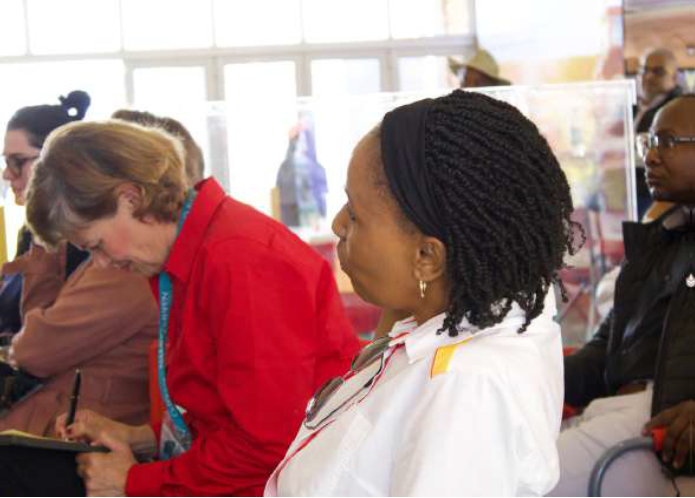
Audience members contributed meaningful questions regarding the mechanics of agri-industrialisation, funding models for youth-led agribusinesses, and the role of regional policy alignment in unlocking scale. The level of engagement underscored the urgency of the conversation and the appetite for actionable partnerships.
 |
 |
Food for Thought….
The panel at NAMPO 2025 underscored the urgency to act decisively and collaboratively in reconfiguring agriculture as a pillar of inclusive growth. The discussion yielded a set of key considerations for stakeholders across the value chain:
 |
 |
- Future-proofing must start today: The demographic and environmental shifts anticipated by 2050 are already shaping the present. Strategic foresight must be translated into institutional planning and investment.
- Agri-industrialisation is essential: South Africa must move beyond subsistence and primary production toward value-adding, scalable models of agriprocessing, logistics, and export readiness.
- Redefining agricultural leadership: The sector must embrace a new generation of farmers, researchers, and policymakers, diverse in age, background, and approach.
- Data and infrastructure are catalysts: Digital platforms and integrated infrastructure are not peripheral but central to the future of farming. Governments and businesses must invest accordingly.
- Collaboration is a competitive advantage: The speed and scale of change demand unprecedented cooperation across sectors. Sustainable impact will come from networks, not silos.
 |
 |
Shell South Africa is grateful to all panellists and participants who contributed to this important exchange. The company remains committed to advancing shared value through integrated energy and agricultural strategies that support a thriving and equitable South Africa.
Related Posts