Bulldoze your way to improved pastures

bulldoze
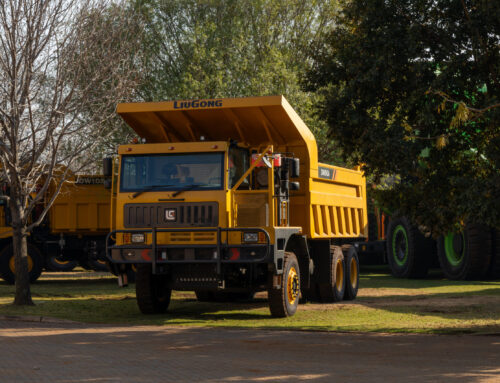
If someone told a farmer that he does not need irrigation, additional seed or fertiliser to improve the quality of his pastures, but rather a bulldozer, most people will lose all faith in his credibility. In fact, bulldozing a pasture is the exact opposite of what you should logically do to improve pasture growth. However, some farmers in Namibia have found this method to be extremely effective.
During 2020 ProAgri BNZ featured a series of articles on the methods that Namibian farmers can employ to improve their rangeland. Namibia will be severely affected by climate change and the Namibian livestock industry is in decline due to large-scale loss of palatable perennial grasses and widely spread bush encroachment.
To counter this trend, the Department of Agriculture, Water and Forestry (MAWF), together with industry partners such as the Namibian Farmers’ Union, initiated and developed an innovative rangeland policy that can add N$4 billion per year to the GDP if fully implemented. These proposed methods to rebuild Namibia’s rangeland differ greatly from one area to the next, as each region has a unique set of circumstances and challenges. Therefore, each article in the series examined a different approach that could be applied if the circumstances permitted it.
One farmer that took these regenerative practices to heart was Koos Briedenhann from the farm Buffelhoek in the Otjiwarongo region of Namibia. Koos had a serious problem with bush encroachment on his farm. He found that bulldozing the bush is not only regenerating his pastures but is also profitable.

Koos explains how it works. “We use a bulldozer and heavy rollers to flatten the bush. The larger pieces of wood are then chopped into smaller pieces and burned in a kiln to make charcoal. The charcoal is sold to recover the operating cost of the bulldozer. The smaller twigs and leaves are left on the ground surface to protect new growth from overgrazing. It also helps to prevent moisture loss through evaporation and releases natural carbon into the soil as it deteriorates over time. The seeds from previous seasons that lay dormant in the soil can germinate with the first rainfall of the season.”

Once this initial natural rangeland growth is stimulated, it is up to the farmer to ensure that he regularly rotates the animals feeding in the camps to prevent overgrazing. The results are that a farmer can regenerate the natural rangeland on his farm, without having to plant or irrigate, or apply fertiliser.

To learn more about this method of regenerating natural rangeland, contact Koos Briendenhann on +264(0)81-297-7607 or send an e-mail to koosbrnn@gmail.com.

Related Posts