Fish farming provides a future

20210622_102909
Exciting benefits can be reeled in by fish farmers in Zambia. Fish farming involves the commercial breeding of fish for food in fish tanks or artificial enclosures such as fish ponds. It is a particular type of aquaculture, which is the controlled cultivation and harvesting of aquatic animals. It is also been the fastest growing industry in the world over the last two decades.
With an increase in the human population, there is a greater demand for
protein and fish products. Fish farming helps us to bridge this increase in demand for fish and simultaneously prevent the over-harvesting of fish in
the sea. Moreover, fish farming has also become an opportunity for job
creation which in turn stimulates the local economy.
As the economy improves, several income classes have access to a more
affordable and sustainable protein source. The increased trade in farmed
fish has the potential to contribute to the gross domestic product (GDP) of
the country. In the past five years, Zambia has seen a rapid increase in
fish farming activities. The country is ranked third in Africa on tilapia production, and fish contributes two percent of the country’s GDP.
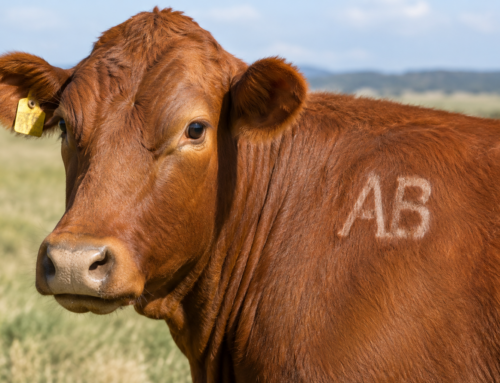
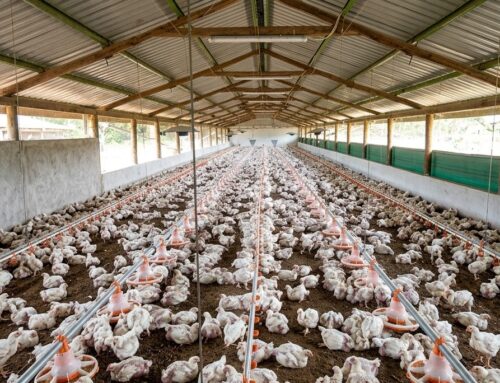
Fish farming is also the most effective way of converting feed into food.

This ratio is called the feed conversion ratio (FCR), and compared to other
animals raised for human consumption, fish use less feed to grow. This means that fish farming is also an environmentally friendly source of protein for human consumption.
| Farming Method | Feed Conversion Ratio (FCR) |
| Cattle | 8 |
| Pork | 3.9 |
| Chicken | 1.9 |
| Fish | 1.3 |
In the table above, the fish has an FCR of 1,3. This indicates that a fish farmer only needs 1,3 kg of feed to produce 1 kg of fish. Therefore, a farmer will potentially spend less on feed when raising fish than chicken (1,9), pork
(3,9) or cattle (8). Although there are many advantages to fish farming, there are still several challenges facing the fish industry in Zambia. For example, in the Siavonga district, there is currently a shortage of quality fish seed and fingerlings.
The larger aquaculture companies in that area will thus not be able to stock
enough fingerlings during the onset of the summer season.
Moreover, since cultivating fish in a controlled environment is new to Zambia, the lack of knowledge on best practices is noticeable. Small-scale farmers struggle the most as they find it difficult to monitor their fish ponds
on a regular basis. Input costs can also be relatively high, and it can be challenging for a farmer to come up with a huge amount of money for extensive pond liners, borehole drilling, and pond construction, or to acquire tanks and equipment for a recirculating aquaculture system (RAS).
It is particularly important to ensure that the water quality is suitable for
fish farming and livability. If the water quality is not managed, it may lead to reduced growth and performance, as well as diseases and fish mortalities. Even though there are some challenges to fish farming, the advantages are numerous. When done correctly, it can be a highly successful business, and it will have a positive impact on the local community and the development of agriculture in the country.
At Novatek we strive to assist farmers in establishing themselves
in this industry by providing good quality feed and the information
needed by farmers. For more information, contact Robert Kanyembo
at 097 125 2522 or salesmanager@novatek.co.zm.
Related Posts